


123123123
 123123123
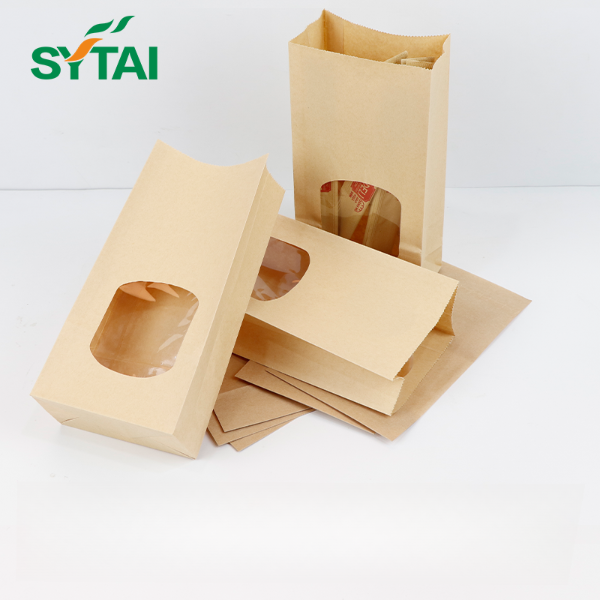
This guide skips the abstract theory and focuses instead on the real-world challenges faced by retail outlets. At Sytai, we specialize in food packaging, and paper bags are consistently the most frequently inquired-about item in our comprehensive product range. The criteria outlined below are derived from our extensive experience in providing price quotes and developing product samples.
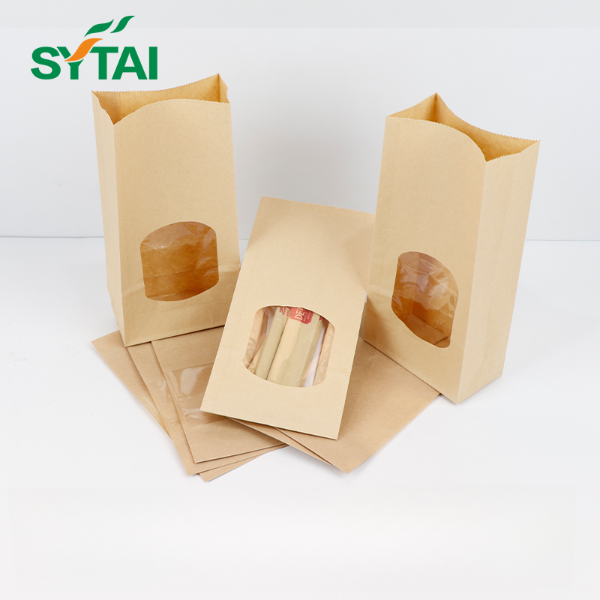
The rule of thumb is simple: custom printing only becomes cost-effective if a single location has stable monthly consumption or if the business operates more than three outlets. For new brands or those in a testing phase, it is far more cost-efficient to use standard, off-the-shelf bags paired with custom stickers or seals; this allows you to validate your operational workflow before committing to a custom order.
When it comes to design, there are three common pitfalls: using large areas of dark ink near the bag’s folded top edge (which can lead to ink flaking off during the forming process); incorporating fine lines or small text that may become blurred or "filled in" due to the nature of flexographic printing; and high-saturation colors that, when overprinted, may deviate significantly from what appeared on-screen. A professional production process should always include a digital proof followed by a physical press proof—only after both are approved should mass production begin.
The true value of a paper bag featuring a brand’s logo lies not inside the store, but during the minutes a customer spends carrying it through the streets—it serves as one of the few forms of takeout packaging that offers sustained, ongoing brand exposure.
The true value of one-stop procurement lies not merely in reducing the number of vendor accounts, but in ensuring consistent specifications. Once the outer dimensions of a meal box are set, the required size of the paper bag can be precisely calculated; similarly, the height of a cup or bowl dictates the exact side-gusset dimensions needed for its corresponding carrier bag. Furthermore, compliance documentation for an entire order can be filed together, eliminating the need to re-collect these records during every factory audit.
By standardizing specifications across the entire range—from paper takeout bags to biodegradable cups and bowls—businesses can avoid the common issue of receiving inconsistent supplies (e.g., "this batch of bags is different from the last"). For procurement teams, this translates to lower communication costs and a reduced risk of product mismatches; for store operations, it saves the time otherwise spent on repeated inspections.
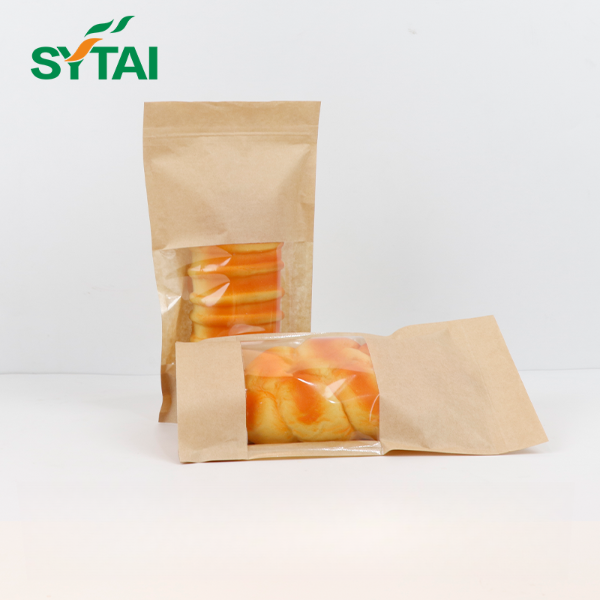
If you are selecting bags for specific items—such as *malatang* (spicy hot pot) with broth, fried chicken that tends to lose its crispiness, or desserts requiring a cold chain—please leave details regarding your food container dimensions, daily order volume per store, and your local market in the comments section. Sytai will then provide a tailored packaging configuration based on your specific operational workflow.
Fast Food Paper Bag Guide: Packaging Solutions
2026-10-19
123123123
How to choose paper bags for fast food?
Decisions regarding the procurement of fast-food packaging rarely begin with a simple desire to "switch suppliers." Instead, they are often triggered by a specific, disastrous incident—perhaps a fully loaded bag’s bottom gives way right at the storefront, prompting a customer to snap a photo and post it on social media; or maybe an order of fries arrives soggy, leading to a negative review claiming they taste "like they’ve been sitting out for two hours." While such issues can later be traced back to specific technical specifications, the procurement officer—staring at a quote that merely reads "medium-sized kraft paper bag"—has no way to discern the differences.
This guide skips the abstract theory and focuses instead on the real-world challenges faced by retail outlets. At Sytai, we specialize in food packaging, and paper bags are consistently the most frequently inquired-about item in our comprehensive product range. The criteria outlined below are derived from our extensive experience in providing price quotes and developing product samples.
Four Main Types of Materials Used for Fast-Food Paper Bags
| Material type | Key characteristics | Best for | Trade-offs to accept |
|---|---|---|---|
| Unbleached kraft paper | Long fibers, high tear resistance, repulpable | Bread, burgers, dry snacks | Not grease-resistant; requires a coating for oily items |
| White card / art paper | High stiffness, excellent print fidelity | Brand-image bags, gift-set pairings | Higher cost; lower folding endurance than kraft |
| PE-coated paper (polyethylene lamination) | Strongest grease and water barrier | Soup-and-noodle separates, sauce-heavy items | Paper-plastic composite; harder to recycle |
| Water-based / PLA-coated paper | Grease-resistant and repulpable or compostable | Fried items and bakery goods with short-to-medium contact | More sensitive to cost and process windows |
When selecting materials, the process should be as follows: first, determine the oil and moisture content of the items being packaged; next, consider the waste disposal capabilities at your store locations; and finally, evaluate the printing quality.
If you approach this in reverse, you risk a scenario where your packaging looks beautiful, yet within two weeks, you are flooded with customer complaints.
If you approach this in reverse, you risk a scenario where your packaging looks beautiful, yet within two weeks, you are flooded with customer complaints.
Custom Printing and Brand Exposure: When Is It Worth It?
The economics of custom printing essentially boil down to the amortization of plate-making costs. A lower minimum order quantity (MOQ) means a higher per-unit share of the costs for plate-making and machine setup—which is precisely why many businesses are deterred by the price quotes they receive when first considering custom-printed paper takeout bags.
The rule of thumb is simple: custom printing only becomes cost-effective if a single location has stable monthly consumption or if the business operates more than three outlets. For new brands or those in a testing phase, it is far more cost-efficient to use standard, off-the-shelf bags paired with custom stickers or seals; this allows you to validate your operational workflow before committing to a custom order.
When it comes to design, there are three common pitfalls: using large areas of dark ink near the bag’s folded top edge (which can lead to ink flaking off during the forming process); incorporating fine lines or small text that may become blurred or "filled in" due to the nature of flexographic printing; and high-saturation colors that, when overprinted, may deviate significantly from what appeared on-screen. A professional production process should always include a digital proof followed by a physical press proof—only after both are approved should mass production begin.
The true value of a paper bag featuring a brand’s logo lies not inside the store, but during the minutes a customer spends carrying it through the streets—it serves as one of the few forms of takeout packaging that offers sustained, ongoing brand exposure.
How is Sytai’s one-stop solution implemented?
Sytai specializes in food packaging containers, with a product line that includes biodegradable paper cups and bowls, food-grade containers, and eco-friendly meal boxes and trays. Paper bags serve as an essential, closely integrated component alongside these meal boxes.
The true value of one-stop procurement lies not merely in reducing the number of vendor accounts, but in ensuring consistent specifications. Once the outer dimensions of a meal box are set, the required size of the paper bag can be precisely calculated; similarly, the height of a cup or bowl dictates the exact side-gusset dimensions needed for its corresponding carrier bag. Furthermore, compliance documentation for an entire order can be filed together, eliminating the need to re-collect these records during every factory audit.
By standardizing specifications across the entire range—from paper takeout bags to biodegradable cups and bowls—businesses can avoid the common issue of receiving inconsistent supplies (e.g., "this batch of bags is different from the last"). For procurement teams, this translates to lower communication costs and a reduced risk of product mismatches; for store operations, it saves the time otherwise spent on repeated inspections.
If you are selecting bags for specific items—such as *malatang* (spicy hot pot) with broth, fried chicken that tends to lose its crispiness, or desserts requiring a cold chain—please leave details regarding your food container dimensions, daily order volume per store, and your local market in the comments section. Sytai will then provide a tailored packaging configuration based on your specific operational workflow.
Industry News - October 13, 2026
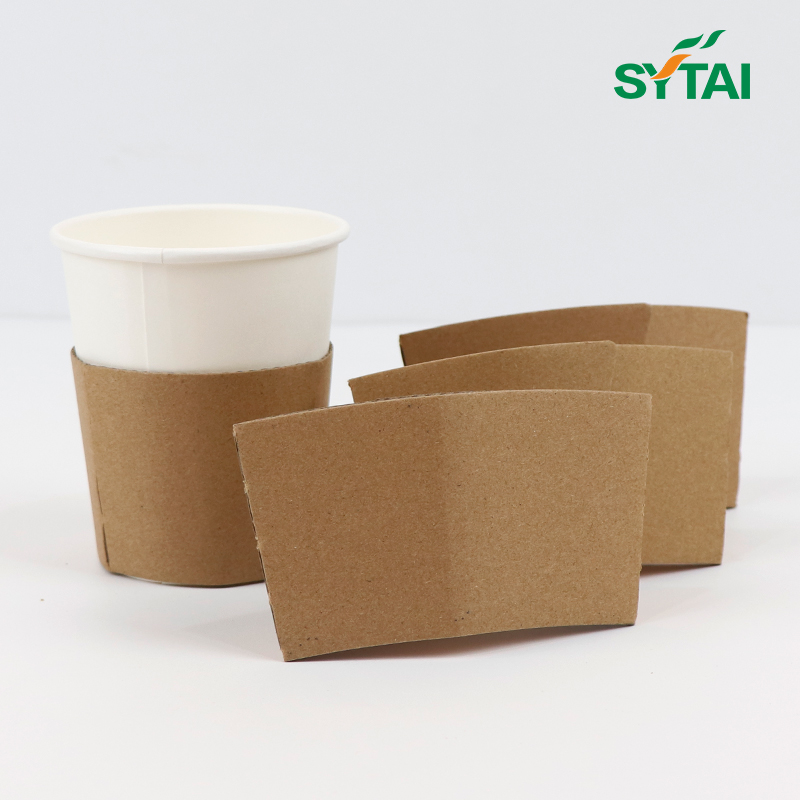
What is a paper cup sleeve? What is a cup sleeve used for?
What is a paper cup sleeve? A B2B purchasing guide covering materials, selection, and usage scenarios.We invite interested buyers to explore our latest product information; we are confident we can provide you with the best solutions.
Industry News - October 06, 2026
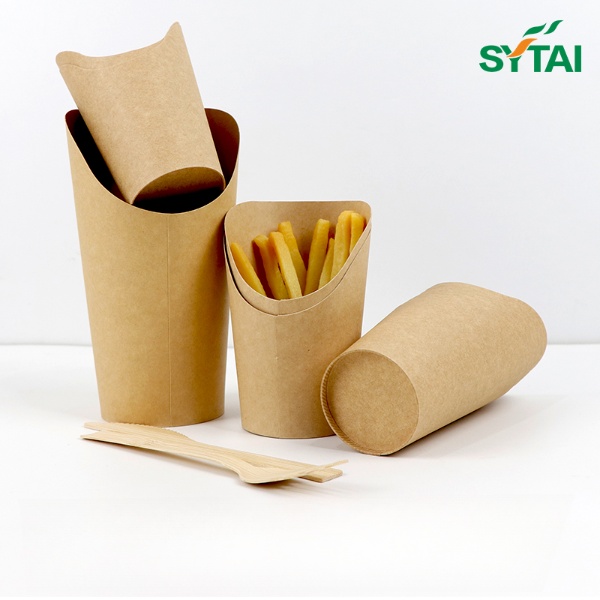
How to Choose a Takeaway Noodle Box
A comprehensive guide to materials, sizes, and purchasing—covering everything from material types and dimensions to custom printing and supplier evaluation.
Industry News - September 28, 2026
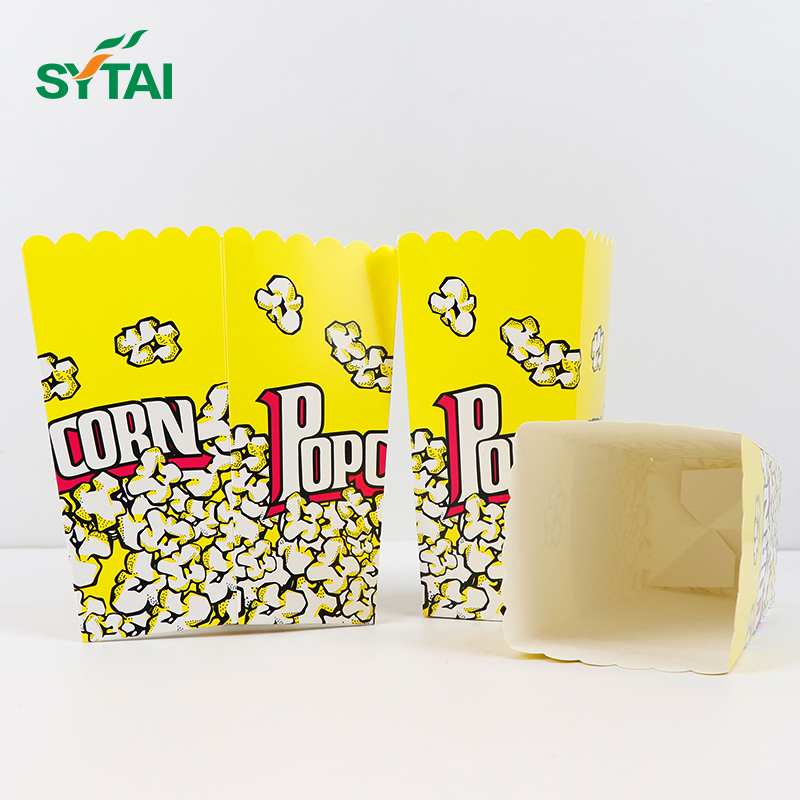
Custom Popcorn Buckets: A Guide to Choosing Packaging
From materials, dimensions, and printing to supplier selection, we help you fully clarify the procurement process for custom popcorn buckets.