


123123123
 123123123


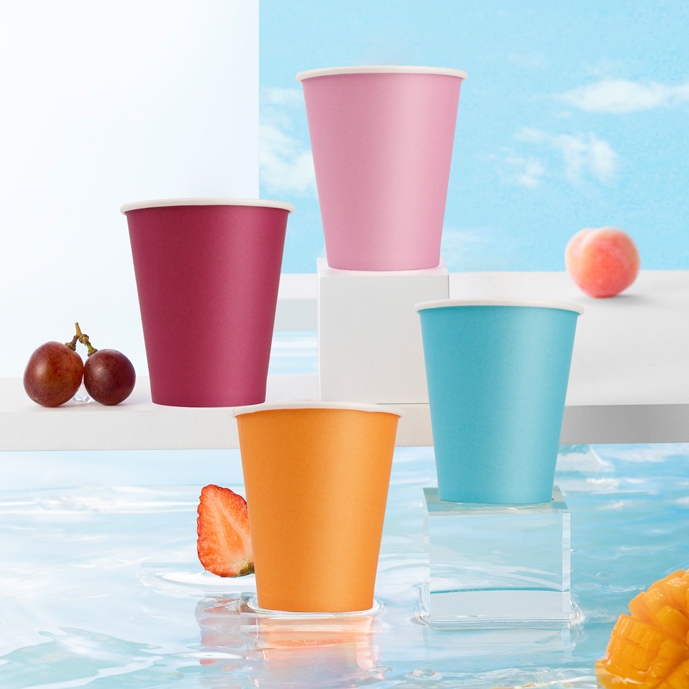
What is the difference between hot paper cups and cold paper cups?
2026-06-05
123123123
Hot vs. Cold Drink Paper Cups: Key Knowledge for B2B Buyers
Selecting the right paper cup is crucial, yet its importance is often underestimated. This FAQ guide provides a comprehensive overview.
In the global disposable tableware market, paper cups are not "one-size-fits-all" products—a fact often overlooked by many B2B buyers and foodservice providers. Choosing the wrong type of cup can lead to product failure, customer complaints, and even food safety risks.
With the surge in market demand—particularly for sustainable and branded packaging solutions—it is essential for business buyers to understand the fundamental differences between hot and cold drink paper cups.
With the surge in market demand—particularly for sustainable and branded packaging solutions—it is essential for business buyers to understand the fundamental differences between hot and cold drink paper cups.
This FAQ guide addresses the questions most frequently asked by procurement professionals when sourcing solutions for cold and hot drink paper cups.
We also invite interested buyers to visit our platform to learn more about paper cups and discover high-quality manufacturers.
We also invite interested buyers to visit our platform to learn more about paper cups and discover high-quality manufacturers.
1: What is the fundamental difference between hot and cold drink paper cups?
The core difference lies in the coating material and manufacturing process, not just the appearance. Paper cups are primarily made of food-grade paperboard with a barrier coating to prevent liquid leakage. Hot drink cups feature a special polyethylene (PE) film coating on the inner wall that is heat-resistant, non-toxic, and stable at high temperatures. In contrast, cold drink cups typically use a wax-based coating or a double-sided PE coating designed to withstand condensation and prevent moisture damage.
Think of it this way: hot drink cups require thermal insulation and structural stability at high temperatures, whereas cold drink cups require moisture resistance and condensation control.
2: Can cold drink cups be used for hot drinks? What are the consequences?
No—this is a critical safety issue for businesses. If you pour hot water or coffee into a cold drink cup, the wax-based coating or lower-grade moisture barrier may melt or break down, causing harmful substances to leach into the beverage. Long-term or repeated consumption of liquids from cups used in this improper manner may pose health risks. Furthermore, cold-drink paper cups lack the necessary heat resistance and rigidity to withstand temperatures exceeding 60°C; if used for hot beverages, the cup body may deform, soften, or even leak, posing a risk of scalding.
For B2B purchasers: Ensuring that employees and customers match the correct paper cup to the beverage type is not merely a matter of product quality—it also involves potential legal liability.
3: What happens if a hot-drink paper cup is used for a cold beverage?
Although the risks are lower than in the reverse scenario, using a hot-drink paper cup for cold beverages is still not recommended from a performance standpoint. Hot-drink cups typically feature thicker walls with a single-layer polyethylene (PE) coating on the inside only, leaving the exterior uncoated. When holding cold drinks, condensation forms on the outside, gradually soaking and softening the cup body, which reduces rigidity and can lead to deformation. This often results in a soggy cup that looks cheap and unprofessional, potentially leading to customer dissatisfaction.
4: How do these two types of cups differ in terms of material and thickness?
Technical specifications are crucial when making purchasing decisions. Hot-drink cups utilize thicker, more rigid paperboard (typically ranging from 210 GSM to 320 GSM) to ensure structural integrity at high temperatures. High-quality hot-drink cups often feature a double-layer PE coating for enhanced leak resistance; premium options may also offer corrugated (ripple-wall) or double-walled insulated designs.
In contrast, cold-drink cups prioritize moisture resistance. Most cold-drink cups feature double-sided polyethylene (PE) coating, creating a moisture barrier on both the interior and exterior walls; this prevents condensation from soaking the cup and effectively blocks beverage leakage. For environmentally conscious purchasers, cups with PLA (polylactic acid) or water-based coatings offer biodegradable alternatives that align with global plastic-reduction policies.
5: In what scenarios are these two types of cups used?
Paper cups for hot beverages are specifically designed to hold drinks at temperatures ranging from 60°C to 100°C, such as coffee, black tea, hot chocolate, hot milk, and soup. They are essential supplies for cafés, tea shops, fast-food chains, office pantries, and food delivery services. Paper cups for cold beverages (disposable cold cups) are designed for a temperature range of 0°C to 10°C and are suitable for carbonated drinks, iced coffee, iced tea, chilled juice, smoothies, frozen yogurt, and ice cream. They are widely used in juice bars, smoothie shops, fast-food outlets, convenience stores, and at various catering events.
New - June 09, 2026
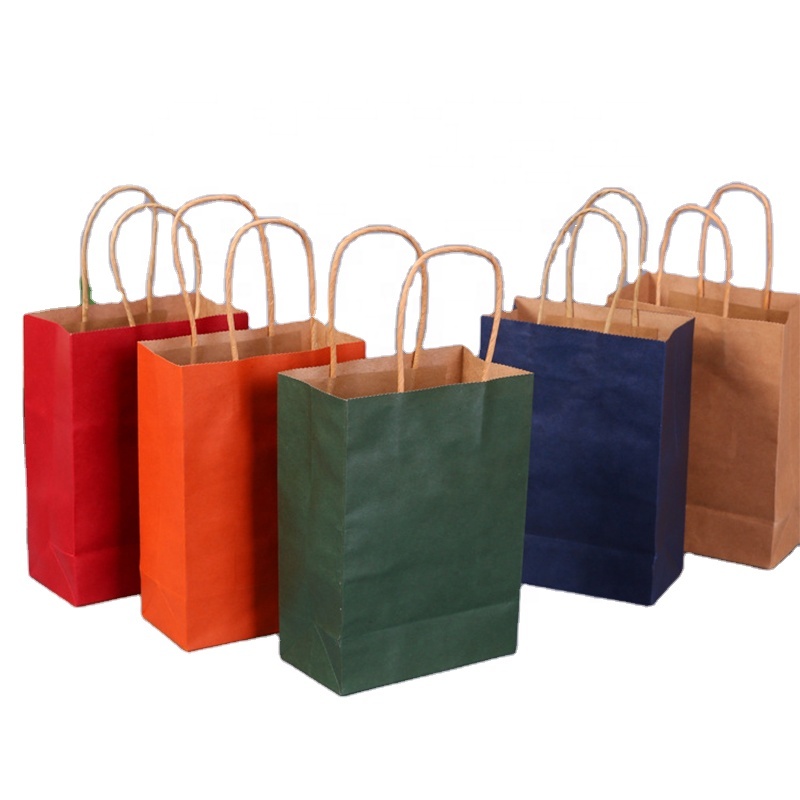
What is a paper bag with handles called?Guide to Paper Bag Handle Types
Paper bags have evolved beyond mere vessels for carrying purchases; they now serve as a tangible reflection of brand identity and a commitment to sustainability. Are you seeking a packaging solution that is durable enough for daily use while also elevating your brand's premium appeal?

New - June 03, 2026
What Are Compostable Paper Bags?food paper bags be composted?
Wondering if food paper bags can be fully composted? Explore how high-performance paper bags for food packaging meet B2B compliance. Certified sustainable & durable.
New - June 01, 2026
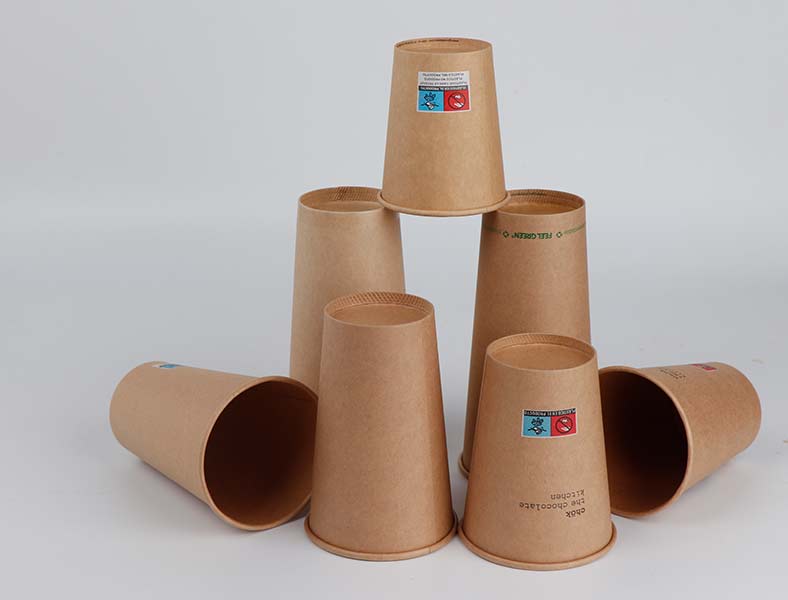
What is a single wall paper cup?What does a single walled cup do?
Curious about what a single-wall paper cup is? Sytai provides the answers—explaining the uses, advantages, and ideal applications of single-wall cups. This guide is a must-read for B2B procurement professionals and those working in the food and beverage packaging industry.