


123123123
 123123123
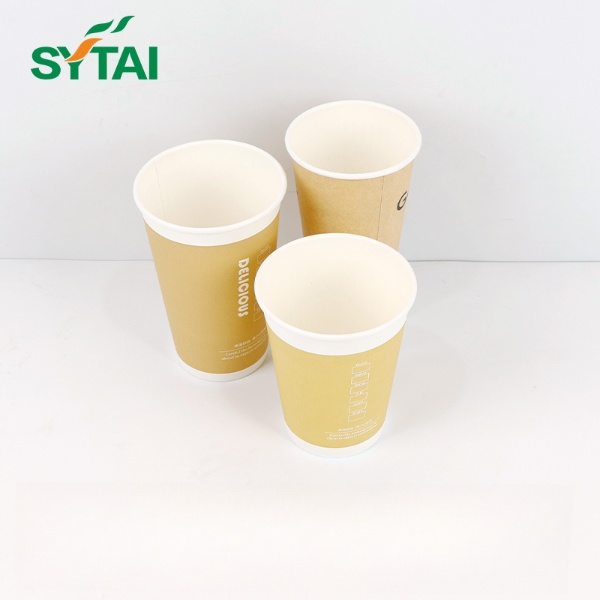
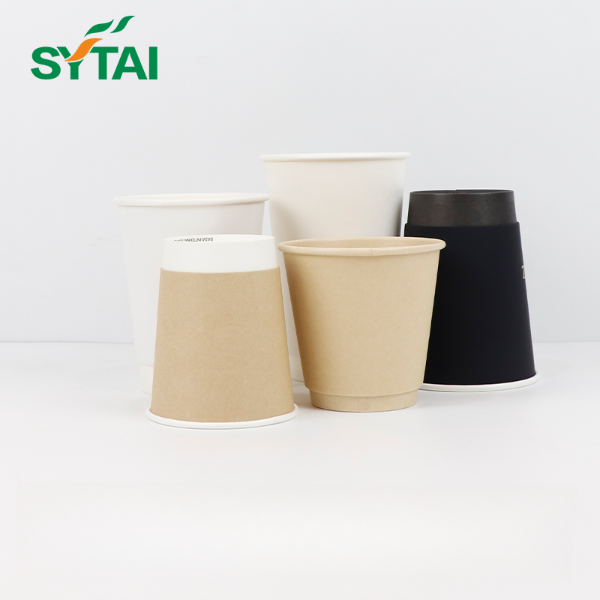

What is the difference between single wall and double wall cups?
2026-09-14
123123123
Single wall paper cups consist of a single layer of food-grade paperboard—typically 180–210 gsm—allowing heat to transfer directly to the exterior; when filled with an 85°C beverage, the outer surface temperature can reach 50–65°C, making them nearly impossible to hold with bare hands.
Double wall paper cups, however, feature an additional layer of paperboard over the inner wall, creating a 2–4mm insulating air gap—much like a down jacket for the cup. With the same 85°C beverage, the outer surface temperature remains a manageable 40–50°C, allowing for comfortable direct handling. Yet, many buyers focus solely on unit price, overlooking the costs of cup sleeves and labor, as well as supply chain complexities.
Hot beverages in single wall cups require sleeves; when the cost of the sleeve and the labor time required to apply it are factored in, the true total cost is not necessarily lower than that of double-wall cups.
This article covers everything from structural differences, product variations, and cost analysis to usage scenarios and supplier selection, helping you fully understand the distinctions between single-wall and double-wall hot cups so you can find the best solution for your business. If you are currently evaluating options, feel free to share your practical experiences in the comments section.
Double wall paper cups, however, feature an additional layer of paperboard over the inner wall, creating a 2–4mm insulating air gap—much like a down jacket for the cup. With the same 85°C beverage, the outer surface temperature remains a manageable 40–50°C, allowing for comfortable direct handling. Yet, many buyers focus solely on unit price, overlooking the costs of cup sleeves and labor, as well as supply chain complexities.
Hot beverages in single wall cups require sleeves; when the cost of the sleeve and the labor time required to apply it are factored in, the true total cost is not necessarily lower than that of double-wall cups.
This article covers everything from structural differences, product variations, and cost analysis to usage scenarios and supplier selection, helping you fully understand the distinctions between single-wall and double-wall hot cups so you can find the best solution for your business. If you are currently evaluating options, feel free to share your practical experiences in the comments section.
Single Wall Paper Cups
The key difference: It’s not just about thickness when comparing single-ply and two-ply paper.
Single wall paper cups feature the simplest construction: a single layer of food-grade paperboard with an inner lining of PE or PLA that comes into direct contact with the beverage.
Their advantages include low cost, a smooth printing surface, and high stacking efficiency; they are suitable for cold drinks and hot beverages intended for quick consumption. However, they offer poor thermal insulation, requiring a sleeve when holding hot drinks—otherwise, the cup would be too hot to handle.
Their advantages include low cost, a smooth printing surface, and high stacking efficiency; they are suitable for cold drinks and hot beverages intended for quick consumption. However, they offer poor thermal insulation, requiring a sleeve when holding hot drinks—otherwise, the cup would be too hot to handle.
Double wall paper cups, on the other hand, feature an additional layer of paperboard wrapped around the inner layer, creating a 2–4mm air gap between the two.
Do not underestimate this layer of air; air is an excellent thermal insulator, significantly reducing the heat that reaches the outer wall. When holding an 85°C beverage, the outer surface of a single-wall cup reaches approximately 50–65°C, whereas a double-wall cup stays at just 40–50°C, resulting in a completely different tactile experience.
Do not underestimate this layer of air; air is an excellent thermal insulator, significantly reducing the heat that reaches the outer wall. When holding an 85°C beverage, the outer surface of a single-wall cup reaches approximately 50–65°C, whereas a double-wall cup stays at just 40–50°C, resulting in a completely different tactile experience.
Double Wall Paper Cups
Sub-categorization: Both single-layer and double-layer types have their own "branches."
Single-wall paper cups come in various types. Based on usage, they are categorized into single-wall hot cups and single-wall cold cups.
Hot cups typically feature heavier paper stock and heat-resistant coatings, whereas cold cups are designed to resist condensation and have thinner walls. They range in size from 4oz to 24oz and are commonly found in coffee shops, offices, and at events.
Hot cups typically feature heavier paper stock and heat-resistant coatings, whereas cold cups are designed to resist condensation and have thinner walls. They range in size from 4oz to 24oz and are commonly found in coffee shops, offices, and at events.
Double wall paper cups also have sub-categories: standard double-wall cups, ripple wall paper cup, and triple-wall cups.
Standard double-wall cups have a smooth outer surface suitable for printing logos and branding; corrugated cups offer superior thermal insulation but have printing limitations;
Triple-wall cups are used for extremely hot beverages or specialized applications and come at the highest cost. For most B2B buyers, the standard double-wall paper cup meets 90% of hot beverage requirements.
Standard double-wall cups have a smooth outer surface suitable for printing logos and branding; corrugated cups offer superior thermal insulation but have printing limitations;
Triple-wall cups are used for extremely hot beverages or specialized applications and come at the highest cost. For most B2B buyers, the standard double-wall paper cup meets 90% of hot beverage requirements.
How do you choose? Consider the menu, the setting, and the brand positioning.
If your menu focuses on iced drinks, cold brew, and juices—with hot beverages making up less than 30% of sales—single-wall paper cups are the more economical choice. This is especially suitable for stores where most customers dine in and consume their drinks quickly, meaning there is little need for thermal insulation.
However, if your core products are items like freshly ground hot coffee or hot lattes—drinks customers take away to sip slowly—and your peak sales occur during the morning commute, double-wall paper cups are practically essential. They allow customers to hold the cup comfortably the moment they receive it from the counter, eliminating the need to wait for or search for a separate sleeve, thereby maximizing the customer experience.
However, if your core products are items like freshly ground hot coffee or hot lattes—drinks customers take away to sip slowly—and your peak sales occur during the morning commute, double-wall paper cups are practically essential. They allow customers to hold the cup comfortably the moment they receive it from the counter, eliminating the need to wait for or search for a separate sleeve, thereby maximizing the customer experience.
Here is another practical strategy: stock a mix of both. Use single-wall cups for smaller sizes (under 8 oz) and double-wall cups for larger sizes (12 oz and up). Small cups are usually finished in just a few sips, whereas large cups are held for longer periods, making thermal insulation more critical. Many successful coffee shops adopt this approach.

Ripple Wall Paper Cup
There is no absolute right or wrong choice between single-wall and double-wall cups—it simply comes down to suitability. Are you currently using single-wall or double-wall paper cups?
Have you ever dealt with customer complaints about cups being too hot to hold, or found the cost of cup sleeves to be too high? Feel free to share your experiences in the comments section.
Based on the feedback we receive, we will compile a "Paper Cup Supplier Selection Checklist" to help you avoid common pitfalls. If you would like a copy of the checklist, please leave a comment or send us a private message.
Have you ever dealt with customer complaints about cups being too hot to hold, or found the cost of cup sleeves to be too high? Feel free to share your experiences in the comments section.
Based on the feedback we receive, we will compile a "Paper Cup Supplier Selection Checklist" to help you avoid common pitfalls. If you would like a copy of the checklist, please leave a comment or send us a private message.

Company News - August 20, 2026
Promoting Learning Through Competition, Driving Action Through Learning — Sytai 20th Anniversary Knowledge Contest
To celebrate the 20th anniversary of Xinyatai Group and rally the collective strength of the entire workforce, the Group has coordinated with its subsidiaries to launch a knowledge quiz competition.

Company News - July 03, 2026
Embracing Nature, Prioritizing Health | A Recap of Sytai’s Exciting Two-Day Team Building Trip to Jiujiang Canyon!
On June 28–29, Sytai Technology held a team-building event themed "Going Green Together, Embracing Health" at Jiujiang Yingmei Canyon. Featuring whitewater rafting and fun competitive activities, the event significantly boosted team cohesion.
Company News - July 01, 2026
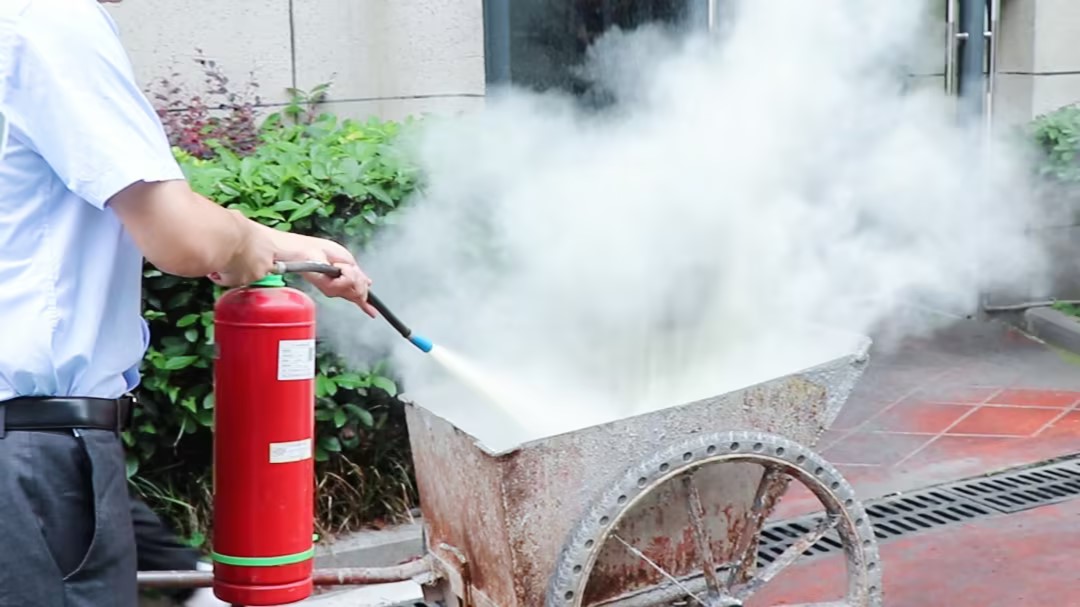
Sytai Conducts Company-wide Fire Emergency Drill: Safety Safeguards Production
To thoroughly implement the workplace safety philosophy of "everyone prioritizes safety and everyone is proficient in emergency response" and to effectively fortify the company's safety defenses, Sytai recently organized a high-standard, hands-on fire emergency drill for all employees.