Three Mega-Drivers Reshape the Industry: Technology, Policy, and Brand Collaboration Power the Paper Boom
 123123123
In 2025, the global green packaging revolution reaches a crucial turning point - paper-based materials have risen from "alternative options" to become the core sustainable packaging solution. The global market size exceeds 1.4 trillion yuan, with a year-on-year growth rate of 8.5%. Driven by the EU's PPWR regulations, China's "dual carbon" goals, and the ban on plastic and fluorine policies, technological innovation accelerates and the industrial landscape is reshaped. As an enterprise that has focused on environmental packaging consumables for many years, Xinyatai, with its mature processes and international standards, deeply aligns with industry trends and provides reliable green packaging options for global customers.
“Paper-based packaging becomes the "top choice for environmental protection"
The globally renowned paper and printing advocacy organization Two Sides released the "2025 Trend Tracking Survey", which covered over 12,000 consumers in Europe. The authoritative data shows that paper-based packaging firmly holds the top position in eco-friendly packaging. Among 15 application scenarios, it ranked first in 9 categories. 75% of the respondents recognized its compostability and degradability, 53% considered it the most environmentally friendly material, 51% believed it was the easiest to recycle, and the figures have significantly increased compared to 2021.
The irreplaceable position of paper-based packaging in the global market
global market: surpassing glass, metal, and plastic, it has become the preferred material for the three core environmental protection dimensions of home compostability, biodegradability, and recyclability. This is not only a change in consumer preferences, but also a result of the awakening of global environmental awareness, strict policies, and the maturity of industrial technology.
Three major core reforms drive the industry's upgrading
-
Technical Breakthrough
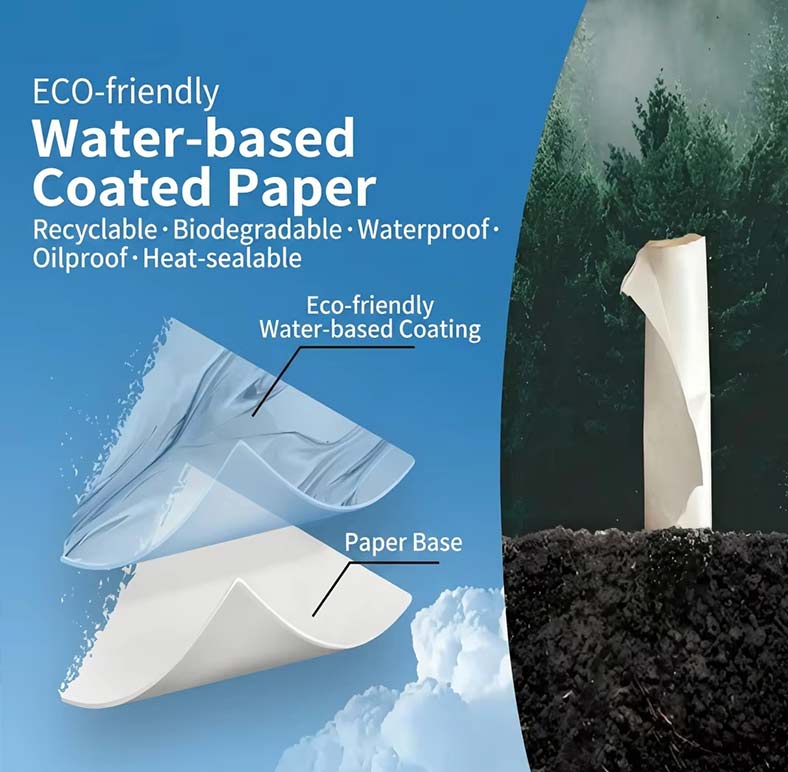
The cost of water-based barrier coatings has been optimized to the critical point. The efficiency of the biobased PHA coating has exceeded 100 meters per minute. This marks the end of the microplastic and difficult-recycling predicament associated with traditional PE coating.
-
Policy-Driven

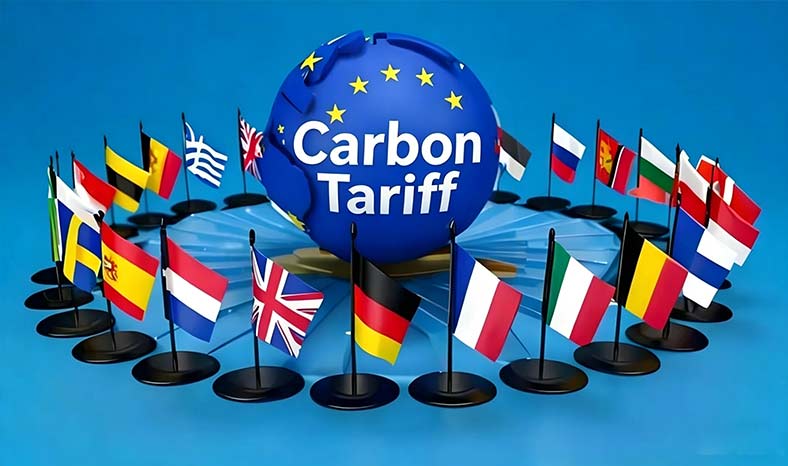
China's GB 9685-2025, the accelerated update of national standards for paperboard molding, food paper packaging "de-fluorination", the EU carbon tariff, the PPWR regulations, etc., have all pushed the entire industry chain to adapt.
-
Pattern Reconfiguration
International brands such as Starbucks and Nestlé are leading the "plastic-free, zero-plastic paper packaging" cross-border cooperation, integrating global innovation resources and adapting a single product to multiple national standards.
Long before the industry boom, Xinyatai had already established a firm foothold in the field of green and environmentally friendly food packaging containers. With 20 years of technological accumulation and meticulous process refinement, we have gained the upper hand in the industry transformation and have become a trusted long-term partner for domestic and international brands.
Material First: Fully Ecological Materials, Saying Goodbye to Traditional Pollution
The main products are water-based coating paper, PLA (polylactic acid) and sugarcane bagasse pulp, all of which are eco-friendly materials that are completely biodegradable and compostable. After use, they naturally decompose into carbon dioxide and water, without any plasticizers, fluorescent agents, or heavy metal residues.
Process Maturity: Intelligent manufacturing, Consistent quality
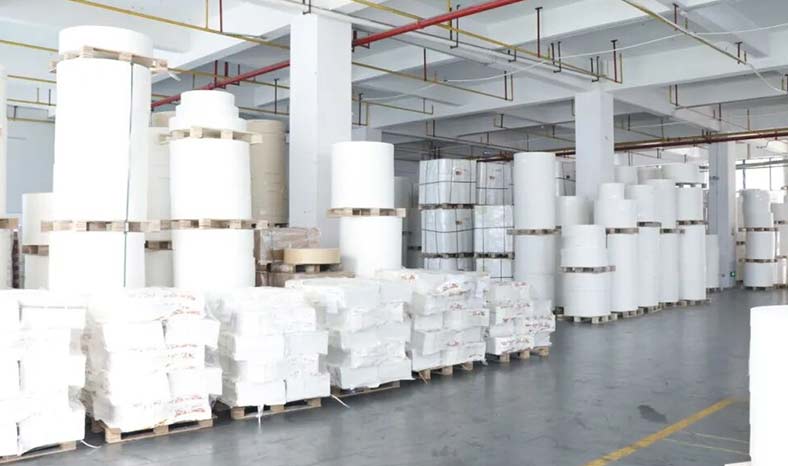
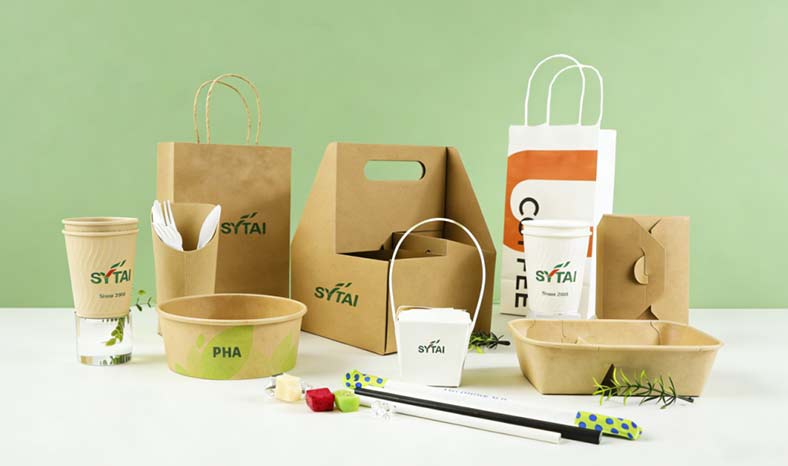
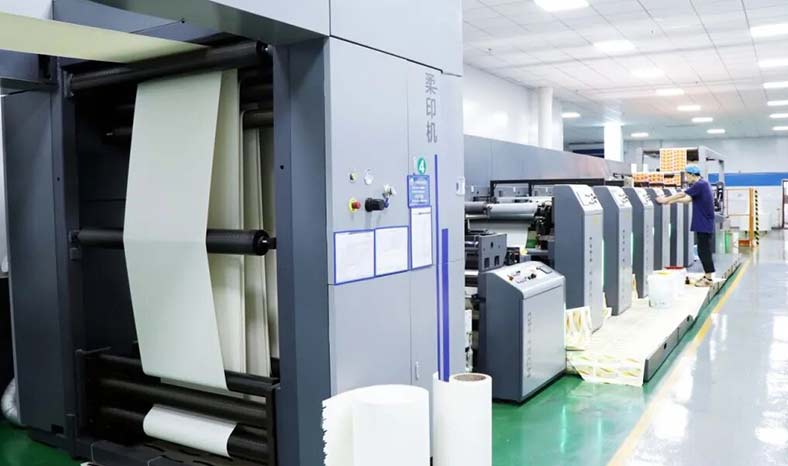
Investing millions of yuan in technological transformation and upgrading, equipped with seven-color flexographic printing machines, fully automatic lamination / die-cutting / molding equipment, a thousand-level cleanroom, and hundreds of intelligent devices to achieve full-process automation.
International Certification: Stringent Standards, Sold in Over 100 Countries Globally
The product has obtained certifications for ISO9001, ISO14001, FSC, BRCGS, etc., and complies with food contact standards such as China's GB/T 27590-2022 and the EU's EC 1935/2004. It is popular in more than 100 countries and regions including the United States, Germany, France, Australia, and South Africa.