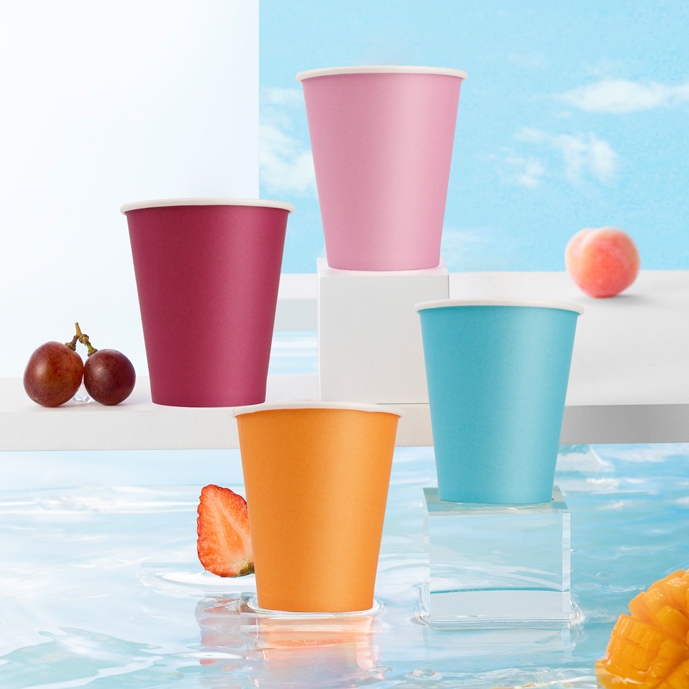
Biodegradability is the long-term solution
 123123123
The ongoing escalation in crude oil prices has driven upward pressure on plastic raw material costs and introduced volatility into their supply chain. Consequently, traditional plastic tableware manufacturers are facing intensifying cost pressures. Concurrently, national environmental protection policies are being progressively strengthened, with regulatory mandates on plastic restriction and phase-out becoming increasingly stringent. Industry-wide compliance standards—spanning material safety, degradation performance, and lifecycle assessment—are also rising steadily. Against this dual backdrop of escalating input costs and tightening regulatory requirements, the adoption of certified biodegradable tableware has evolved from a discretionary sustainability initiative into a strategic operational imperative for foodservice enterprises seeking long-term resilience and regulatory alignment.
What reliable, eco-friendly tableware options are currently available on the market?
With two decades of dedicated expertise in sustainable packaging materials, Xinyatai has developed a comprehensive portfolio of certified eco-friendly solutions.
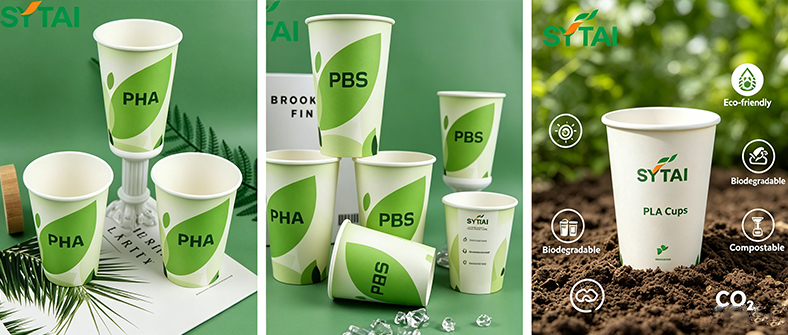
1. Biobased Degradable Series: This series features industry-leading biobased and compostable polymers—including polylactic acid (PLA), polyhydroxyalkanoates (PHA), and polybutylene succinate (PBS). PLA is derived from fermented corn starch and exhibits mechanical properties comparable to conventional petroleum-based plastics, making it well-suited for ambient-temperature food service. PBS demonstrates exceptional thermal stability, maintaining structural integrity at elevated temperatures—ideal for hot soups and meals. PHA is fully biodegradable under natural environmental conditions (e.g., soil and marine environments) and meets stringent international standards for industrial and home compostability; its broad applicability spans food delivery, dine-in, and takeaway operations—all while fully complying with China’s national environmental protection regulations and eliminating regulatory compliance risks.
2. Plant-Fiber Series: Manufactured from post-harvest agricultural residues—primarily sugarcane bagasse—this series exemplifies circular resource utilization. The material possesses inherent antimicrobial properties and a robust, dense fiber structure capable of withstanding sustained temperatures exceeding 100°C, rendering it highly suitable for serving hot dishes and soups. In addition to being non-toxic and fully biodegradable, it reinforces brand alignment with sustainability values—making it a preferred choice among premium foodservice operators committed to environmental stewardship and product quality.
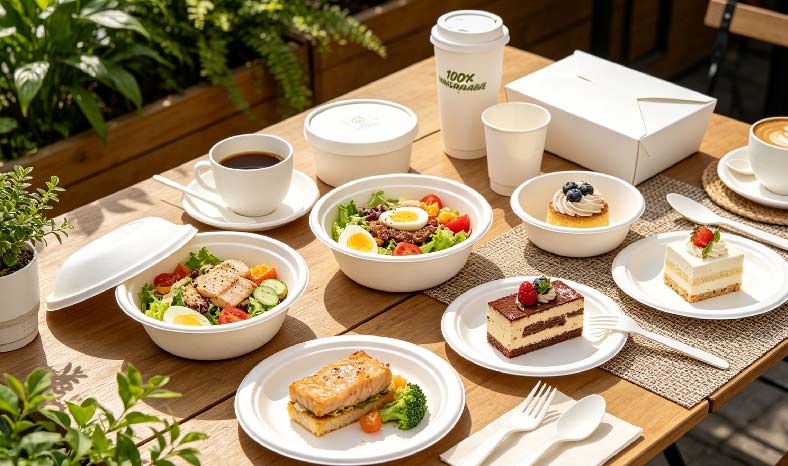
The innovative paper-based product line utilizes water-based, non-plastic barrier paper—eliminating the need for conventional non-biodegradable polymer coatings such as polyethylene (PE). This design enables full biodegradability under industrial composting conditions, while maintaining robust performance in waterproofing and oil resistance. The material is engineered for high-demand foodservice applications, including single-use paper cups, bowls, and food containers—particularly suited for frequent-consumption formats such as bubble tea and quick-service restaurant offerings.
Xinyatai has specialized in sustainable packaging solutions for over a decade, offering a comprehensive portfolio of certified eco-friendly products aligned with this paper-based series. Leveraging mature, scalable manufacturing processes and compliance with international environmental and food-contact safety standards (e.g., ISO 14001, FDA, EU 1935/2004), Xinyatai empowers foodservice operators to meet regulatory requirements efficiently while optimizing total cost of ownership—supporting their long-term commitment to sustainability.