Disposable Paper Cups: Manufacturing Process, Material Requirements, and Quality Standards
 123123123
1. Material Requirements for Disposable Paper Cups
A disposable paper cup is not just paper. It consists of a base layer and a functional coating. The quality of these materials directly affects user safety and the cup’s performance.
Base Material: Food-Grade Paperboard
-
Must comply with food contact standards (e.g., GB 4806.8 in China, FDA regulations in the U.S.).
-
Requires uniform texture, no impurities, no odor, and sufficient stiffness to maintain shape.
-
Prohibited: Recycled wastepaper directly used in paper cup manufacturing – it may introduce harmful chemical migration.
Functional Coating: Polyethylene (PE) Film
The inner lining is critical for leak resistance.
-
Must use food-grade PE, free from optical brighteners, heavy metals, or toxic additives.
-
The coating must be even, with no bubbles, scratches, or missed areas, ensuring liquid never reaches the paper layer.
Hot Cups vs. Cold Cups: A Crucial Distinction
-
Hot cups: PE coating must withstand temperatures above 100°C (212°F) without melting or releasing harmful substances.
-
Cold cups: Some traditional cold cups use a wax coating for waterproofing. However, wax begins to soften at 62°C (143°F) and may release compounds when hot liquids are poured in. Always match the disposable paper cup type to the intended beverage temperature
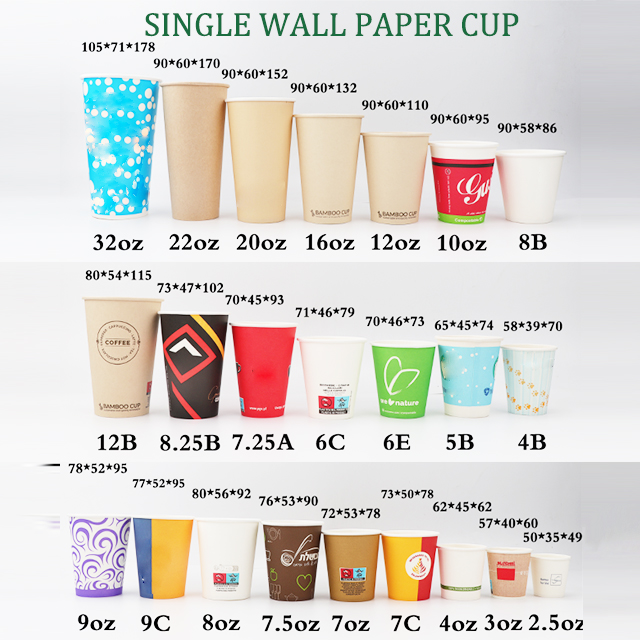
⚠️ National regulations explicitly forbid adding fluorescent brighteners to any disposable paper cup. Avoid any cup that glows blue under UV light.
2. Printing and Ink Requirements
High-quality printing is not just about appearance – it directly impacts safety and seal integrity.
-
Ink type: Flexographic water-based inks with good adhesion are preferred. They offer better resistance to light, heat, and acids/alkalis, reducing fading or peeling.
-
Safety compliance: All inks must meet food packaging hygiene standards.
-
Solvent restrictions: Solvents must not swell or dissolve the PE lining, nor cause the cup to curl.
-
Residual solvents: Keep residual solvent levels very low to prevent smudging from friction.
-
Drying temperature: Too high a temperature can oxidize the PE film surface, leading to poor heat sealing. High humidity in the workshop can also cause curling of the disposable paper cup body.
In short, the final quality of a disposable paper cup results from the interplay of printing process, paper quality, and ink suitability.
3. Paper Cup Manufacturing Process Step by Step
The paper cup manufacturing process is a standardized, automated production line. Below are the five core stages.
Step 1: Paper Printing
Food-grade inks are applied to the paperboard. After printing, the material is thoroughly dried to fully cure the ink, preventing transfer or smudging in later steps.
Step 2: Die-Cutting
The printed paper (roll or sheet) is fed into a die‑cutter, which cuts individual fan‑shaped blanks – the precise shape needed to form the cup body. Accuracy here is crucial for the final cup’s geometry.
Step 3: Cup Body Forming
Each fan‑shaped blank is wrapped into a cylinder. Heat and pressure are applied to melt the PE coating along the seam, creating a watertight bond.
-
Temperature and pressure must be carefully controlled. If too low, the seal leaks; if too high, the material deforms.
Step 4: Bottom Sealing
A separately die‑cut circular bottom disk is inserted and heat‑sealed to the cup body. After sealing, pressure tests verify that the connection is leak‑proof and will not detach under normal use.
Step 5: Inspection and Packaging
Finished cups are sampled and tested for:
-
Appearance: No deformation, scratches, or uneven coating.
-
Leakage: Fill with water and invert – no drops allowed.
-
Seal strength: Manual or mechanical pull tests.
Qualified disposable paper cups are then counted and packed in food‑grade plastic bags or sealed cartons to prevent contamination during storage and transport.
4. Performance Requirements: Heat Sealability and Penetration
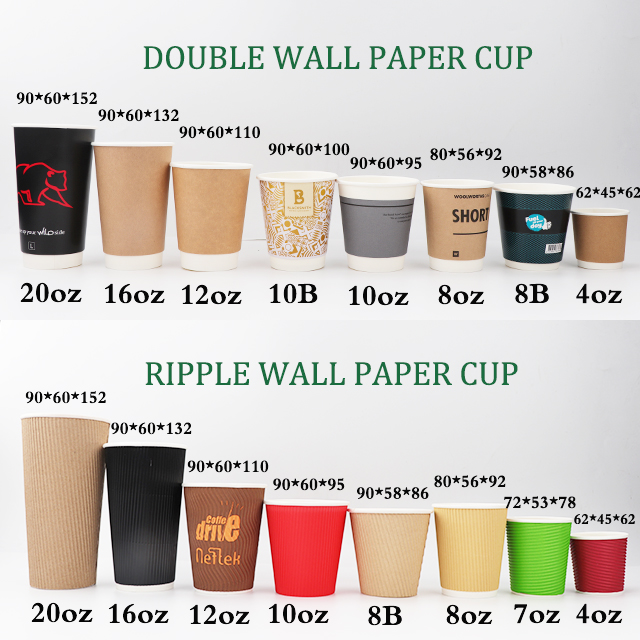
A well‑made disposable paper cup must not leak at the bottom or side seams, nor feel overly soft when held. Specific standards exist for thickness and liquid penetration.
-
The heat sealing performance depends on the PE coating’s uniformity and the forming machine’s temperature profile.
-
If printing solvents contaminate the sealing area, or if drying temperatures are mismatched, the cup may suffer from poor adhesion, edge curling, or even burst seams.
Therefore, consistent environmental conditions (temperature and humidity) and precise drying control are essential in any paper cup manufacturing facility.
5. How to Identify a Good Disposable Paper Cup: The 3-Step Method
You don’t need a lab to spot a poor‑quality disposable paper cup. Use the “Look, Smell, Feel” method.
👀 Look
-
Check the packaging for manufacturer name, address, and production date.
-
Hold the cup up to light. If you see blue fluorescence or dark specks, do not buy it – both can indicate illegal fluorescent agents or recycled impurities.
👃 Smell
-
Does the cup have a strong, pungent chemical odor? That may come from residual solvents or recycled polyethylene. A safe cup should be nearly odorless.
✋ Feel
-
Squeeze the cup gently near the rim and bottom. If it feels unusually soft or flimsy, the paperboard is either too thin or has lost stiffness – it will likely leak or collapse.
💡 Pro tip: Before first use, rinse the disposable paper cup with boiling water for a few seconds, then discard the water. This helps volatilize any residual surface substances.
6. Common Mistakes to Avoid
-
Using a cold cup for hot drinks: Cold cups with wax or low‑grade PE may soften and release unwanted compounds when filled with hot coffee or tea. Always choose cups labeled for hot beverages.
-
Assuming all PE is safe: Only food‑grade PE is acceptable. Recycled or non‑food PE can introduce heavy metals and other toxins.
-
Ignoring storage conditions: Store cups in a cool, dry place. High humidity can weaken the paper and promote microbial growth on the packaging.