


What is the difference between hot and cold paper cups?
2026-08-10

Key Differences Between Hot and Cold Paper Cups: A Must-Read Guide for Foodservice Procurement
In the realm of disposable food and beverage packaging, paper cups are among the most fundamental yet frequently mis-selected items. Many foodservice operators, procurement managers, and brand owners often wonder: what exactly distinguishes hot-drink paper cups from cold-drink ones?
Although they may appear similar, these cups involve vastly different materials, manufacturing processes, coating designs, and intended use cases. Choosing the wrong cup can not only compromise beverage quality and the customer experience but also damage brand image and drive up operational costs.
This article provides a detailed breakdown of the key differences between hot-drink and cold-drink paper cups, outlines the applications and solutions for various cup types, and helps you make informed purchasing decisions.
Although they may appear similar, these cups involve vastly different materials, manufacturing processes, coating designs, and intended use cases. Choosing the wrong cup can not only compromise beverage quality and the customer experience but also damage brand image and drive up operational costs.
This article provides a detailed breakdown of the key differences between hot-drink and cold-drink paper cups, outlines the applications and solutions for various cup types, and helps you make informed purchasing decisions.
The core differences between hot and cold paper cups: coating and paper weight
1. Coating Design: Distinguishing Between Inner and Outer Layers
The fundamental difference between paper cups designed for hot drinks and those for cold drinks lies in their coating design.
The fundamental difference between paper cups designed for hot drinks and those for cold drinks lies in their coating design.
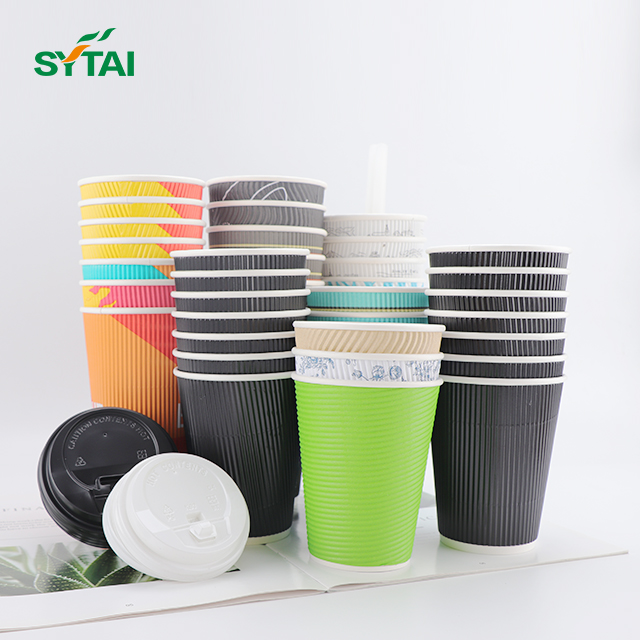
Hot Paper Cups: These feature a polyethylene (PE) film coating only on the inside. This inner layer acts as a barrier to prevent the hot beverage from seeping through the paper walls, while the exterior retains the paper's natural texture without any coating.
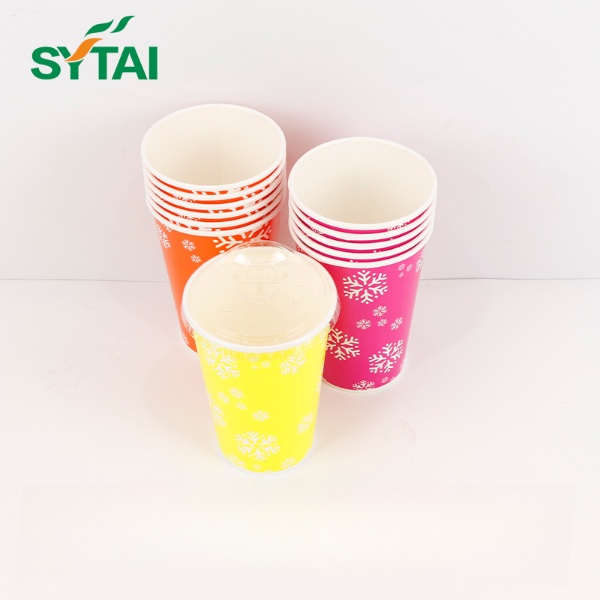
Cold Paper Cups: These utilize a design with PE coating on both the inner and outer surfaces. Why is an exterior coating necessary for cold drink cups? Because cold beverages cause condensation to form on the cup's outer surface. Without the protection of an outer coating, the paper would absorb this condensation, causing it to soften, lose structural integrity, or even deform. The outer coating allows condensation to bead up on the surface, ensuring the cup remains sturdy.
It is worth noting that if a hot drink cup is used for a cold beverage, the uncoated exterior paper will rapidly absorb condensation, causing the cup to soften quickly or even collapse. These two types of paper cups are not interchangeable, as they have completely different material requirements.
2. Paper Weight: Hot Beverage Cups Are Sturdier
Beyond differences in coating, paper weight is another key distinction. The paper used for single-wall hot beverage cups is consistently heavier than that used for cold beverage cups.
This is because hot beverage cups require a certain degree of thickness and rigidity to provide thermal insulation and ensure the cup structure is strong enough to hold hot drinks like coffee. In contrast, cold beverage cups do not require the same level of insulation, allowing for the use of lighter, thinner paper.
Beyond differences in coating, paper weight is another key distinction. The paper used for single-wall hot beverage cups is consistently heavier than that used for cold beverage cups.
This is because hot beverage cups require a certain degree of thickness and rigidity to provide thermal insulation and ensure the cup structure is strong enough to hold hot drinks like coffee. In contrast, cold beverage cups do not require the same level of insulation, allowing for the use of lighter, thinner paper.
Guide to Hot Beverage Paper Cup Types
Disposable hot cups can be categorized based on their structure and insulation method as follows:
1. Single-Wall Hot Cups
The most basic style, featuring a single layer of paperboard with an interior PE (polyethylene) coating. Since heat transfers through the paper, using a cup sleeve is recommended to prevent burns. These have the lowest cost and are suitable for budget-conscious settings.
The most basic style, featuring a single layer of paperboard with an interior PE (polyethylene) coating. Since heat transfers through the paper, using a cup sleeve is recommended to prevent burns. These have the lowest cost and are suitable for budget-conscious settings.
2. Double-Wall Hot Cups
These feature an air gap between two layers of paper, providing superior insulation without the need for an additional sleeve. They are suitable for mid-to-high-end coffee shops and chain brands.
These feature an air gap between two layers of paper, providing superior insulation without the need for an additional sleeve. They are suitable for mid-to-high-end coffee shops and chain brands.
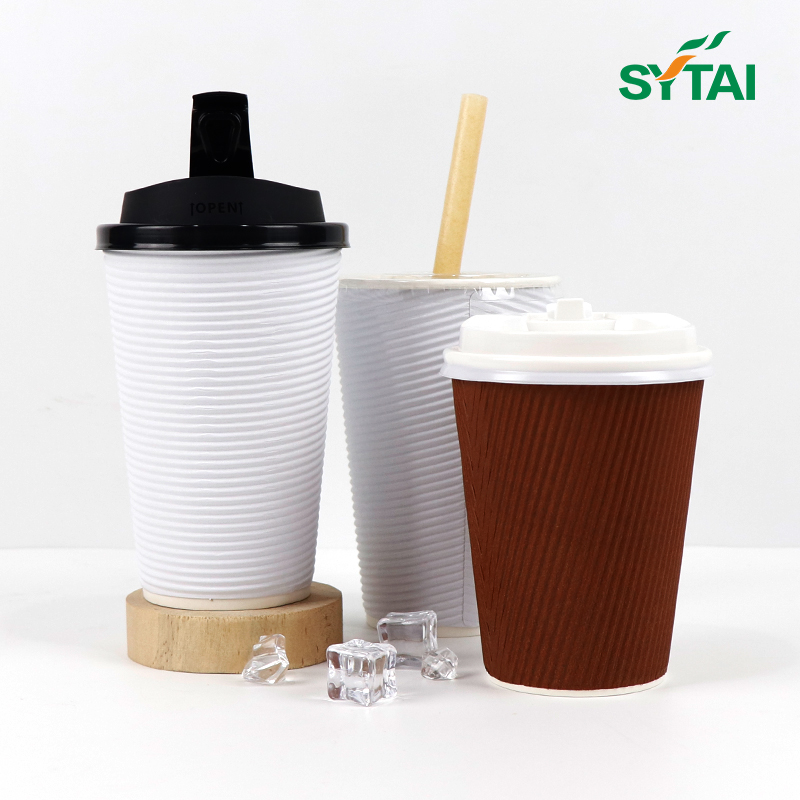
3. Ripple-Wall Hot Cups
These feature an outer corrugated insulation layer, offering excellent heat retention and a superior grip. With their distinctive, high-quality appearance, they are ideal for specialty coffee shops and tea brands.
These feature an outer corrugated insulation layer, offering excellent heat retention and a superior grip. With their distinctive, high-quality appearance, they are ideal for specialty coffee shops and tea brands.
4. Eco-Friendly Hot Cups
These utilize plant-based materials—such as PLA (polylactic acid)—instead of traditional PE coatings, allowing them to degrade under industrial composting conditions. They are suitable for businesses that prioritize a sustainable brand image.
These utilize plant-based materials—such as PLA (polylactic acid)—instead of traditional PE coatings, allowing them to degrade under industrial composting conditions. They are suitable for businesses that prioritize a sustainable brand image.
Guide to Paper Cold Drink Cup Types
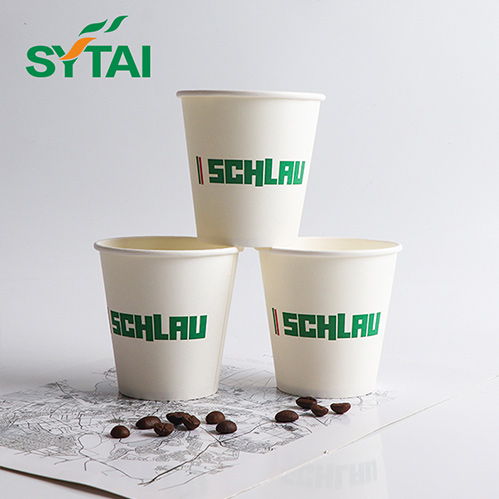
Paper cold drink cups also come in a wide variety of types:
1. Single-Wall PE-Lined Cold Cups
The standard format for cold drink cups, featuring an interior PE coating to prevent leakage. Suitable for fast-food restaurants, milk tea shops, and beverage kiosks; sizes range from 8oz to 32oz.
The standard format for cold drink cups, featuring an interior PE coating to prevent leakage. Suitable for fast-food restaurants, milk tea shops, and beverage kiosks; sizes range from 8oz to 32oz.
2. Ripple-Wrap Cold Cups
These feature a corrugated outer sleeve and a PE-lined interior. They offer a better grip and some insulation, making them suitable for smoothies and specialty cold drinks.
These feature a corrugated outer sleeve and a PE-lined interior. They offer a better grip and some insulation, making them suitable for smoothies and specialty cold drinks.
3. PLA-Lined Cold Cups
An eco-friendly option that replaces PE with plant-based PLA. Suitable for use in areas with well-established industrial composting facilities.
An eco-friendly option that replaces PE with plant-based PLA. Suitable for use in areas with well-established industrial composting facilities.
4. Double-Wall Cold Cups
The air gap between the two paper walls helps reduce condensation on the exterior. Ideal for high-end hotels, specialty coffee shops, and other settings that prioritize the customer experience.
The air gap between the two paper walls helps reduce condensation on the exterior. Ideal for high-end hotels, specialty coffee shops, and other settings that prioritize the customer experience.
Industry Trends and Outlook
The global disposable paper cup market was valued at approximately $6.7 billion in 2024 and is projected to grow to $8.3 billion by 2030. Key drivers of this growth include the continued expansion of the foodservice industry, the widespread popularity of coffee culture, the rise of food delivery services, and consumer demand for convenient, hygienic disposable products.
At the same time, sustainability regulations are reshaping product design. Recyclable, compostable, and fiber-based barrier technologies are emerging as new industry trends. The paper cup market is shifting from a business model driven purely by sales volume to a balanced approach that integrates performance, cost-effectiveness, and environmental responsibility.
At the same time, sustainability regulations are reshaping product design. Recyclable, compostable, and fiber-based barrier technologies are emerging as new industry trends. The paper cup market is shifting from a business model driven purely by sales volume to a balanced approach that integrates performance, cost-effectiveness, and environmental responsibility.
The key difference between hot and cold paper cups lies in their construction: hot drink cups feature a PE coating only on the interior and use thicker paper for thermal insulation, whereas cold drink cups have PE coatings on both the inside and outside and use thinner paper to prevent condensation. The two types are not interchangeable.
When sourcing, it is recommended that you select the appropriate paper cup based on factors such as beverage type, brand positioning, environmental requirements, and procurement volume.
Are you sourcing paper cups for your food and beverage business? Do you have questions about choosing between hot and cold paper cups? Please leave a comment below, and Sytai’s packaging experts will provide you with personalized product selection advice!
When sourcing, it is recommended that you select the appropriate paper cup based on factors such as beverage type, brand positioning, environmental requirements, and procurement volume.
Are you sourcing paper cups for your food and beverage business? Do you have questions about choosing between hot and cold paper cups? Please leave a comment below, and Sytai’s packaging experts will provide you with personalized product selection advice!
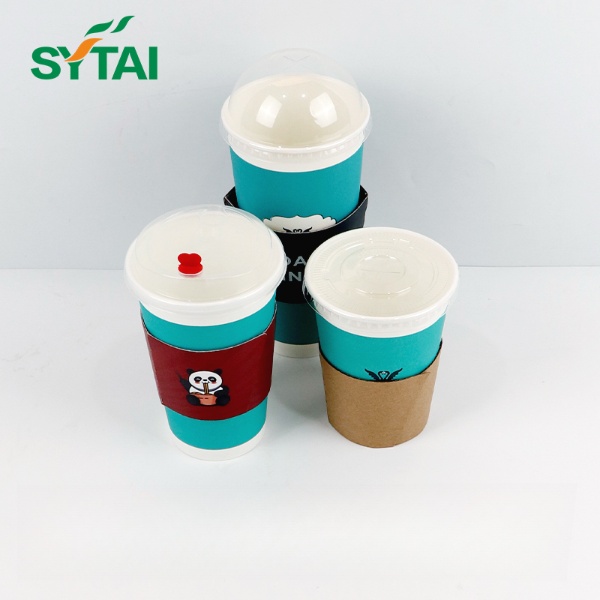
Industry News - August 26, 2026
Single wall cup vs double wall cup: What is the difference?
Single wall paper cup vs double wall paper cup—what's the difference? Compare insulation, cost, sustainability, and find the best solution for your cafe, restaurant, or wholesale business. Expert B2B guide.
Industry News - August 23, 2026
What are the benefits of ripple cups?Why We Use Ripple Cups?
Discover the benefits of ripple cups — superior insulation, secure grip, and no sleeves needed. Explore ripple wall paper cup types, uses, and sustainable solutions for coffee shops, cafés, and catering businesses. Find kraft ripple cups and disposable ripple coffee cups at wholesale prices.

Industry News - August 14, 2026
EU PPWR Regulation Enacted: Compliance Guide for Food Packaging Exporters
On August 12, 2026, the EU Packaging and Packaging Waste Regulation (PPWR, (EU) 2025/40) officially entered into full force.