


Single wall cup vs double wall cup: What is the difference?
2026-08-26
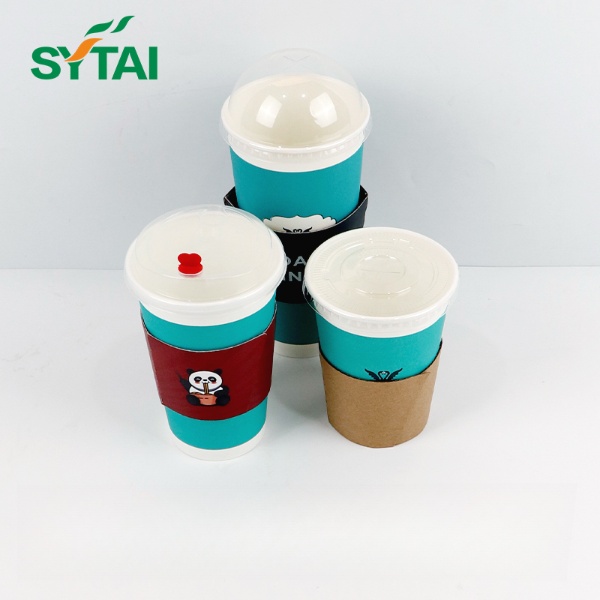
Step behind the counter of any café, bubble tea shop, or chain restaurant, and you will encounter a seemingly simple yet crucial question: how do you choose between single wall paper cup and double wall paper cup?
Procurement managers and store operators often face a dilemma here: choosing single-wall cups raises concerns about heat transfer and a compromised customer experience, while opting for double-wall cups sparks worries about higher costs.
In reality, although these two types of cups look similar, they differ fundamentally in structural design, thermal insulation performance, usage scenarios, and cost structure. Making the wrong choice can not only negatively impact the customer experience but also drive up operating costs and damage your brand image.
In reality, although these two types of cups look similar, they differ fundamentally in structural design, thermal insulation performance, usage scenarios, and cost structure. Making the wrong choice can not only negatively impact the customer experience but also drive up operating costs and damage your brand image.
Sytai breaks down the key differences between single wall and double wall paper cups to help you make the smartest purchasing decisions.
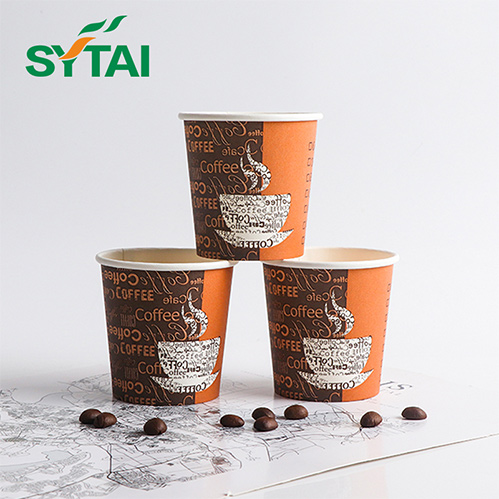
single-wall paper cup
Structural differences: the fundamental distinction between single-ply and two-ply paper
As the name suggests, a single-wall paper cup is made from a single layer of paperboard. The interior is typically lined with a thin coating of PE (polyethylene) or PLA (polylactic acid) to prevent leakage. Featuring a simple, lightweight design, this is the most common type of paper cup on the market.
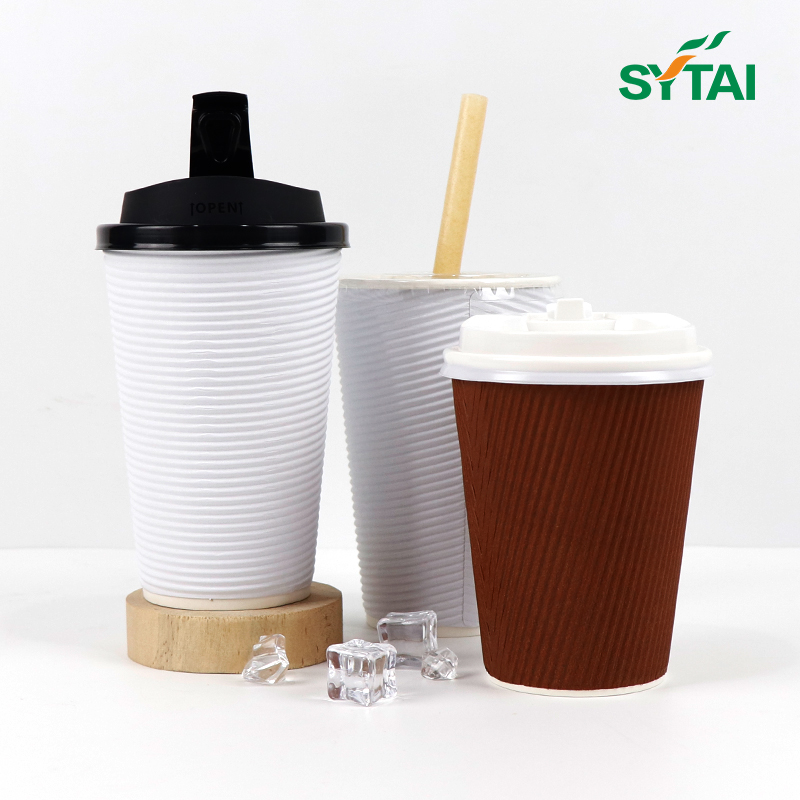
In contrast, a double-wall paper cup utilizes a dual-layer paperboard structure, creating a small air gap between the inner and outer walls. This layer of air acts as a natural thermal barrier, insulating the outer wall from the heat of the beverage inside. In terms of specifications, the wall thickness of a single-wall cup is approximately 410 µm, whereas that of a double-wall cup can reach 712 µm.
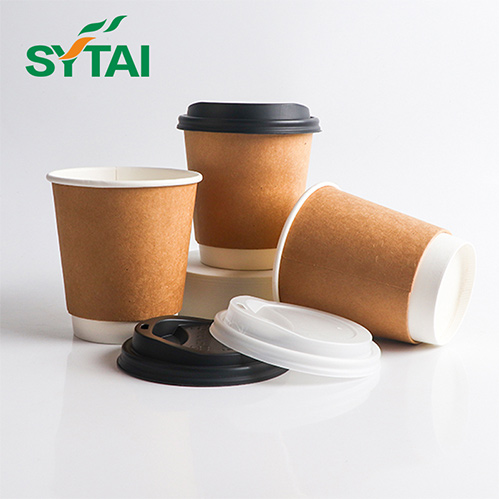
double-wall paper cup
Key takeaway: The addition of an extra layer of paperboard and an insulating air gap in double-wall cups is the fundamental reason for all performance differences.
Cost Analysis: A Low Unit Price Does Not Necessarily Mean Low Total Cost
In terms of unit price, single-wall paper cups are indeed cheaper—averaging 20%–30% less than double-wall cups. The reason is simple: they require fewer materials and involve a simpler manufacturing process. For the same specifications, a single-wall cup uses 55% less paperboard, weighs 44% less, and has a 20% smaller carbon footprint than a double-wall cup.
However, the picture is more complex when considering the total cost of ownership.
If you use single-wall cups for hot drinks, you must also use a cup sleeve. The actual cost formula becomes: price of single-wall cup + price of sleeve = total packaging cost. Often, the combined cost of a single-wall cup and a custom-printed sleeve actually exceeds the cost of a standalone double-wall cup.
Additionally, single-wall cups offer advantages in storage and transport—cartons of the same size can hold 30%–40% more single-wall cups, resulting in lower logistics costs.
Purchasing recommendation: If you sell only cold or room-temperature beverages, single-wall cups are the most economical choice. If your business focuses on hot drinks and prioritizes a premium customer experience, double-wall cups—despite their higher unit price—may offer better overall value by eliminating the costs associated with purchasing, storing, and handling separate sleeves.
Applicable scenarios: Your business type determines the answer
Single-wall paper cups are best suited for:
Cold drinks, iced coffee, fruit juice, and soda.
Room-temperature beverages (water, lemonade).
High-turnover settings (exhibitions, parties, fast-food outlets).
Budget-conscious businesses.
Indoor dining and scenarios where drinks are consumed quickly.
Cold drinks, iced coffee, fruit juice, and soda.
Room-temperature beverages (water, lemonade).
High-turnover settings (exhibitions, parties, fast-food outlets).
Budget-conscious businesses.
Indoor dining and scenarios where drinks are consumed quickly.
Double-wall paper cups are best suited for:
Hot coffee, hot tea, and hot chocolate.
Specialty coffee shops and high-end tea shops.
Takeout and delivery services (where heat retention over time is required).
Outdoor winter activities.
Businesses aiming for a premium brand image and a high-end customer experience.
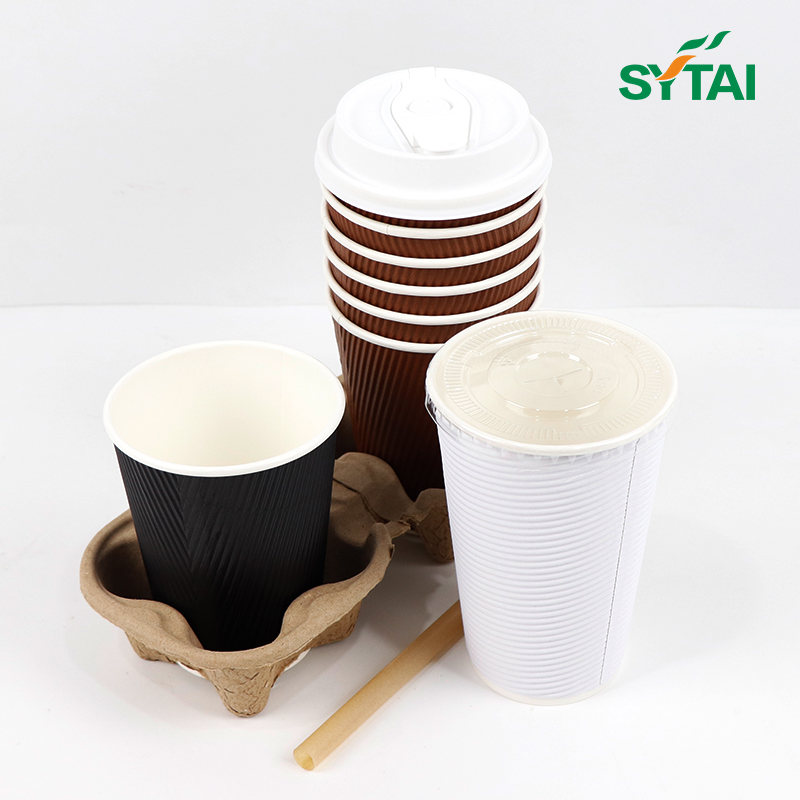
ripple wall cup
A noteworthy trend: Ripple-wall cups—an upgraded version of double-wall cups—offer 8%–12% better heat retention than standard double-wall cups. If your brand is positioned as high-end with a higher average transaction value, ripple-wall cups are a distinctive option worth considering.
Environmental Considerations: How Do We Balance Sustainability?
With growing environmental awareness, this question is attracting increasing attention.
Single-wall paper cups hold a clear advantage in terms of environmental impact: they use less paper, consume less energy, and generate lower carbon emissions. Their more compact carton size also results in reduced carbon emissions during transport.
Single-wall paper cups hold a clear advantage in terms of environmental impact: they use less paper, consume less energy, and generate lower carbon emissions. Their more compact carton size also results in reduced carbon emissions during transport.
However, it is important to note that a paper cup's recyclability or compostability depends primarily on the type of inner lining (PE or PLA) rather than whether the cup has a single-wall or double-wall structure. Regardless of the cup style, opting for a PLA lining (a plant-based bioplastic) offers greater environmental benefits than a traditional PE lining.
Environmental Recommendation: If your brand emphasizes sustainability, consider a single-wall paper cup with a PLA lining to strike a balance between environmental impact and cost. If thermal insulation is a critical requirement, opt for a double-wall paper cup made from certified compostable materials.
Industry News - August 23, 2026
What are the benefits of ripple cups?Why We Use Ripple Cups?
Discover the benefits of ripple cups — superior insulation, secure grip, and no sleeves needed. Explore ripple wall paper cup types, uses, and sustainable solutions for coffee shops, cafés, and catering businesses. Find kraft ripple cups and disposable ripple coffee cups at wholesale prices.

Industry News - August 14, 2026
EU PPWR Regulation Enacted: Compliance Guide for Food Packaging Exporters
On August 12, 2026, the EU Packaging and Packaging Waste Regulation (PPWR, (EU) 2025/40) officially entered into full force.

Industry News - August 10, 2026
What is the difference between hot and cold paper cups?
What is the difference between hot and cold paper cups? Learn about coating, materials, and applications. Discover the best cold disposable cups, paper cold drink cups, and hot paper cup solutions for your foodservice business.