


123123123
 123123123
The fundamental challenge with paper cups and bowls lies in balancing three competing requirements: the paper must be formable, the coating must provide a barrier, and the finished product must withstand heat and oil. These factors are interdependent, meaning any choice of coating involves a series of trade-offs.
This is the most critical aspect of the purchasing decision. While many buyers simply know that "PE is cheap" and "PLA is eco-friendly," the factors that truly determine user experience and regulatory compliance are the inherent differences in temperature limits, barrier performance, and degradation conditions associated with each material.
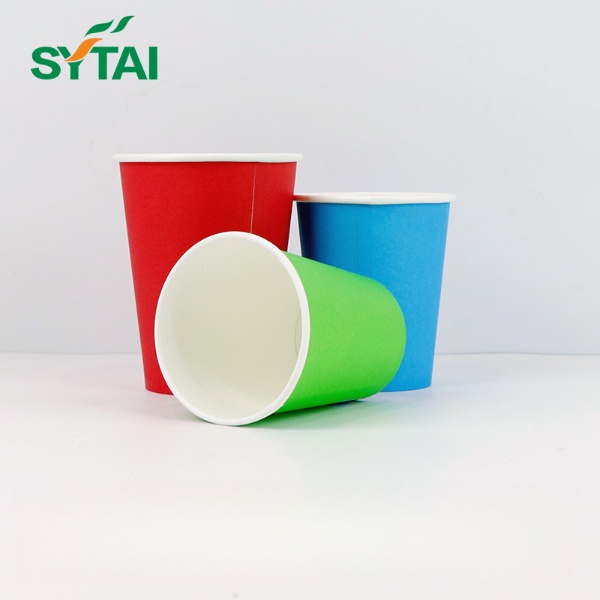
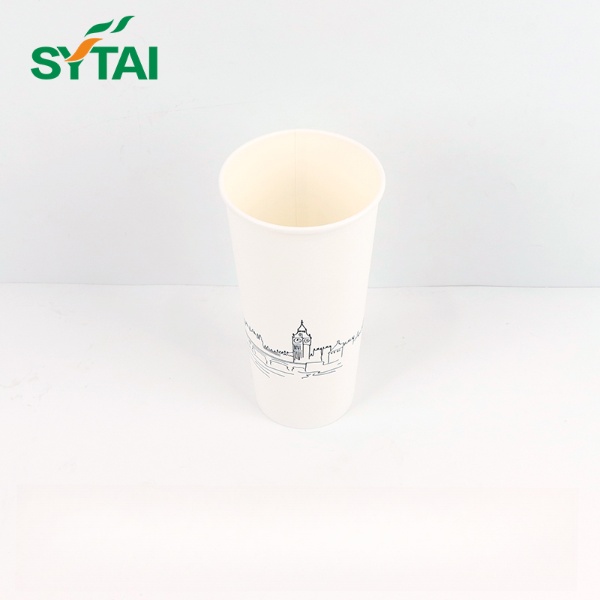
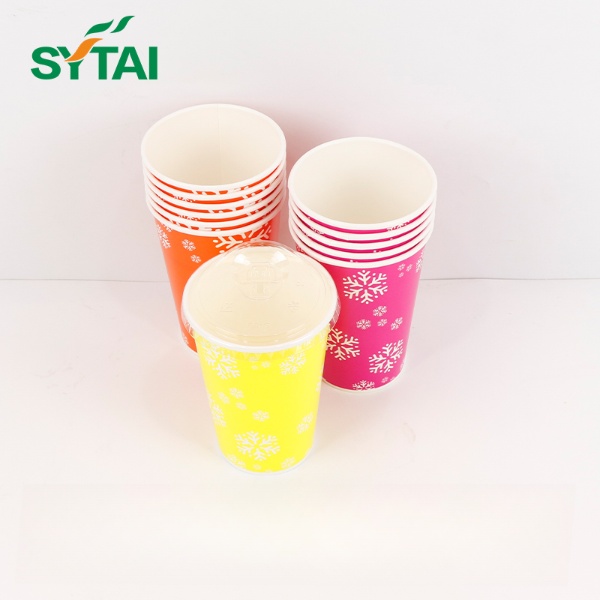
Hot Drink Cups: This is the scenario where PLA is most prone to failure. If opting for PLA, ensure you use heat-resistant modified PLA. Water-based coatings perform reliably in hot beverage applications, with a heat resistance limit of 95°C that meets the requirements for the vast majority of coffees and teas. If continuing to use PE, avoid holding scalding liquids for extended periods; studies suggest avoiding the use of paper cups to hold boiling water or high-oil soups for longer than 40 minutes.
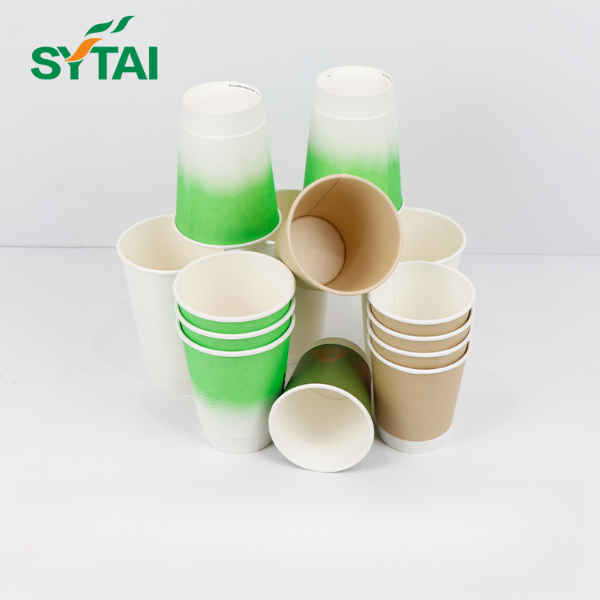
Soup Bowls and Food Containers: Selecting paper bowls is more complex than selecting paper cups because the bowl functions as a "food contact system"—the paperboard, barrier coating, shape, rim curl, lid, filling conditions, heat retention duration, and delivery environment must all work in concert. The 16oz and 26oz sizes are the most frequently used, covering most daily applications such as noodle soups, rice dishes, and salads. For hot soups, double-walled bowls provide thermal insulation, eliminating the need for a separate sleeve; conversely, single-walled bowls suffice for cold salads and light meals, offering a more cost-effective solution.
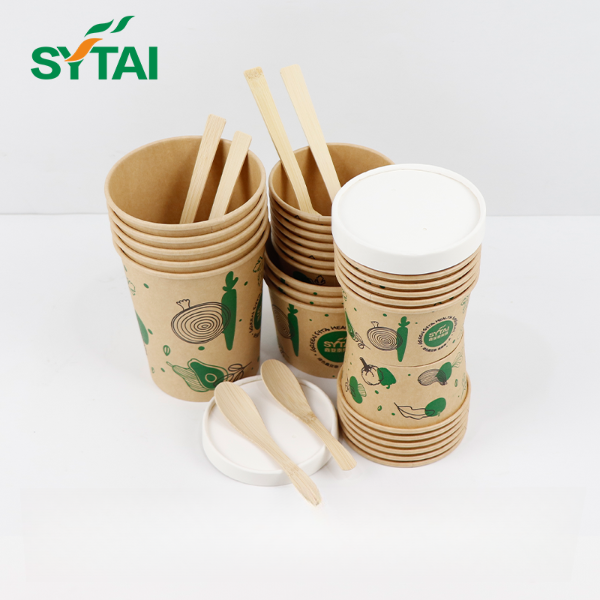
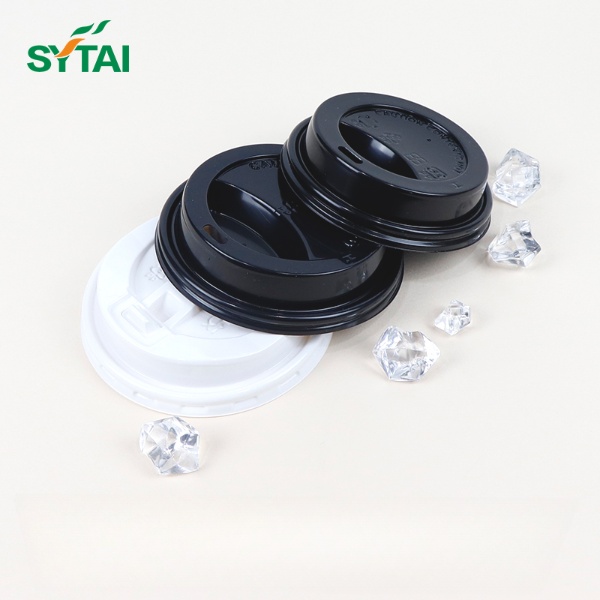
Lid compatibility is another common pitfall. It is advisable to standardize lid diameters within your supplier network—for instance, using a single lid size for both 26oz and 32oz bowls—to effectively halve the number of lid SKUs and reduce inventory costs.
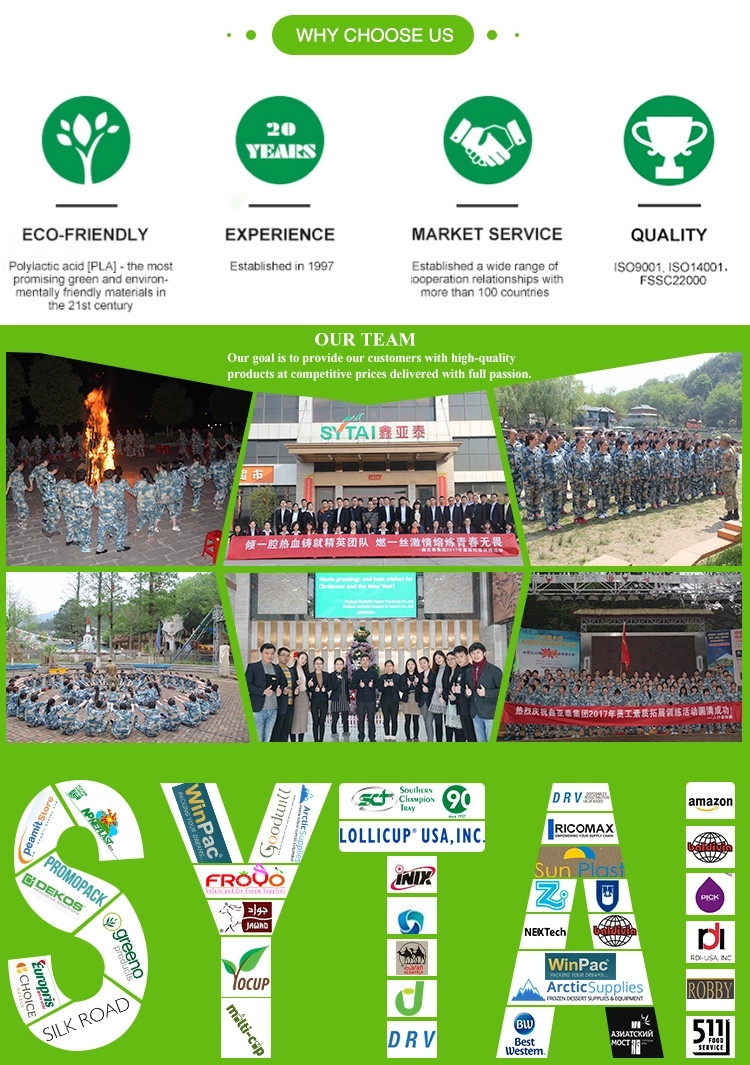
More importantly, Sytai offers not just individual products, but comprehensive support for material selection. We help you identify the optimal material solution based on factors such as your menu items' temperature, oil content, delivery duration, and the regulations of your target market, while also providing the necessary test reports and certification documents.
What challenges have you faced when sourcing food packaging? Is it leakage, insufficient heat resistance, or incomplete certification documentation? Please share your specific situation in the comments section, and Sytai’s product team will provide tailored recommendations.
Sytai Paper Food Packaging Solutions
2026-10-08
123123123
Anyone in the food and beverage industry has likely encountered scenarios like these: landing a large order only to face a customer complaint about spilled soup, or discovering—after investing effort into a custom-designed paper cup—that the material fails to meet standards within just a couple of months. The "minor detail" of food packaging is, in reality, a matter of significant importance.
The fundamental challenge with paper cups and bowls lies in balancing three competing requirements: the paper must be formable, the coating must provide a barrier, and the finished product must withstand heat and oil. These factors are interdependent, meaning any choice of coating involves a series of trade-offs.
This is the most critical aspect of the purchasing decision. While many buyers simply know that "PE is cheap" and "PLA is eco-friendly," the factors that truly determine user experience and regulatory compliance are the inherent differences in temperature limits, barrier performance, and degradation conditions associated with each material.
An In-Depth Analysis of Three Mainstream Materials: How to Choose Between PE, PLA, and Water-Based Coatings?
PE Coating: A Mature Solution with "Legacy Baggage"
PE (polyethylene) coating currently holds the largest market share. It creates a barrier layer by heat-pressing a plastic film onto paperboard, offering stable water and oil resistance and withstanding temperatures of 90–95°C—sufficient for most hot beverage and soup applications.
However, PE faces two increasingly thorny issues.
First, as a petroleum-based, non-biodegradable plastic, PE-coated paper cups face shrinking compliance viability under frameworks like the EU’s Single-Use Plastics (SUP) Directive and the Packaging and Packaging Waste Regulation (PPWR).
Second, peer-reviewed studies have confirmed that PE-lined cups release microplastic particles when in contact with hot liquids—with release rates increasing alongside temperature. This has become a critical concern for high-end dining brands and institutional buyers.
First, as a petroleum-based, non-biodegradable plastic, PE-coated paper cups face shrinking compliance viability under frameworks like the EU’s Single-Use Plastics (SUP) Directive and the Packaging and Packaging Waste Regulation (PPWR).
Second, peer-reviewed studies have confirmed that PE-lined cups release microplastic particles when in contact with hot liquids—with release rates increasing alongside temperature. This has become a critical concern for high-end dining brands and institutional buyers.
Suitability Assessment: PE remains a viable option if your market is domestic, there are no strict biodegradability requirements, and you are budget-sensitive. However, if your clients are in European or North American markets, you have ESG reporting obligations, or your brand is positioned in the mid-to-high-end segment, the compliance risks associated with PE will continue to rise.
PLA Coating: The Eco-friendly Standard, with "Heat Resistance" as the Key Variable
PLA (polylactic acid) coating is currently the leading solution for biodegradable paper cups. The global market for PLA paper cups reached $1.039 billion in 2025 and is projected to hit $1.757 billion by 2032, growing at a CAGR of 7.8%. As global plastic restrictions tighten, replacing PE coatings with PLA has become the mainstream path for upgrading paper cups to meet environmental standards.
PLA (polylactic acid) coating is currently the leading solution for biodegradable paper cups. The global market for PLA paper cups reached $1.039 billion in 2025 and is projected to hit $1.757 billion by 2032, growing at a CAGR of 7.8%. As global plastic restrictions tighten, replacing PE coatings with PLA has become the mainstream path for upgrading paper cups to meet environmental standards.
Key Procurement Considerations: If you are sourcing cups for hot beverages or soups, you must explicitly require suppliers to provide test reports confirming the use of "high-heat resistant PLA" grades; standard PLA-coated cups carry an inherent risk of softening and leaking when used for hot liquids. Furthermore, the degradation of PLA requires strict conditions: complete breakdown within 90–180 days occurs only in industrial composting facilities (at temperatures above 58°C and specific humidity levels); in standard landfills, its lifespan differs little from that of conventional plastics.
Water-based coatings: Recyclable and home-compostable, yet the most costly option.
Water-based coating technology represents the most advanced solution currently available. Instead of using a solid plastic film, the material is applied as an aqueous polymer dispersion; upon drying, the barrier layer integrates into the paper fiber matrix without forming a distinct plastic layer, resulting in a significantly lower synthetic polymer content per unit area compared to PE or PLA.
Water-based coating technology represents the most advanced solution currently available. Instead of using a solid plastic film, the material is applied as an aqueous polymer dispersion; upon drying, the barrier layer integrates into the paper fiber matrix without forming a distinct plastic layer, resulting in a significantly lower synthetic polymer content per unit area compared to PE or PLA.
In terms of performance, water-based coatings withstand temperatures up to 95°C and provide a reliable barrier against grease and sauces. A crucial distinction lies in end-of-life processing: paper cups with water-based coatings can enter standard paper recycling streams and are suitable for home composting (subject to certification)—capabilities PLA lacks, as PLA requires industrial composting, whereas water-based coatings can decompose naturally at ambient temperatures.
Suitability: Water-based coatings are ideal for markets with clear demands for recyclability or home compostability. Notably, in Europe and Australia, products featuring these coatings have already secured AS 5810 home composting certification and EN 13432 industrial composting certification. The primary drawback is that the unit cost is the highest among the three options, though this cost is decreasing as production scales up.
Cold Drink Cups, Hot Drink Cups, Soup Bowls, Meal Boxes
Cold Drink Cups: These typically feature single- or double-sided PE (polyethylene) coating to handle condensation. If upgrading to PLA cold drink cups, standard PLA is suitable, as cold beverage temperatures remain well below PLA's softening point. Water-based coatings are also a viable option and offer superior recyclability.
Hot Drink Cups: This is the scenario where PLA is most prone to failure. If opting for PLA, ensure you use heat-resistant modified PLA. Water-based coatings perform reliably in hot beverage applications, with a heat resistance limit of 95°C that meets the requirements for the vast majority of coffees and teas. If continuing to use PE, avoid holding scalding liquids for extended periods; studies suggest avoiding the use of paper cups to hold boiling water or high-oil soups for longer than 40 minutes.
Soup Bowls and Food Containers: Selecting paper bowls is more complex than selecting paper cups because the bowl functions as a "food contact system"—the paperboard, barrier coating, shape, rim curl, lid, filling conditions, heat retention duration, and delivery environment must all work in concert. The 16oz and 26oz sizes are the most frequently used, covering most daily applications such as noodle soups, rice dishes, and salads. For hot soups, double-walled bowls provide thermal insulation, eliminating the need for a separate sleeve; conversely, single-walled bowls suffice for cold salads and light meals, offering a more cost-effective solution.
Lid compatibility is another common pitfall. It is advisable to standardize lid diameters within your supplier network—for instance, using a single lid size for both 26oz and 32oz bowls—to effectively halve the number of lid SKUs and reduce inventory costs.
Navigating Compliance Pitfalls: The EU PPWR and the "Greenwashing" Trap
The EU’s Packaging and Packaging Waste Regulation (PPWR) has entered into force. Applicable from August 12, 2026, it establishes binding, EU-wide rules regarding packaging recyclability, minimization, and material composition.
Starting January 1, 2030, restrictions will apply to certain single-use plastic packaging—including bio-based and biodegradable formats that fail to meet recyclability standards—in applications such as unprocessed fruit and vegetables weighing less than 1.5 kg and single-portion condiment sachets. This means that a "biodegradable" claim no longer equates to regulatory compliance; recyclability is becoming a pivotal criterion for assessment. For companies exporting to Europe, the recyclability advantages of water-based coating solutions will become increasingly significant.
Another pitfall to watch out for is "greenwashing" labels. Some products claim to be "biodegradable" but actually decompose only under specific industrial composting conditions, failing to break down in typical consumer usage scenarios. Buyers should require suppliers to clearly specify the conditions for degradation and the corresponding certifications, rather than relying on vague labels like "eco-friendly" or "biodegradable."
Sytai's One-Stop Solution: From Model Selection to Delivery
Sytai’s product portfolio encompasses all the aforementioned material solutions—including PE coating, PLA coating (including high-temperature resistant grades), and water-based coatings—covering a full range of products such as paper cups, bowls, food containers, and plates. The Group’s food packaging division utilizes PLA, water-based coated paper, and fully biodegradable materials, all of which are fully compostable under industrial composting conditions.
More importantly, Sytai offers not just individual products, but comprehensive support for material selection. We help you identify the optimal material solution based on factors such as your menu items' temperature, oil content, delivery duration, and the regulations of your target market, while also providing the necessary test reports and certification documents.
What challenges have you faced when sourcing food packaging? Is it leakage, insufficient heat resistance, or incomplete certification documentation? Please share your specific situation in the comments section, and Sytai’s product team will provide tailored recommendations.

Company News - September 14, 2026
What is the difference between single wall and double wall cups?
How should you choose between single-wall and double-wall paper cups? This article provides a comprehensive analysis—covering structural differences, insulation performance, cost comparisons, and usage scenarios—to help you understand the distinctions between the two.
Company News - August 20, 2026
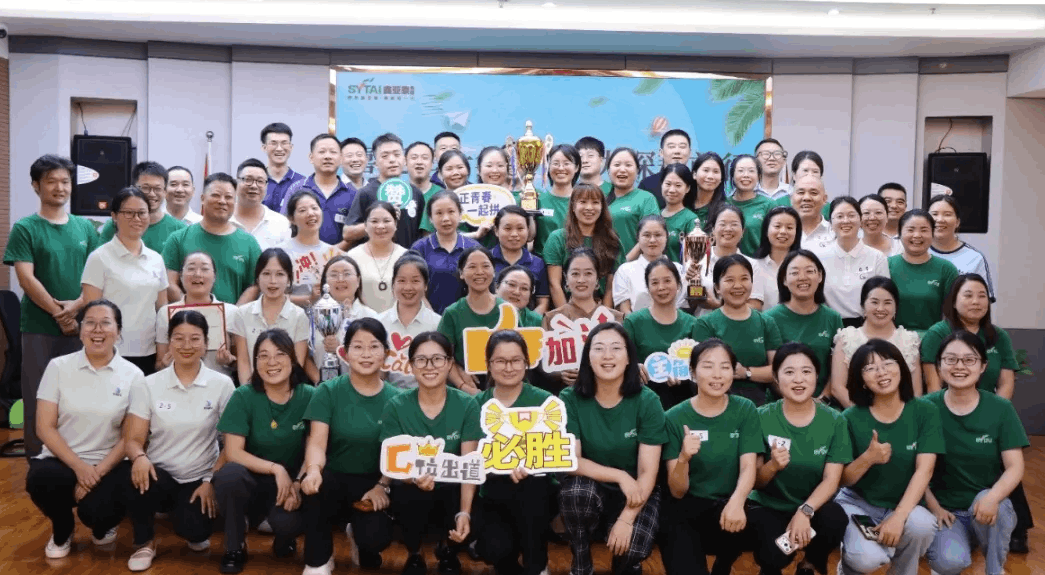
Promoting Learning Through Competition, Driving Action Through Learning — Sytai 20th Anniversary Knowledge Contest
To celebrate the 20th anniversary of Xinyatai Group and rally the collective strength of the entire workforce, the Group has coordinated with its subsidiaries to launch a knowledge quiz competition.
Company News - July 03, 2026
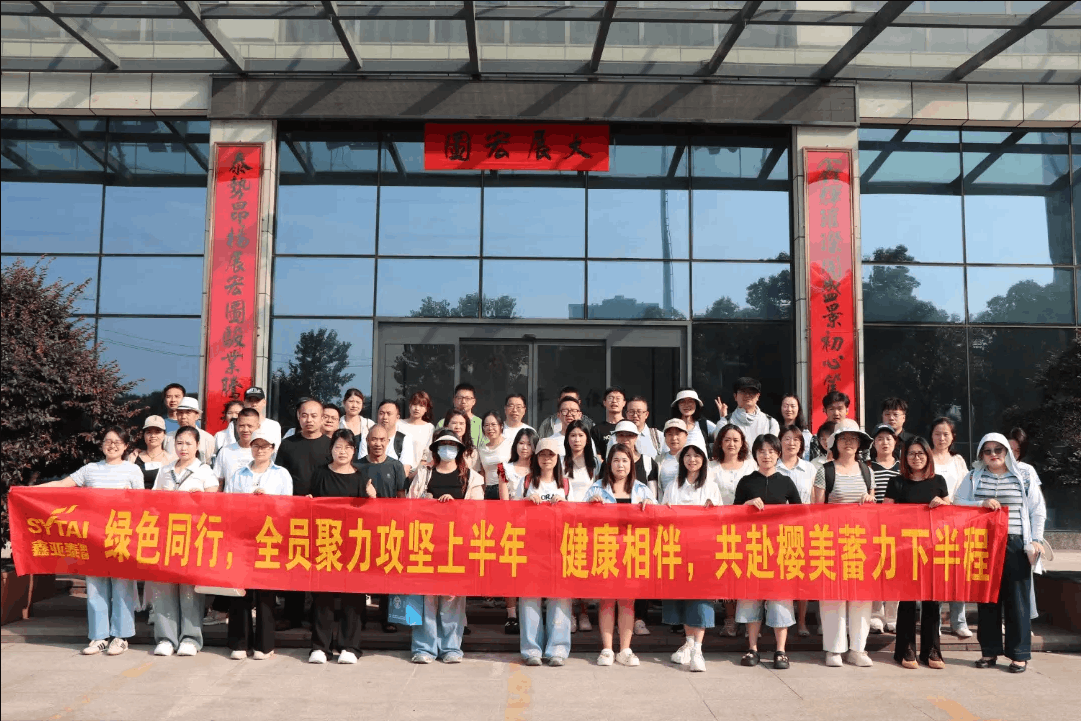
Embracing Nature, Prioritizing Health | A Recap of Sytai’s Exciting Two-Day Team Building Trip to Jiujiang Canyon!
On June 28–29, Sytai Technology held a team-building event themed "Going Green Together, Embracing Health" at Jiujiang Yingmei Canyon. Featuring whitewater rafting and fun competitive activities, the event significantly boosted team cohesion.