


Types of Disposable Takeout Food Packaging Boxes
2026-07-26
Main Types of Disposable Paper Takeout Boxes
There is a wide variety of disposable paper takeout containers on the market; based on raw materials and manufacturing processes, they generally fall into the following categories:
1. Paperboard Containers
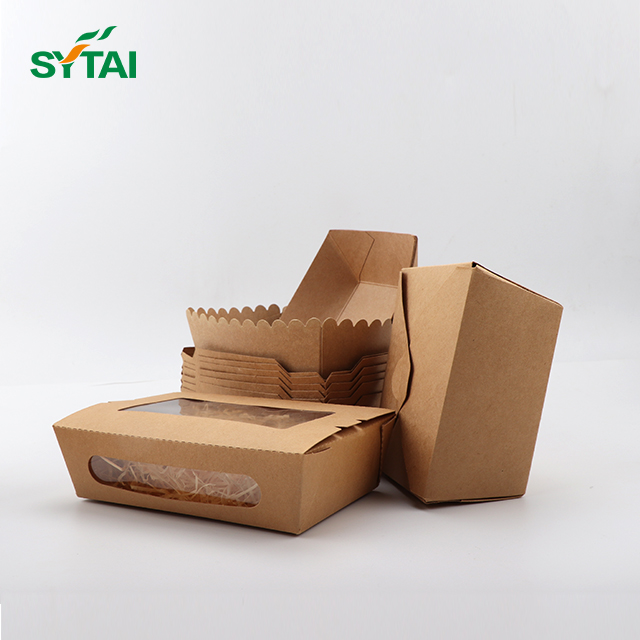
Made from 300–350g bleached sulfate wood pulp paperboard, these containers are produced through processes such as stamping and die-cutting/gluing. They offer good structural rigidity and a uniform shape, making them suitable for holding solid or semi-solid foods like hamburgers, sandwiches, and pastries.
Made from 300–350g bleached sulfate wood pulp paperboard, these containers are produced through processes such as stamping and die-cutting/gluing. They offer good structural rigidity and a uniform shape, making them suitable for holding solid or semi-solid foods like hamburgers, sandwiches, and pastries.
2. Coated Paper Containers
Currently the most common type of disposable paper container on the market, these are made by laminating food-grade paper with a coating of polyethylene (PE) or polylactic acid (PLA). The coating provides water and oil resistance, allowing the containers to hold takeout meals containing liquids or grease. PLA coatings are biodegradable and can fully decompose under industrial composting conditions, representing a mainstream trend in eco-friendly packaging.
Currently the most common type of disposable paper container on the market, these are made by laminating food-grade paper with a coating of polyethylene (PE) or polylactic acid (PLA). The coating provides water and oil resistance, allowing the containers to hold takeout meals containing liquids or grease. PLA coatings are biodegradable and can fully decompose under industrial composting conditions, representing a mainstream trend in eco-friendly packaging.
3. Molded Pulp Containers
Produced directly from pulp using molds, these containers are fully biodegradable and recyclable, marking a key direction for the development of green packaging. However, due to their relatively lower structural strength, they are currently used primarily for items like egg cartons and fruit trays; their application for hot takeout meals is still undergoing optimization.
Produced directly from pulp using molds, these containers are fully biodegradable and recyclable, marking a key direction for the development of green packaging. However, due to their relatively lower structural strength, they are currently used primarily for items like egg cartons and fruit trays; their application for hot takeout meals is still undergoing optimization.
How to Choose the Right Takeout Food Containers
1. Match packaging performance to the type of food
Different food items have distinct requirements for packaging performance:
Grease and leak resistance are the most critical factors when selecting takeout paper boxes. For high-fat foods—such as fried items or braised dishes—it is essential to choose coated paper boxes with excellent grease resistance. For items with high liquid content, such as noodle soups or porridge, the focus should be on the sealing and leak-proof capabilities of the lid.
Different food items have distinct requirements for packaging performance:
Grease and leak resistance are the most critical factors when selecting takeout paper boxes. For high-fat foods—such as fried items or braised dishes—it is essential to choose coated paper boxes with excellent grease resistance. For items with high liquid content, such as noodle soups or porridge, the focus should be on the sealing and leak-proof capabilities of the lid.
2. Prioritize safety certifications and quality standards
When purchasing disposable food containers with lids, always verify compliance with national food safety standards. Key domestic standards include GB 4806.8-2016 ("National Food Safety Standard: Paper and Paperboard Materials and Articles Intended to Come into Contact with Food") and GB/T 38082-2019 ("Disposable Paper Tableware"). Products intended for export must also meet international standards such as the EU's EN 13432 and the US FDA's 21 CFR 176.170.
When purchasing disposable food containers with lids, always verify compliance with national food safety standards. Key domestic standards include GB 4806.8-2016 ("National Food Safety Standard: Paper and Paperboard Materials and Articles Intended to Come into Contact with Food") and GB/T 38082-2019 ("Disposable Paper Tableware"). Products intended for export must also meet international standards such as the EU's EN 13432 and the US FDA's 21 CFR 176.170.
Consumers should look for key information such as the "food-contact" label, production license number, material type, and applicable temperature range. High-quality food boxes feature uniform color, distinct contours, and smooth, flat rims free of burrs or impurities.
3. Balance environmental sustainability with cost
Driven by "dual carbon" goals and plastic restriction policies, the wholesale food packaging sector is rapidly shifting toward eco-friendly solutions. Current mainstream eco-friendly options include:
Driven by "dual carbon" goals and plastic restriction policies, the wholesale food packaging sector is rapidly shifting toward eco-friendly solutions. Current mainstream eco-friendly options include:
PE coating: Offers excellent performance and manageable costs but is not compostable or biodegradable;
PLA coating: Industrially compostable and biodegradable, but has poor heat resistance and is unsuitable for high-temperature foods;
Water-based coating (plastic-free): Completely plastic-free and recyclable; this represents a future trend, though there is still room for improvement regarding protection against high-fat foods.
PLA coating: Industrially compostable and biodegradable, but has poor heat resistance and is unsuitable for high-temperature foods;
Water-based coating (plastic-free): Completely plastic-free and recyclable; this represents a future trend, though there is still room for improvement regarding protection against high-fat foods.
Food service businesses should find the optimal balance between performance and sustainability based on their brand positioning, target audience, and budget.
4. Consider brand customization and differentiation
Customized disposable takeaway food boxes serve not only as vessels for holding food but also as mobile advertisements for brand promotion. Printing brand logos, distinctive designs, or eco-friendly slogans on paper boxes can effectively enhance brand recognition and customer loyalty. As fast-food chains increasingly focus on communicating their brand image, the demand for customized, eco-friendly takeout boxes continues to grow.
Customized disposable takeaway food boxes serve not only as vessels for holding food but also as mobile advertisements for brand promotion. Printing brand logos, distinctive designs, or eco-friendly slogans on paper boxes can effectively enhance brand recognition and customer loyalty. As fast-food chains increasingly focus on communicating their brand image, the demand for customized, eco-friendly takeout boxes continues to grow.
Future Trends in Food Packaging Boxes for Takeout
1. Shift Toward Plastic-Free and Fully Biodegradable Solutions
Future paper food containers will see breakthroughs in plastic-free coating technologies. Bio-based coatings—such as nanocellulose or chitosan—will create fully water-dispersible barrier layers, eliminating the need for traditional plastic lamination.
Future paper food containers will see breakthroughs in plastic-free coating technologies. Bio-based coatings—such as nanocellulose or chitosan—will create fully water-dispersible barrier layers, eliminating the need for traditional plastic lamination.
2. Design for Recyclability and Closed-Loop Systems
On the recycling front, standardized material labeling will facilitate sorting. Paper containers compatible with community-level anaerobic digestion (alongside food waste) will expand disposal options. Some brands are already reinforcing their green narratives through "packaging carbon footprint" labeling.
On the recycling front, standardized material labeling will facilitate sorting. Paper containers compatible with community-level anaerobic digestion (alongside food waste) will expand disposal options. Some brands are already reinforcing their green narratives through "packaging carbon footprint" labeling.
3. Continued Market Expansion
Market research indicates that the global market for takeaway food containers is projected to reach $96.311 billion by 2032. The market for eco-friendly takeaway containers in China is expected to hit $7.919 billion by 2032, with a compound annual growth rate (CAGR) of 6.5%. The three-year CAGR for the export volume of molded pulp and paper tableware (+18% and +15%, respectively) significantly outpaces that of plastic tableware (+9%), highlighting the strong growth momentum of paper-based packaging.
Market research indicates that the global market for takeaway food containers is projected to reach $96.311 billion by 2032. The market for eco-friendly takeaway containers in China is expected to hit $7.919 billion by 2032, with a compound annual growth rate (CAGR) of 6.5%. The three-year CAGR for the export volume of molded pulp and paper tableware (+18% and +15%, respectively) significantly outpaces that of plastic tableware (+9%), highlighting the strong growth momentum of paper-based packaging.
4. Regulatory Drivers and Material Substitution
Increasingly stringent regulations in the EU and the US are reshaping the market for single-use foodservice items. Restrictions on single-use plastic products, such as polystyrene (PS), are expanding globally. A growing number of companies are adopting paper-based and plant-based materials to replace single-use plastics, making designs that are recyclable or compostable a core business priority.
Increasingly stringent regulations in the EU and the US are reshaping the market for single-use foodservice items. Restrictions on single-use plastic products, such as polystyrene (PS), are expanding globally. A growing number of companies are adopting paper-based and plant-based materials to replace single-use plastics, making designs that are recyclable or compostable a core business priority.
Selecting the right disposable paper boxes for takeout food impacts not only food safety and the customer experience but also brand image, environmental responsibility, and long-term operating costs.
From understanding the various types of takeout containers and precisely matching them to specific menu items, to prioritizing safety certifications and eco-friendly trends—every step warrants serious attention from foodservice professionals.
From understanding the various types of takeout containers and precisely matching them to specific menu items, to prioritizing safety certifications and eco-friendly trends—every step warrants serious attention from foodservice professionals.
Industry News - August 26, 2026
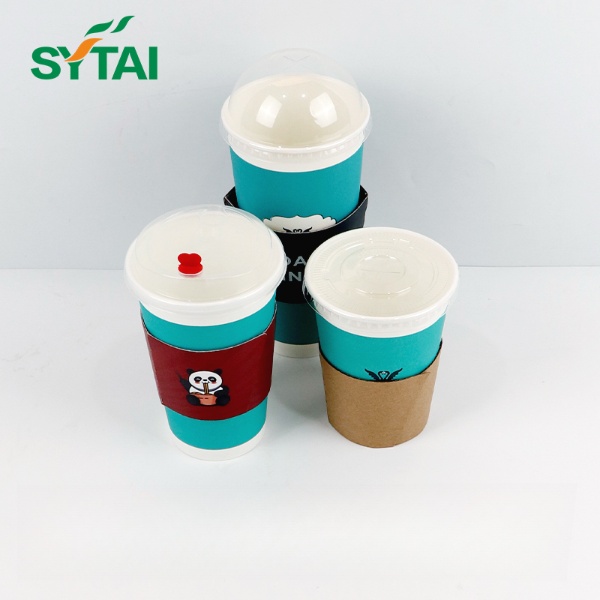
Single wall cup vs double wall cup: What is the difference?
Single wall paper cup vs double wall paper cup—what's the difference? Compare insulation, cost, sustainability, and find the best solution for your cafe, restaurant, or wholesale business. Expert B2B guide.
Industry News - August 23, 2026
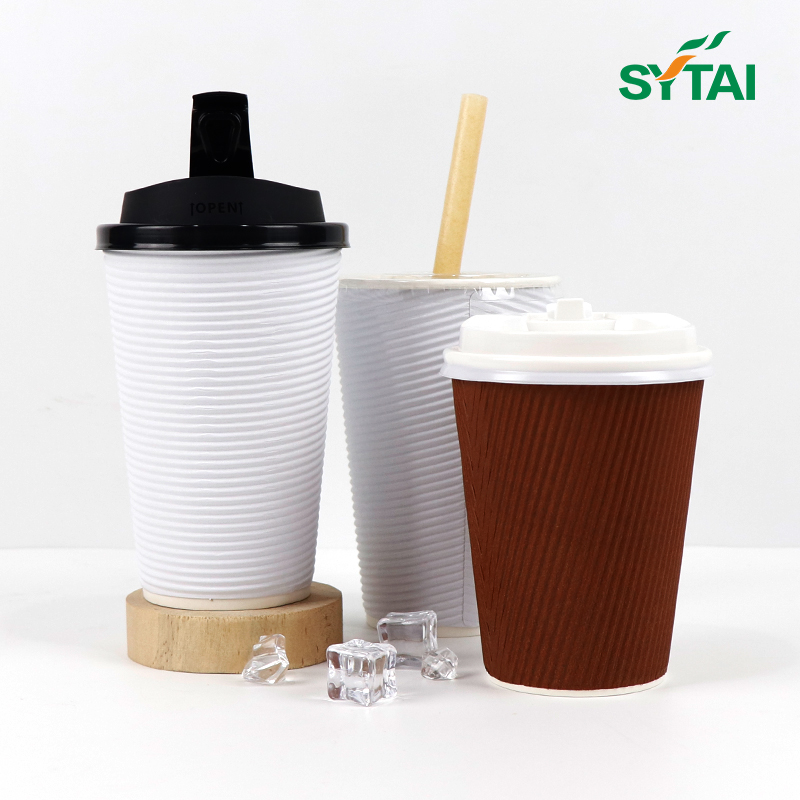
What are the benefits of ripple cups?Why We Use Ripple Cups?
Discover the benefits of ripple cups — superior insulation, secure grip, and no sleeves needed. Explore ripple wall paper cup types, uses, and sustainable solutions for coffee shops, cafés, and catering businesses. Find kraft ripple cups and disposable ripple coffee cups at wholesale prices.

Industry News - August 14, 2026
EU PPWR Regulation Enacted: Compliance Guide for Food Packaging Exporters
On August 12, 2026, the EU Packaging and Packaging Waste Regulation (PPWR, (EU) 2025/40) officially entered into full force.