


123123123
 123123123
What are kraft bowls made of?Are kraft bowls reusable?
2026-05-15
123123123
The Truth About Eco-friendly Kraft Paper Bowl Materials—Plus a Guide to Reuse
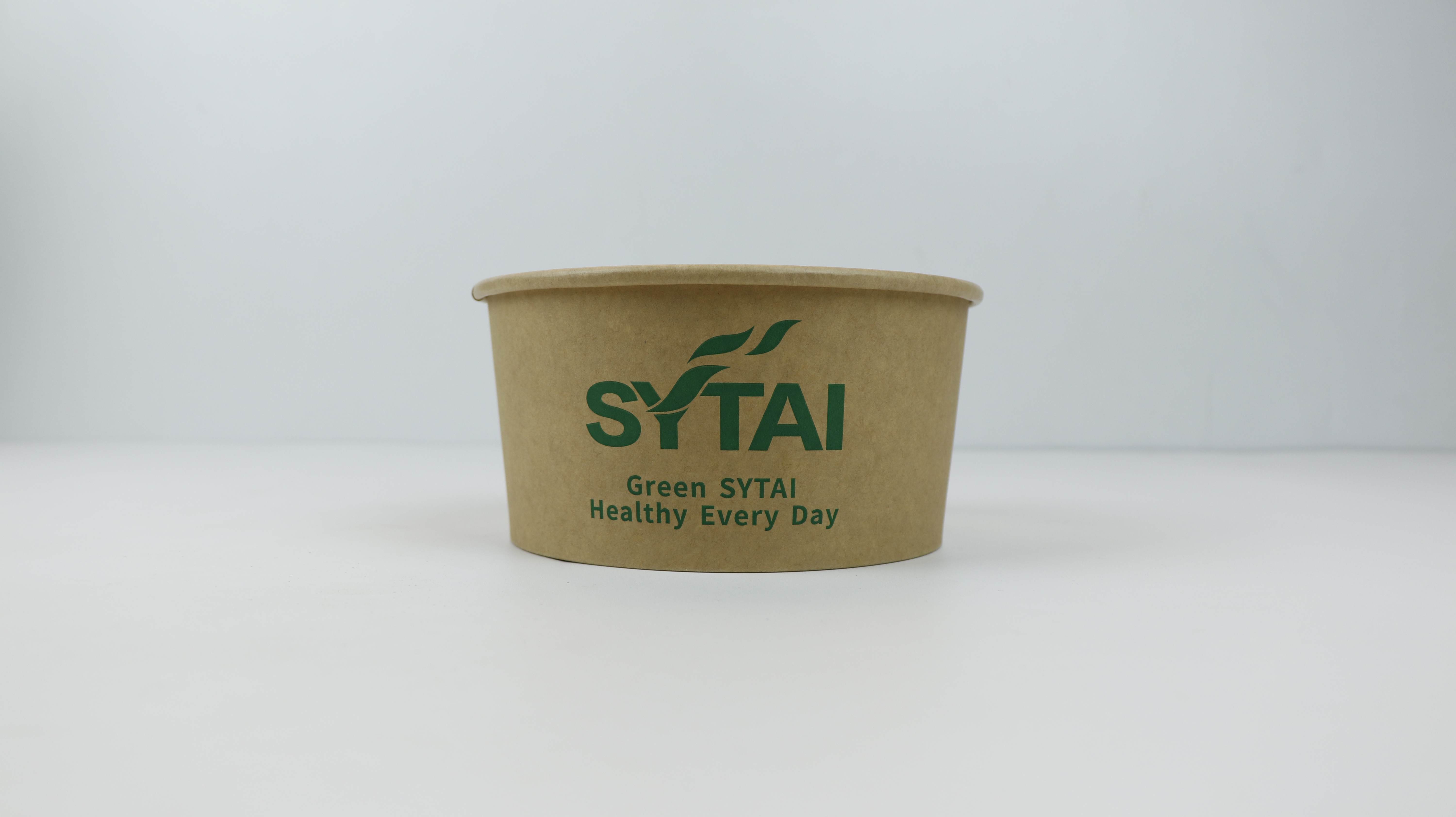
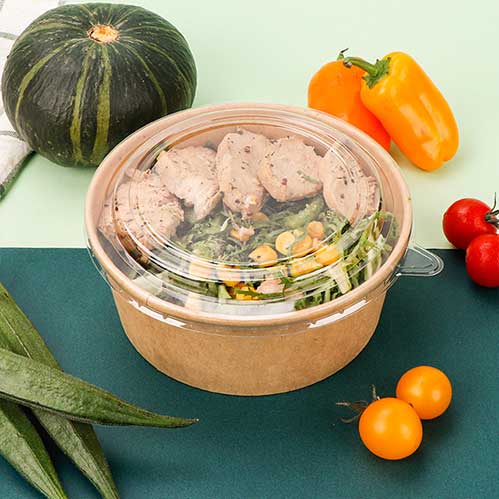
Driven by the dual forces of a global "plastic reduction" wave and the rising trend of eco-conscious consumption, eco-friendly Kraft paper bowls have emerged as the perfect alternative to plastic tableware, sweeping across the dining markets of Europe and North America.
As a B2B buyer, do you truly understand the "cutting-edge technology" hidden behind this seemingly simple little bowl? It is a matter that impacts not only your brand image but, more importantly, the fundamental baseline of food safety compliance.
Sytai offers you an in-depth breakdown of the manufacturing secrets behind Kraft paper salad bowls, while answering the question end-users care about most: Can these bowls actually be reused?
As a B2B buyer, do you truly understand the "cutting-edge technology" hidden behind this seemingly simple little bowl? It is a matter that impacts not only your brand image but, more importantly, the fundamental baseline of food safety compliance.
Sytai offers you an in-depth breakdown of the manufacturing secrets behind Kraft paper salad bowls, while answering the question end-users care about most: Can these bowls actually be reused?
What Is a Kraft Paper Bowl Made Of?
When we talk about Kraft paper bowls, don't let the name mislead you.
These are not merely ordinary writing papers; rather, they are safe containers—100% food-grade—that have undergone precise industrial processing.
These are not merely ordinary writing papers; rather, they are safe containers—100% food-grade—that have undergone precise industrial processing.
1. The Primary Base: Natural Virgin Wood Pulp
High-quality Kraft paper bowls are crafted from unbleached wood pulp. The fibers in this pulp are long and tough, endowing the bowl with exceptional tensile strength and burst resistance. Unlike the white paper we use in our daily lives, eco-friendly Kraft bowls retain the paper's natural brown hue (unbleached). This "natural color" not only creates a vintage, minimalist aesthetic but also minimizes the need for chemical bleaching processes, thereby reducing the risk of water pollution.
2. The "Invisible Armor": Oil- and Water-Resistant Protection
This constitutes the core of the technology. While ordinary paper softens when wet and becomes permeable when exposed to oil, the secret to how disposable Kraft bowls can hold soups and liquids lies in their lining technology:
PE (Polyethylene) Lining: The most common and cost-effective option. By applying a layer of food-grade PE film to the interior walls of the bowl, excellent leak-proof and oil-resistant properties are achieved.
PLA (Polylactic Acid) Lining: This represents a key trend in B2B export trade. Derived from bio-based sources such as corn starch, PLA is both compostable and fully biodegradable. For the EU market, this serves as a "passport" for navigating environmental trade barriers.
Water-based Coating: The latest plastic-free technology. An FDA-certified hydrophobic coating is applied directly to the paper surface, enabling the Kraft soup bowls to withstand high temperatures (up to 120°C) without releasing any harmful substances.
Keywords:Compostable Kraft Salad Bowl, PLA-Lined Biodegradable Paper Bowl,Food-Grade Waterproof Kraft Bowl
Can Kraft Paper Bowls Be Reused?
Sytai offers a definitive conclusion: These bowls are designed for single use, and repeated use is not recommended.
Although kraft paper bowls may appear sturdy—and some products offer an excellent tactile feel due to their rigidity—they are not engineered for long-term use.
1. Structural Degradation
The primary structural integrity of a kraft paper salad bowl is derived from its plant fibers. After a single use, exposure to moisture and food oils causes the fibrous structure to swell and soften.
Even with extra-thick kraft paper bowls, their wet-state strength diminishes significantly. Attempting to reuse them to hold hot foods or items containing liquids carries a risk of sudden leakage, which could result in burns.
Even with extra-thick kraft paper bowls, their wet-state strength diminishes significantly. Attempting to reuse them to hold hot foods or items containing liquids carries a risk of sudden leakage, which could result in burns.
2. Hygiene Risks
While the bowl itself is made of paper, the water-resistant lining on disposable kraft paper bowls is highly susceptible to damage during washing (particularly with standard PE-coated bowls, as opposed to those using PLA materials).
Once this coating is compromised, bacteria can rapidly proliferate within the damp paper fibers. This makes thorough cleaning virtually impossible, thereby preventing any guarantee of hygiene or safety for subsequent use.
Once this coating is compromised, bacteria can rapidly proliferate within the damp paper fibers. This makes thorough cleaning virtually impossible, thereby preventing any guarantee of hygiene or safety for subsequent use.
Keywords: Disposable Kraft Salad Bowl Wholesale, Heavy Duty Eco-Friendly Paper Bowls, Oil-Proof Takeaway Kraft Bowl
Why Choose Our Eco-Friendly Kraft Paper Bowls?
If you are looking for custom kraft paper bowls that are heat-resistant, leak-proof, and FSC-certified, Sytai is your ideal partner.
We fully understand the rigorous packaging requirements of international markets.
We fully understand the rigorous packaging requirements of international markets.
Our range of kraft paper salad bowls offers the following key advantages:
Superior Performance: Effortlessly handles takeout orders ranging from salads and sauces to even hot soups and noodles.
Temperature Versatility: Maintains its structural integrity—remaining sturdy and rigid—whether holding chilled salads or piping-hot meals.
Eco-Friendly Certification: We offer a comprehensive suite of solutions—from traditional PE coatings to fully biodegradable PLA options—to meet the diverse eco-conscious budgetary needs of our clients.
Superior Performance: Effortlessly handles takeout orders ranging from salads and sauces to even hot soups and noodles.
Temperature Versatility: Maintains its structural integrity—remaining sturdy and rigid—whether holding chilled salads or piping-hot meals.
Eco-Friendly Certification: We offer a comprehensive suite of solutions—from traditional PE coatings to fully biodegradable PLA options—to meet the diverse eco-conscious budgetary needs of our clients.
New - June 09, 2026
What is a paper bag with handles called?Guide to Paper Bag Handle Types
Paper bags have evolved beyond mere vessels for carrying purchases; they now serve as a tangible reflection of brand identity and a commitment to sustainability. Are you seeking a packaging solution that is durable enough for daily use while also elevating your brand's premium appeal?
New - June 05, 2026
What is the difference between hot paper cups and cold paper cups?
Confused between hot paper cups and cold paper cups? Discover the key differences in coating, thickness, and application. A must-read for B2B buyers sourcing wholesale disposable cups for food service businesses.

New - June 03, 2026
What Are Compostable Paper Bags?food paper bags be composted?
Wondering if food paper bags can be fully composted? Explore how high-performance paper bags for food packaging meet B2B compliance. Certified sustainable & durable.