PE Coating Film and PLA Coating Paper: from Traditional Waterproofing to A Green Packaging Option
 123123123
In the fields of food packaging and disposable catering supplies, laminated paper has always played a crucial role. Among them, PE lamination and PLA lamination are the two most representative technical routes currently available in the market. The differences in performance, cost and environmental attributes between the two are profoundly influencing the material selection strategies of enterprises.
What is PE laminated film?
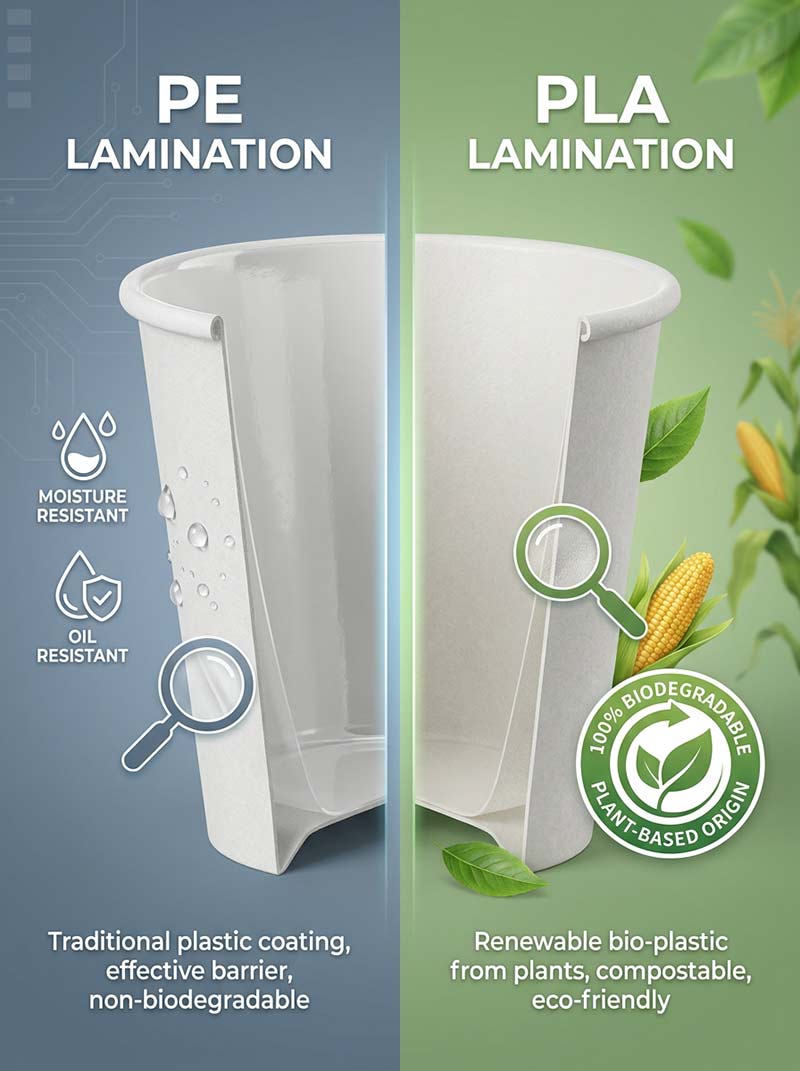
PE lamination refers to a technology where polyethylene (PE) is used as the raw material and a uniform film is formed on the surface of paper through an extrusion coating process. Polyethylene, as a thermoplastic resin, possesses excellent flexibility, water resistance, and chemical stability. After lamination treatment, the paper can effectively prevent moisture and oil from penetrating, significantly enhancing the durability and preservation ability of packaging products.
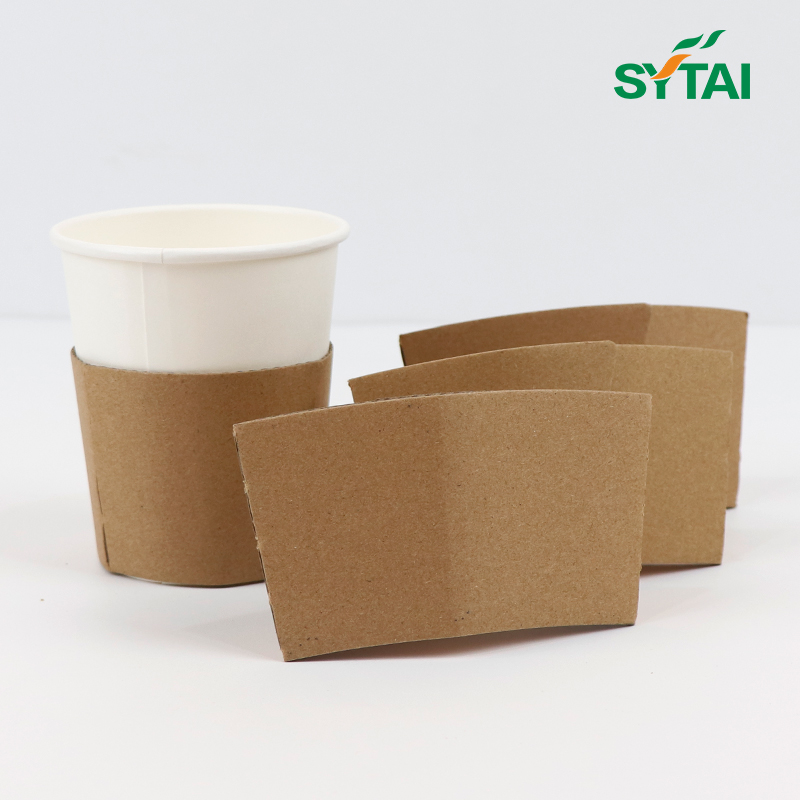
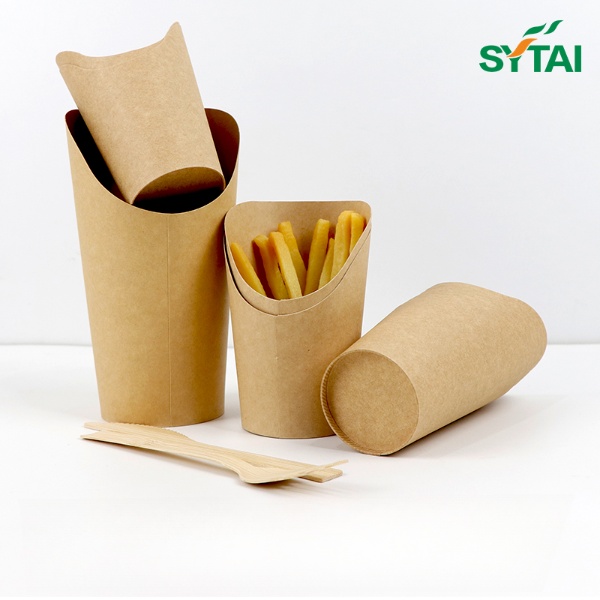
With its mature technology and stable performance, PE laminated paper is widely used in products such as paper cups, paper bowls, food packaging paper, and oil-proof paper bags. It is an important basic material in the traditional packaging industry.
The core difference between PE laminated paper and PLA laminated paper
As environmental protection regulations become increasingly strict, polylactic acid (PLA) lamination paper, as a biobased and degradable alternative, is gaining increasing market attention. The main differences between the two lie in the following three aspects:
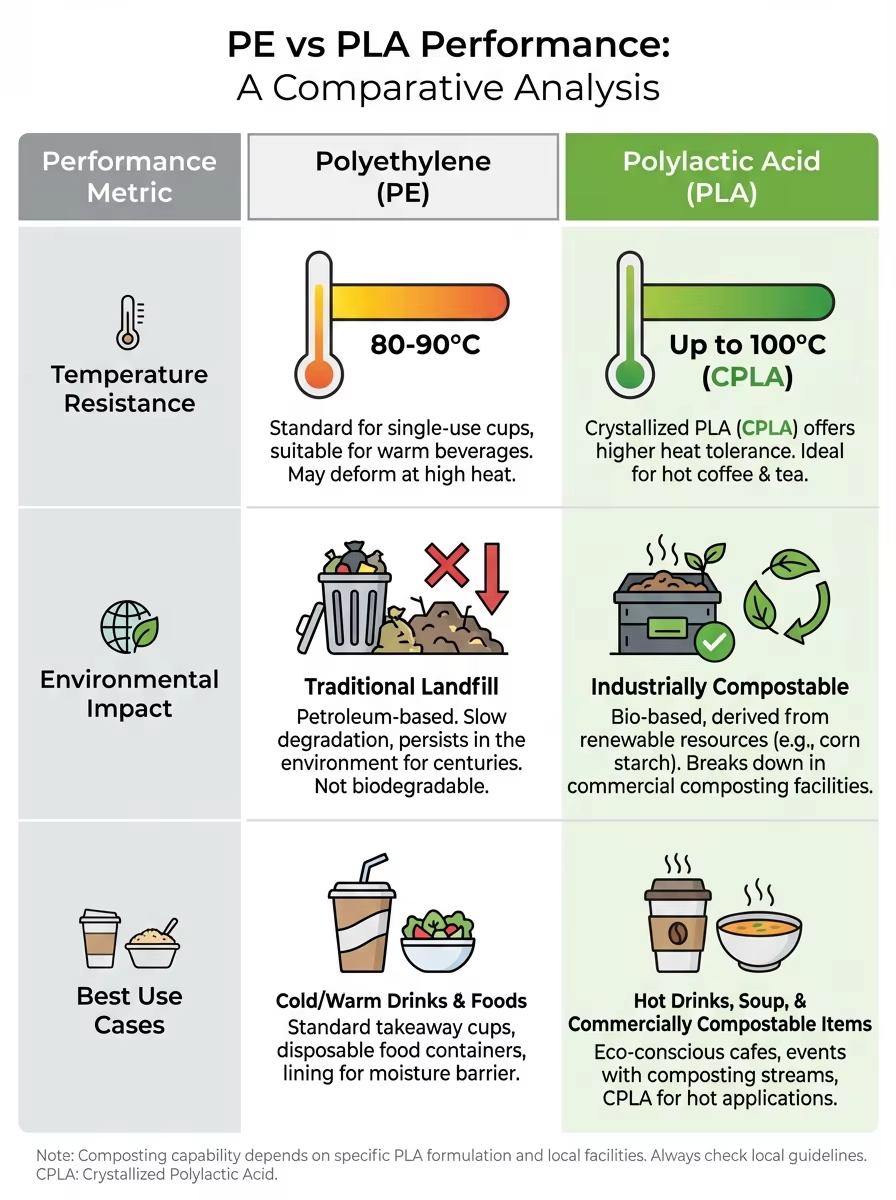
Source of materials and environmental performance
· PE laminated paper: Made from petroleum-based polyethylene, it is non-biodegradable. After disposal, it mainly relies on incineration or landfill for treatment. Long-term use will cause certain environmental burdens.
· PLA laminated paper: Made from renewable plant resources such as corn and sugar cane, it has excellent biodegradability. Under industrial composting conditions, it can be completely decomposed by microorganisms into carbon dioxide and water, having a smaller environmental impact.
Temperature resistance performance
· PE laminating paper: Generally can withstand temperatures ranging from 80°C to 90°C, capable of meeting the requirements of most normal temperature and medium-high temperature usage scenarios.
· PLA laminating paper: Ordinary PLA has a heat resistance of approximately 50°C to 60°C, while the modified crystalline PLA (CPLA) can increase the heat resistance to 85°C to 100°C, suitable for hot beverages, hot meals, etc. Both types of laminating papers have good low-temperature adaptability and can be used in refrigerated or frozen environments.
Application Areas and Costs
· PE laminated paper: It has mature technology and relatively low cost, and is still widely used in traditional fields such as food packaging, chemical industry, and healthcare.
· PLA laminated paper: Its performance is similar to that of PE laminated paper, and it also has environmental advantages. It is particularly suitable for markets like the EU, which have strict restrictions on disposable plastic products, as well as for high-end catering and brand packaging that emphasize sustainable image.

How to make the right choice?
Both PE-coated paper and PLA-coated paper have their respective applicable scenarios. The former continues to play a pivotal role in traditional industries due to its stable performance and relatively low cost; the latter, leveraging its renewable and degradable characteristics, has emerged as a robust candidate in the advancement of environmentally friendly packaging.
When enterprises select laminating materials, it is recommended to comprehensively consider the product usage scenarios, temperature resistance requirements, cost budget, and environmental compliance requirements. Looking to the future, with the continuous tightening of relevant policies and the continuous deepening of green consumption concepts, the application space of bio-based materials such as PLA laminating paper will further expand.