


123123123
 123123123
Sytai specializes in paper-based food packaging. We have seen countless procurement professionals agonize over materials and dimensions, and we have even witnessed cases where entire batches were returned due to the wrong choice of coating. Here, we break down exactly how to select the right takeaway noodle box.

How to Choose a Takeaway Noodle Box
2026-10-06
123123123
If you are a restaurant brand owner, a packaging procurement manager, or someone currently setting up a takeaway business, chances are you’ve spent an evening staring at your screen, searching for the answer to this question: How exactly do you choose a reliable paper noodle box for takeaway?
Sytai specializes in paper-based food packaging. We have seen countless procurement professionals agonize over materials and dimensions, and we have even witnessed cases where entire batches were returned due to the wrong choice of coating. Here, we break down exactly how to select the right takeaway noodle box.
Takeaway Noodle Box Material Types
Currently, the mainstream takeaway noodle boxes on the market are primarily made from two types of base materials: kraft paper and white paperboard.
Kraft paper offers a rustic, natural feel, making it ideal for food brands that emphasize "handmade" or "organic" qualities. White paperboard features a smoother surface and superior color reproduction, making it better suited for a more refined brand image.
Kraft paper offers a rustic, natural feel, making it ideal for food brands that emphasize "handmade" or "organic" qualities. White paperboard features a smoother surface and superior color reproduction, making it better suited for a more refined brand image.
The factor that truly determines whether a box can hold hot noodle soup is its inner coating. The three most common types are PE, PLA, and PP.
PE coatings are heat- and oil-resistant and cost-effective, making them the highest-volume option currently available, though they are not biodegradable. PLA coatings are derived from plant-based materials and are biodegradable under industrial composting conditions; many clients in Europe and the US specifically request this option. If you are targeting markets with strict environmental regulations—such as California or the EU—prioritize PLA or water-based coating solutions.
PE coatings are heat- and oil-resistant and cost-effective, making them the highest-volume option currently available, though they are not biodegradable. PLA coatings are derived from plant-based materials and are biodegradable under industrial composting conditions; many clients in Europe and the US specifically request this option. If you are targeting markets with strict environmental regulations—such as California or the EU—prioritize PLA or water-based coating solutions.
A practical tip: First, assess the temperature and oil content of your dish. Standard PE coating is sufficient for dry-tossed noodles, but if the dish includes broth or heavy chili oil, be sure to choose double-sided PE or a thicker coating; otherwise, leakage is highly likely.
How to Determine the Size? Don't Just Look at the Capacity Figure
Many buyers immediately ask, "Is 26oz big enough?" However, while capacity is one factor, the shape is another.
The classic Chinese noodle box features a folding paper design (often with a metal handle); its wide opening makes it ideal for mixed or stir-fried noodles. Round, bowl-shaped boxes offer better sealing, making them suitable for ramen or udon served in broth. Square boxes offer the highest stacking efficiency, making them perfect for high-volume operations at chain restaurants.
In terms of capacity, 8oz to 16oz sizes are suitable for small, single-serving portions; 22oz to 32oz are the standard sizes for most takeout orders; and anything over 32oz is generally intended for family-sized portions or group meals.
Before finalizing the size, we recommend doing a test run by filling the container with the actual dish to check for appropriate headspace. If it is too full, the noodles may get crushed; if there is too much empty space, the broth might splash around during transport.
Custom Printing and Minimum Order Quantity
The appeal of custom-printed noodle boxes is obvious: the moment customers open their takeout bag, they see your brand colors and logo rather than a plain, unbranded box. However, customization involves Minimum Order Quantities (MOQs) and plate-making costs.
Currently, industry MOQs vary widely, ranging from small-batch services starting at just 100 units to factory-direct models requiring orders of 50,000 units.
If your brand is just starting out and order volumes are low, you might begin with off-the-shelf kraft paper boxes and apply "light customization" using stickers or paper sleeves. You can consider full-color custom printing once your monthly consumption stabilizes at 3,000 to 5,000 units or more.
How to Screen Suppliers?
When selecting a supplier, price should be the final consideration, not the first.
You should prioritize three key factors: certifications, production capacity, and lead times.
You should prioritize three key factors: certifications, production capacity, and lead times.
Regarding certifications, verify at a minimum that the supplier holds FDA compliance for food contact materials and BRC or ISO food safety system certifications.
If you are sourcing eco-friendly products, BPI or EN13432 compostability certifications are also essential requirements. Production capacity and lead times directly impact your operational workflow—a factory with a monthly output of 5 million units will perform very differently from a small workshop producing 500,000 units when handling a surge of orders during peak season.
Leading suppliers typically offer lead times of around 30 days and a 7-business-day turnaround for samples; these details should be clearly stipulated in the contract before you place an order.
If you are sourcing eco-friendly products, BPI or EN13432 compostability certifications are also essential requirements. Production capacity and lead times directly impact your operational workflow—a factory with a monthly output of 5 million units will perform very differently from a small workshop producing 500,000 units when handling a surge of orders during peak season.
Leading suppliers typically offer lead times of around 30 days and a 7-business-day turnaround for samples; these details should be clearly stipulated in the contract before you place an order.
One often-overlooked step is to ask the supplier for samples to conduct actual food-filling tests. No matter how impressive the technical specifications of the paper box may look on paper, nothing beats a real-world test using your signature dish to evaluate seal integrity and structural durability.

What materials and sizes do you currently use for your takeout noodle boxes? Have you ever encountered issues like oil leakage or box deformation?
Feel free to share your specific usage scenarios in the comments section, and Sytai will provide tailored recommendations for your selection.
Feel free to share your specific usage scenarios in the comments section, and Sytai will provide tailored recommendations for your selection.
Industry News - September 28, 2026
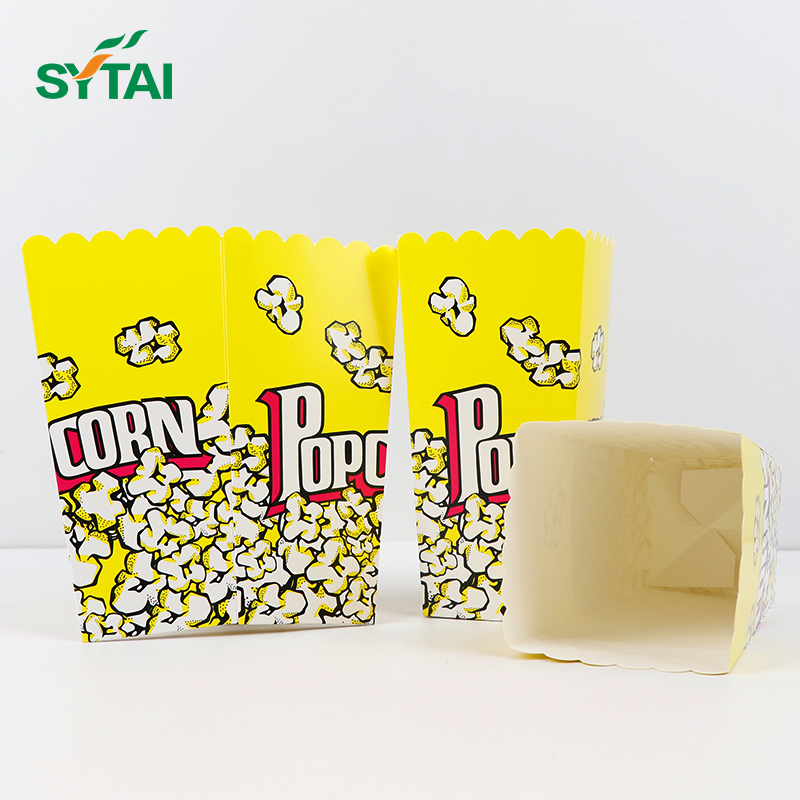
Custom Popcorn Buckets: A Guide to Choosing Packaging
From materials, dimensions, and printing to supplier selection, we help you fully clarify the procurement process for custom popcorn buckets.

Industry News - September 24, 2026
Analysis of China's Paper Tableware Export Share in 2026
An in-depth look at China's paper tableware export share in 2026, including an analysis of export destinations and industry development trends.

Industry News - September 19, 2026
Are PLA straws compostable? Is PLA 100% biodegradable?
Are PLA Straws Truly Compostable? The Truth About Biodegradability and a Buying Guide for B2B Buyers in 2026.