


123123123
 123123123
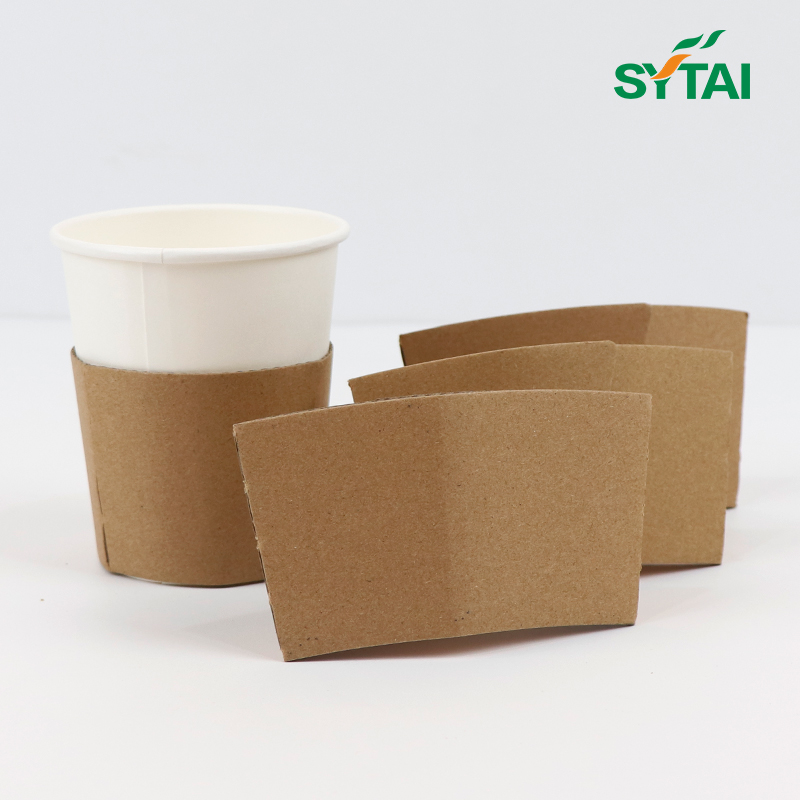
Essentially a paper band wrapped around the exterior of a cup, it offers thermal protection and a non-slip grip while serving as a canvas for branding; it is one of the most affordable and frequently used disposable items for takeaway coffee, milk tea, and other hot beverages.
This article first explains what a paper cup sleeve is and what it does, then details the materials, specifications, selection criteria, usage scenarios, and common pitfalls to avoid when purchasing.
Grip Experience and "Instagrammability"
In the age of social media, the cup sleeve is an integral part of the product itself. Exquisite patterns, exclusive collaborations, and holiday themes—these design elements directly influence whether customers are willing to take and share photos.
What is a paper cup sleeve? What is a cup sleeve used for?
2026-10-13
123123123
If you are looking for an accessory that slips over a cup to provide heat insulation and a space for a logo, what you need is a paper cup sleeve.
Essentially a paper band wrapped around the exterior of a cup, it offers thermal protection and a non-slip grip while serving as a canvas for branding; it is one of the most affordable and frequently used disposable items for takeaway coffee, milk tea, and other hot beverages.
This article first explains what a paper cup sleeve is and what it does, then details the materials, specifications, selection criteria, usage scenarios, and common pitfalls to avoid when purchasing.
What is a paper cup sleeve?
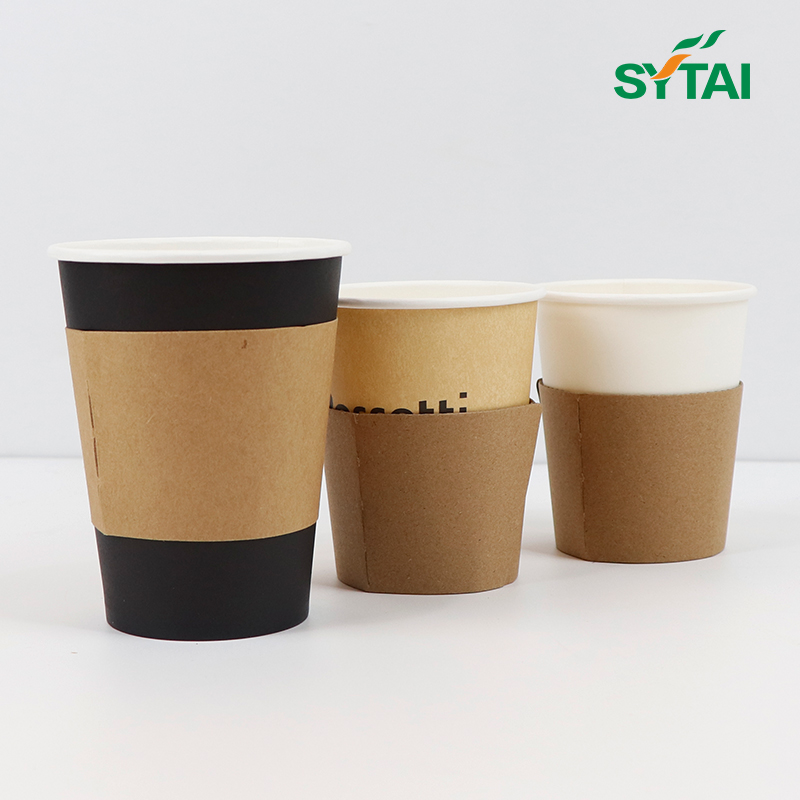
A "paper cup sleeve"—also known as a cup sleeve, coffee sleeve, or cup jacket—refers to the same item: a conical or cylindrical paper band, open at both ends, designed to fit around the middle of a disposable cup.
Since it comes into contact with the user's hand rather than the beverage itself, its primary function is that of an "ergonomic accessory" and "mobile advertising space" rather than a packaging container. This distinction is crucial for procurement strategy: a sleeve does not require waterproof sealing capabilities, but it must possess structural rigidity, a clean printing surface, and an inner diameter that precisely matches the cup.
Since it comes into contact with the user's hand rather than the beverage itself, its primary function is that of an "ergonomic accessory" and "mobile advertising space" rather than a packaging container. This distinction is crucial for procurement strategy: a sleeve does not require waterproof sealing capabilities, but it must possess structural rigidity, a clean printing surface, and an inner diameter that precisely matches the cup.
How do they differ from double-wall and ripple-wall cups?
These three types of solutions are the ones beginners most often confuse.
Double-wall paper cups feature two layers of paper bonded together during formation, creating a built-in air insulation layer;
ripple-wall paper cups have a corrugated structure pressed into the exterior wall, relying on the textured surface for insulation;
whereas the "cup-plus-sleeve" approach involves manufacturing and stocking the cup and the protective sleeve separately.
The key differences lie in flexibility and inventory costs: if you plan to launch five or six rounds of holiday-themed designs a year, the sleeve approach allows you to simply swap the sleeves while continuing to use a standard, generic cup, preventing an explosion in inventory SKUs;
in contrast, with double-wall and ripple-wall cups, the design is printed directly onto the cup body, meaning every design change requires producing an entirely new batch of cups.
This is precisely why major coffee chains almost always opt for the "generic cup plus custom sleeve" combination during promotional seasons.
Double-wall paper cups feature two layers of paper bonded together during formation, creating a built-in air insulation layer;
ripple-wall paper cups have a corrugated structure pressed into the exterior wall, relying on the textured surface for insulation;
whereas the "cup-plus-sleeve" approach involves manufacturing and stocking the cup and the protective sleeve separately.
The key differences lie in flexibility and inventory costs: if you plan to launch five or six rounds of holiday-themed designs a year, the sleeve approach allows you to simply swap the sleeves while continuing to use a standard, generic cup, preventing an explosion in inventory SKUs;
in contrast, with double-wall and ripple-wall cups, the design is printed directly onto the cup body, meaning every design change requires producing an entirely new batch of cups.
This is precisely why major coffee chains almost always opt for the "generic cup plus custom sleeve" combination during promotional seasons.
What is a cup sleeve used for?
Heat Insulation and Anti-Scalding: Eliminating "Too Hot to Handle" Complaints
Hot beverages are typically served at temperatures between 75°C and 90°C; with a standard single-coated paper cup, the exterior temperature in this range is high enough to make someone instinctively pull their hand away.
Adding a paper sleeve creates a layer of still air and fiber between the hand and the cup wall, lowering the contact temperature to a level comfortable for prolonged holding. This isn't just a "nice-to-have" extra—complaints about cups being "too hot to hold" appear frequently on food delivery platforms, yet this issue can be resolved with an accessory costing mere cents.
Adding a paper sleeve creates a layer of still air and fiber between the hand and the cup wall, lowering the contact temperature to a level comfortable for prolonged holding. This isn't just a "nice-to-have" extra—complaints about cups being "too hot to hold" appear frequently on food delivery platforms, yet this issue can be resolved with an accessory costing mere cents.
Condensation Control and Non-Slip Grip: Essential for Iced Drinks Too
Many assume cup sleeves are only for hot drinks, but they are actually even more necessary for cold ones. Condensation forms on the walls of cups containing iced beverages, leading to common issues like slippery grips, water rings on tables, and soggy napkins. In this context, the paper sleeve serves to absorb moisture and improve grip.
Many assume cup sleeves are only for hot drinks, but they are actually even more necessary for cold ones. Condensation forms on the walls of cups containing iced beverages, leading to common issues like slippery grips, water rings on tables, and soggy napkins. In this context, the paper sleeve serves to absorb moisture and improve grip.
Brand Exposure: Those Three Minutes in Line Are Prime Real Estate
Cup sleeves are among the few printed mediums that consumers actively gaze at; whether waiting for an order, walking, or taking photos, the sleeve remains within their field of vision. Despite their extremely low unit cost, they cover the entire takeaway journey. For chain brands, a cup sleeve featuring a full-surface design often offers better cost-effectiveness than a storefront poster.
Cup sleeves are among the few printed mediums that consumers actively gaze at; whether waiting for an order, walking, or taking photos, the sleeve remains within their field of vision. Despite their extremely low unit cost, they cover the entire takeaway journey. For chain brands, a cup sleeve featuring a full-surface design often offers better cost-effectiveness than a storefront poster.
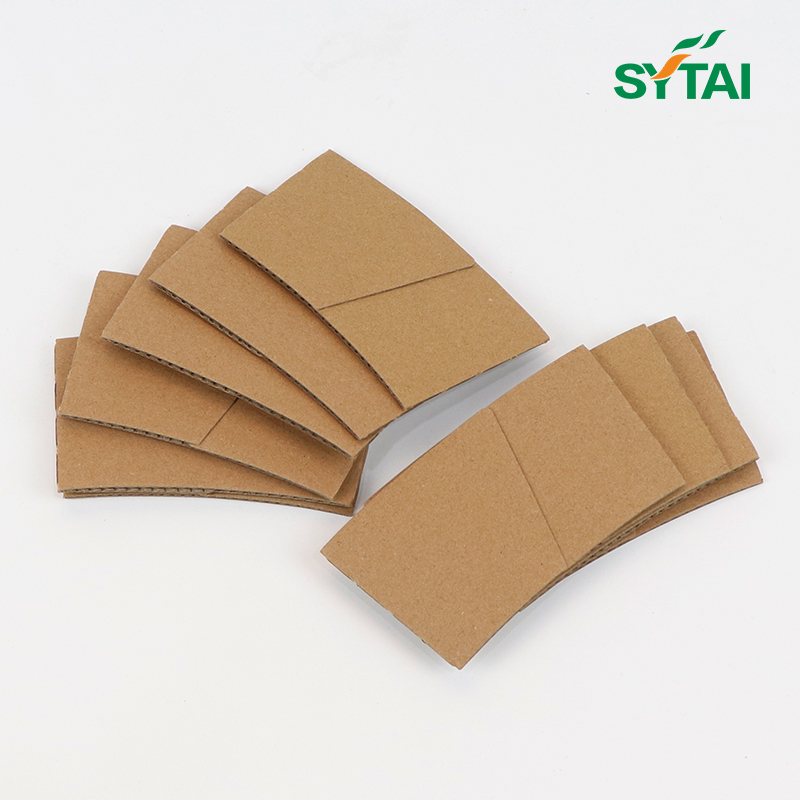
Grip Experience and "Instagrammability"
In the age of social media, the cup sleeve is an integral part of the product itself. Exquisite patterns, exclusive collaborations, and holiday themes—these design elements directly influence whether customers are willing to take and share photos.
Material types for paper cup sleeves
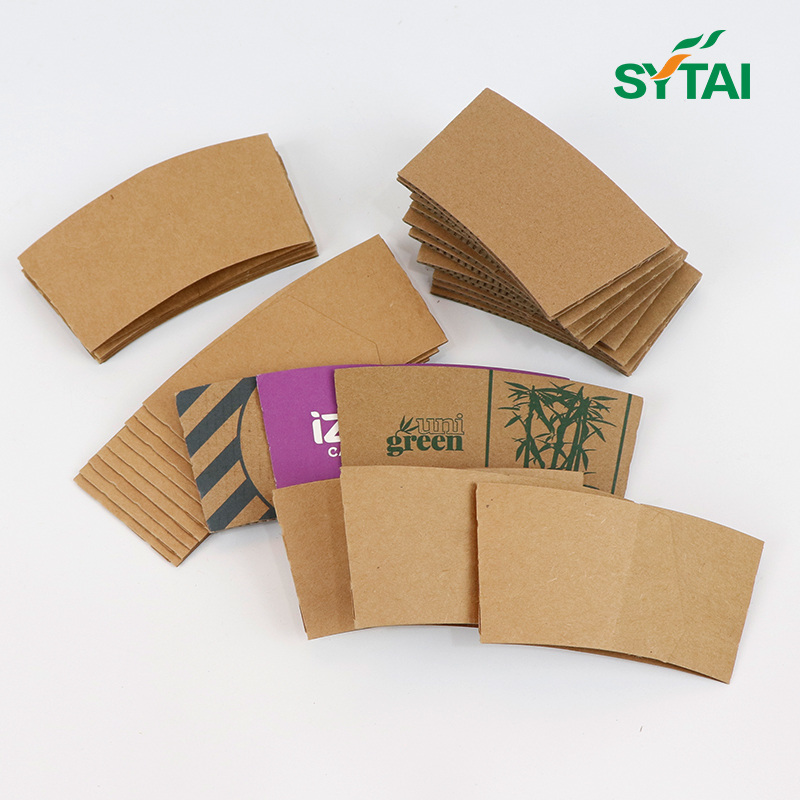
**Flat-finish Kraft Paper**
The most common and economical option. It features a natural brownish hue and a rustic texture; it delivers a clean look with single-color printing, making it the preferred choice for specialty coffee shops aiming for a specific aesthetic.
The most common and economical option. It features a natural brownish hue and a rustic texture; it delivers a clean look with single-color printing, making it the preferred choice for specialty coffee shops aiming for a specific aesthetic.
**White Paperboard**
Characterized by high surface whiteness and smoothness, it is ideal for detailed four-color graphics and light-colored designs. A downside is that it easily shows stains if exposed to water after printing, so caution is advised for cold beverage applications.
Characterized by high surface whiteness and smoothness, it is ideal for detailed four-color graphics and light-colored designs. A downside is that it easily shows stains if exposed to water after printing, so caution is advised for cold beverage applications.
**Bamboo Paper**
The fastest-growing substrate in recent years, marketed on an eco-friendly narrative of renewability and rapid growth cycles. It offers strong fiber resilience and a natural color. It is well-suited for brands emphasizing sustainability, though the cost is slightly higher than standard kraft paper.
The fastest-growing substrate in recent years, marketed on an eco-friendly narrative of renewability and rapid growth cycles. It offers strong fiber resilience and a natural color. It is well-suited for brands emphasizing sustainability, though the cost is slightly higher than standard kraft paper.
**Corrugated / Ripple Paper**
Features a corrugated structure pressed between two layers of paper, utilizing an air gap for insulation; this offers the best thermal protection, resulting in a noticeably cooler feel when held. The trade-offs are increased thickness and a printing surface that is less smooth than flat paper, which can slightly compromise the rendering of intricate patterns.
Features a corrugated structure pressed between two layers of paper, utilizing an air gap for insulation; this offers the best thermal protection, resulting in a noticeably cooler feel when held. The trade-offs are increased thickness and a printing surface that is less smooth than flat paper, which can slightly compromise the rendering of intricate patterns.
Lamination and Coating: How to Choose Between PE, PLA, and Water-based Coatings
| Solution | Characteristics | Use Cases | Cost |
| PE Coating | Mature, stable, and water-resistant | Standard hot beverages; cost-sensitive projects | Low |
| PLA Coating | Plant-based and compostable | US and European markets prioritizing biodegradability | Medium |
| Water-based Coating | Plastic-free; recyclable into pulp | Markets with strict plastic-ban regulations | Medium-High |
| Uncoated | Purest paper feel | Dry environments; short-term use | Lowest |
Sytai’s sustainable packaging solutions center on PLA, water-based coatings, and plant-based materials, allowing us to tailor the right combination to meet the regulatory requirements of your target markets.
How do you choose sleeves for hot cups?
Matching Size to Cup Type
First, measure the outer diameter of the cup rim, then select the sleeve based on its inner diameter. Standard industry correspondences are roughly: 8oz (~80mm), 12oz (~90mm), 16oz (~90–95mm), and 20oz (~95–100mm). However, as mold specifications vary between factories, always verify fitment with actual samples. A sleeve that is too loose will slip off, while one that is too tight won't fit; both issues directly impact the speed of service at the store.
First, measure the outer diameter of the cup rim, then select the sleeve based on its inner diameter. Standard industry correspondences are roughly: 8oz (~80mm), 12oz (~90mm), 16oz (~90–95mm), and 20oz (~95–100mm). However, as mold specifications vary between factories, always verify fitment with actual samples. A sleeve that is too loose will slip off, while one that is too tight won't fit; both issues directly impact the speed of service at the store.
Basis Weight and Rigidity (GSM)
A higher basis weight (GSM) is not necessarily better. 210–250 GSM is suitable for economical, plain-style sleeves; 250–300 GSM suits premium branding requiring a stiff, structured feel; and weights above 300 GSM are typically used for corrugated structures. A high GSM rating means little if fiber quality is poor—the sleeve may still collapse or feel flimsy—so evaluate the physical product's resilience rather than relying solely on numbers.
A higher basis weight (GSM) is not necessarily better. 210–250 GSM is suitable for economical, plain-style sleeves; 250–300 GSM suits premium branding requiring a stiff, structured feel; and weights above 300 GSM are typically used for corrugated structures. A high GSM rating means little if fiber quality is poor—the sleeve may still collapse or feel flimsy—so evaluate the physical product's resilience rather than relying solely on numbers.
Printing Process and Color Accuracy
Offset printing is ideal for large-area, four-color gradients, whereas flexographic printing suits high-volume orders featuring solid colors or a limited number of spot colors. Request proofs before placing an order, paying close attention to the uniformity of full-coverage dark areas and any color deviation between spot colors and your brand standards.
Offset printing is ideal for large-area, four-color gradients, whereas flexographic printing suits high-volume orders featuring solid colors or a limited number of spot colors. Request proofs before placing an order, paying close attention to the uniformity of full-coverage dark areas and any color deviation between spot colors and your brand standards.
Food Contact Compliance and Certification
Although cup sleeves do not come into direct contact with the beverage, they touch hands and tabletops; export markets often require declarations regarding food-contact materials and relevant test reports. Requesting the necessary compliance documentation for your target market directly from the supplier before ordering is the most efficient way to mitigate customs clearance risks.
Although cup sleeves do not come into direct contact with the beverage, they touch hands and tabletops; export markets often require declarations regarding food-contact materials and relevant test reports. Requesting the necessary compliance documentation for your target market directly from the supplier before ordering is the most efficient way to mitigate customs clearance risks.
Packaging and Warehousing
Cup sleeves are bulky items; loose packing results in unnecessary shipping costs. Require suppliers to pack sleeves flat and tightly compressed, and confirm the quantity per carton to ensure the shipment's value isn't eroded by high volume-based freight costs. Additionally, ensure humidity control in the warehouse, as moisture exposure causes paper sleeves to lose their rigidity.
Cup sleeves are bulky items; loose packing results in unnecessary shipping costs. Require suppliers to pack sleeves flat and tightly compressed, and confirm the quantity per carton to ensure the shipment's value isn't eroded by high volume-based freight costs. Additionally, ensure humidity control in the warehouse, as moisture exposure causes paper sleeves to lose their rigidity.
Service Efficiency
For chain stores, the ability to quickly slip the sleeve onto the cup with one hand is more important than the visual appeal of the design. When sampling, it is advisable to have store staff test the sleeves under simulated peak-hour service conditions.
For chain stores, the ability to quickly slip the sleeve onto the cup with one hand is more important than the visual appeal of the design. When sampling, it is advisable to have store staff test the sleeves under simulated peak-hour service conditions.
Supplier Responsiveness
Speed of prototyping, willingness to accommodate revisions, and responsiveness regarding replacement shipments for issues—these three factors are better predictors of the long-term collaboration experience than the price quote itself.
Speed of prototyping, willingness to accommodate revisions, and responsiveness regarding replacement shipments for issues—these three factors are better predictors of the long-term collaboration experience than the price quote itself.
Usage scenarios for disposable cup sleeves
Chain coffee and milk tea shops: These represent the highest volume of cup sleeve consumption, driven by daily necessity. A rolling quarterly inventory strategy is recommended: maintain a baseline stock of generic, solid-colored sleeves while switching to custom-printed versions for holidays or brand collaborations. This prevents stockouts during peak seasons and excess inventory during off-peak periods.
Convenience store and gas station hot beverage sections: Customer demand spans both hot and iced drinks, so a single specification won't suffice. A safe approach is to stock both smooth and corrugated sleeves—using corrugated for hot drinks and absorbent smooth sleeves for iced drinks—while ensuring shelf labeling matches the product to minimize the risk of staff selecting the wrong type.
Takeout breakfast spots and bakeries: Cup sleeves are rarely purchased in isolation; they are usually ordered alongside paper food bags and cup carriers. Aligning the visual design across these three items ensures that the complete package carried out by the customer serves as a comprehensive brand showcase.
Conference rooms and office settings: The priority here is cost control and supply stability. Generic, solid-colored sleeves in standard sizes, replenished on schedule, are sufficient; there is no need to commission custom molds for short-term usage.
Exhibitions, sporting events, and corporate functions: These involve concentrated usage over short periods and require high brand visibility, making custom-logo sleeves the ideal choice. For such projects, it is crucial to work backward from the event date, factoring in time for sample approval and logistics.
Food delivery and courier services: The primary challenges are not aesthetics, but slip resistance and condensation management. Since delivery riders handle cups with one hand and customers often drink while walking, sleeves that are too thin can easily slip off; therefore, sufficient material weight and friction are essential.
Convenience store and gas station hot beverage sections: Customer demand spans both hot and iced drinks, so a single specification won't suffice. A safe approach is to stock both smooth and corrugated sleeves—using corrugated for hot drinks and absorbent smooth sleeves for iced drinks—while ensuring shelf labeling matches the product to minimize the risk of staff selecting the wrong type.
Takeout breakfast spots and bakeries: Cup sleeves are rarely purchased in isolation; they are usually ordered alongside paper food bags and cup carriers. Aligning the visual design across these three items ensures that the complete package carried out by the customer serves as a comprehensive brand showcase.
Conference rooms and office settings: The priority here is cost control and supply stability. Generic, solid-colored sleeves in standard sizes, replenished on schedule, are sufficient; there is no need to commission custom molds for short-term usage.
Exhibitions, sporting events, and corporate functions: These involve concentrated usage over short periods and require high brand visibility, making custom-logo sleeves the ideal choice. For such projects, it is crucial to work backward from the event date, factoring in time for sample approval and logistics.
Food delivery and courier services: The primary challenges are not aesthetics, but slip resistance and condensation management. Since delivery riders handle cups with one hand and customers often drink while walking, sleeves that are too thin can easily slip off; therefore, sufficient material weight and friction are essential.
Sytai is an enterprise covering the entire industry chain, centered on food packaging containers and committed to eco-friendly, biodegradable solutions. Our operations span R&D, production, sales, and service—integrating everything from base paper and cup blanks to forming, coating, and printing into a seamless, end-to-end process.
This means the cup sleeves you need today can be ordered alongside our disposable paper cups, lids, and carriers in a single batch—ensuring consistent designs, matching production lots, and consolidated logistics.
This means the cup sleeves you need today can be ordered alongside our disposable paper cups, lids, and carriers in a single batch—ensuring consistent designs, matching production lots, and consolidated logistics.
Industry News - October 06, 2026
How to Choose a Takeaway Noodle Box
A comprehensive guide to materials, sizes, and purchasing—covering everything from material types and dimensions to custom printing and supplier evaluation.
Industry News - September 28, 2026
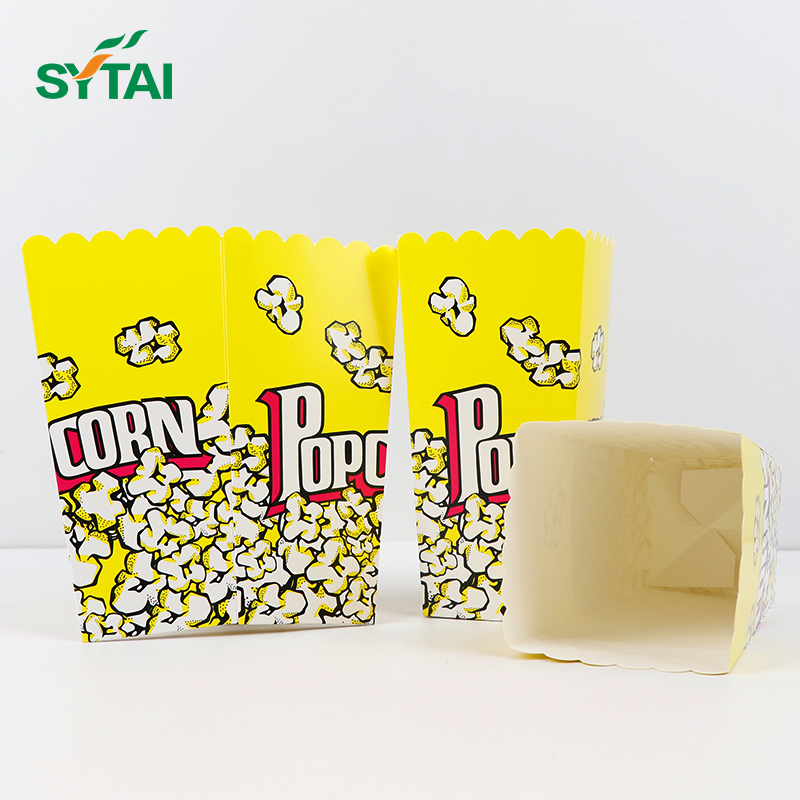
Custom Popcorn Buckets: A Guide to Choosing Packaging
From materials, dimensions, and printing to supplier selection, we help you fully clarify the procurement process for custom popcorn buckets.

Industry News - September 24, 2026
Analysis of China's Paper Tableware Export Share in 2026
An in-depth look at China's paper tableware export share in 2026, including an analysis of export destinations and industry development trends.