


123123123
 123123123
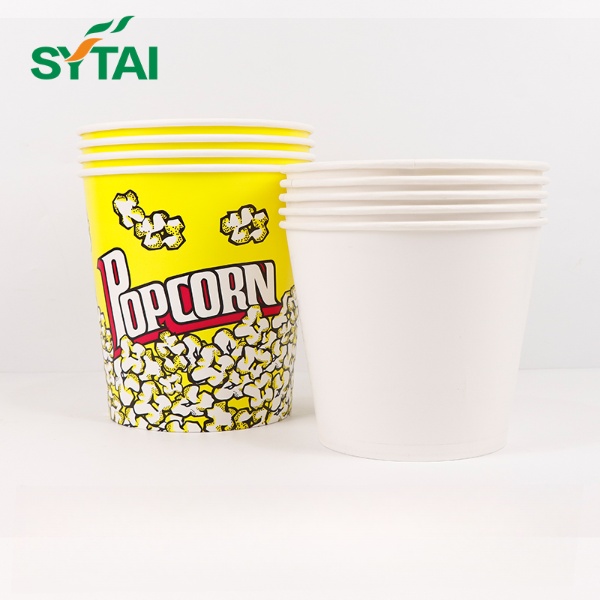

Popcorn is naturally oily. Without a suitable barrier coating, butter and oils can seep into the paper fibers, causing unsightly grease stains; more seriously, the container body may gradually soften or even fail.
The most common solution is PE (polyethylene) coating. A single-sided PE coating (applied only to the interior) is the standard configuration, providing grease resistance without compromising the print quality on the exterior.
Custom Popcorn Buckets: A Guide to Choosing Packaging
2026-09-28
123123123
If you are responsible for procurement—whether for cinemas, event planning, or brand packaging—you have likely faced this dilemma: choosing cheap paper buckets risks oil leaks and structural collapse, while opting for premium ones might exceed your budget.
What makes it even more frustrating is the sheer number of suppliers offering "custom popcorn buckets." Quotes range from just a few cents to several yuan, yet the actual samples often disappoint—featuring blurry printing, flimsy bodies, and oil seepage before the bucket is even full.
This article breaks down the procurement process for custom popcorn buckets—covering everything from materials, sizes, and printing to supplier selection—to help you make sense of it all.
1. Paper drums, plastic drums, or iron cans? First, clarify your use case.
The choice of material for popcorn buckets is essentially determined by the intended usage scenario.
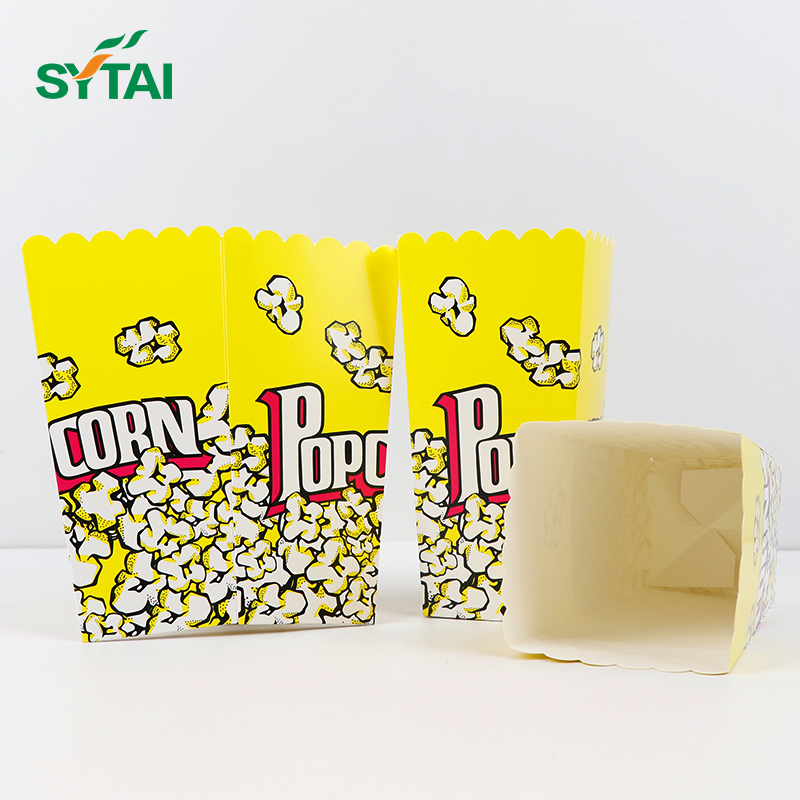
Food-grade paper popcorn buckets are currently the mainstream choice for cinemas and events. Three types of base materials are commonly used in the industry:
White paperboard features a smooth surface suitable for high-definition, full-color printing, making it the standard choice for premium, custom-designed buckets;
Kraft paperboard offers a natural, eco-friendly aesthetic, making it ideal for brands emphasizing sustainability;
Double-sided coated white board serves as a compromise, maintaining structural rigidity while keeping costs down. Regarding paper weight: small buckets (32–46 oz) typically use 210–260 gsm stock; medium-to-large buckets (64–85 oz) require 260–300 gsm; and "family-size" buckets (over 130 oz) should use 300–350 gsm or heavier to prevent deformation when held with one hand.
Kraft paperboard offers a natural, eco-friendly aesthetic, making it ideal for brands emphasizing sustainability;
Double-sided coated white board serves as a compromise, maintaining structural rigidity while keeping costs down. Regarding paper weight: small buckets (32–46 oz) typically use 210–260 gsm stock; medium-to-large buckets (64–85 oz) require 260–300 gsm; and "family-size" buckets (over 130 oz) should use 300–350 gsm or heavier to prevent deformation when held with one hand.
Plastic buckets (made of PP or PS) are marketed for their reusability, making them suitable for theme parks, IP-branded collaborations, and other scenarios where consumers might want to take the bucket home for continued use. Designs featuring lids and handles enhance portability and make the buckets more likely to be kept by consumers as souvenirs.
Metal tins are positioned as collectible or gift items. Offering excellent airtightness and a premium feel, they are well-suited for holiday gift sets or limited-edition products; however, they typically come with higher minimum order quantities (MOQs), usually starting at 5,000 units.
2. Choosing the Wrong Size Leads to Endless Headaches
Many novice buyers place orders simply based on "Small, Medium, and Large" sizes, only to discover that the capacity of a "Large" bucket varies by nearly 100% between suppliers. Common industry specifications range from 16 to 170 ounces: 16–46 ounces are suitable for single servings; 64–85 ounces represent the standard family size found in movie theaters; and 120–170 ounces are designed for group sharing.
However, "nominal capacity" and "actual fill volume" are often not the same thing. Some manufacturers measure capacity to the rim of the bucket, while others measure to a recommended fill line; consequently, buckets with the same nominal rating may differ in actual popcorn capacity by as much as a handful or two. Before placing an order, be sure to request a technical data sheet from the supplier to verify the actual measured capacity, the recommended fill line, and the dimensions of the top and bottom openings.
3. Oil-resistant coating—a critical detail easily overlooked

Popcorn is naturally oily. Without a suitable barrier coating, butter and oils can seep into the paper fibers, causing unsightly grease stains; more seriously, the container body may gradually soften or even fail.
The most common solution is PE (polyethylene) coating. A single-sided PE coating (applied only to the interior) is the standard configuration, providing grease resistance without compromising the print quality on the exterior.
Double-sided PE coating is required if the product needs refrigeration or if the exterior is likely to come into contact with grease. In recent years, PLA (polylactic acid) coating has gained popularity; derived from renewable plant resources and compostable, it is an ideal choice for brands seeking eco-friendly certification.
However, PLA’s heat and grease resistance are slightly inferior to those of PE. If your popcorn is packaged immediately after preparation while still hot, you should verify with your supplier whether a PLA coating is suitable.
However, PLA’s heat and grease resistance are slightly inferior to those of PE. If your popcorn is packaged immediately after preparation while still hot, you should verify with your supplier whether a PLA coating is suitable.
4. Custom Printing: Turn every bucket into a mobile billboard.
A well-designed, personalized popcorn bucket offers marketing value that far exceeds the packaging itself, thanks to its sustained exposure in cinema lobbies, on social media, and in consumers' homes.
Regarding printing techniques, offset printing is ideal for large-volume orders, offering high color fidelity and crisp detail;
Flexographic printing is more cost-effective, making it suitable for mass-produced products in the mid-to-low price range. Both methods support CMYK combined with Pantone spot colors, allowing for up to six-color printing.
Surface finish options include glossy or matte lamination; glossy finishes yield more vibrant colors, while matte finishes offer a premium feel and reduce glare from lighting that might otherwise obscure the design.
Flexographic printing is more cost-effective, making it suitable for mass-produced products in the mid-to-low price range. Both methods support CMYK combined with Pantone spot colors, allowing for up to six-color printing.
Surface finish options include glossy or matte lamination; glossy finishes yield more vibrant colors, while matte finishes offer a premium feel and reduce glare from lighting that might otherwise obscure the design.
Design considerations include applying arc compensation to the graphics on the tapered bucket body to prevent distortion during printing. Additionally, for co-branded designs, sufficient space must be reserved to showcase brand elements effectively.
5. Where else can you use your popcorn bucket?
The use cases for custom popcorn buckets are far more diverse than you might imagine.
Beyond movie theaters and sports venues, personalized popcorn buckets can elevate the experience at themed events, brand pop-up shops, weddings (as party favors), school charity sales, and corporate annual meetings.
The key lies in selecting the right materials and printing methods: for outdoor events, prioritize waterproof coatings and matte finishes, while for indoor giveaways, consider reusable PP buckets or tin cans.
The key lies in selecting the right materials and printing methods: for outdoor events, prioritize waterproof coatings and matte finishes, while for indoor giveaways, consider reusable PP buckets or tin cans.
What is currently giving you the biggest headache—choosing materials, finding the right size, or selecting a supplier? Feel free to share your specific scenario in the comments, and Sytai can help you break down the best solution.

Industry News - September 24, 2026
Analysis of China's Paper Tableware Export Share in 2026
An in-depth look at China's paper tableware export share in 2026, including an analysis of export destinations and industry development trends.

Industry News - September 19, 2026
Are PLA straws compostable? Is PLA 100% biodegradable?
Are PLA Straws Truly Compostable? The Truth About Biodegradability and a Buying Guide for B2B Buyers in 2026.
Industry News - September 16, 2026
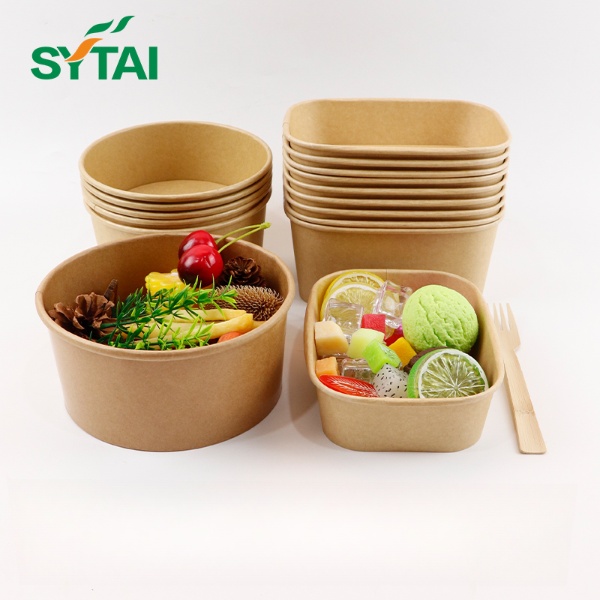
A Buying Guide to Types of Paper Salad Bowls
A comprehensive guide to paper salad bowl types, materials, sizes, and key purchasing factors. Covers popular products such as Kraft salad bowls, helping foodservice businesses and distributors make precise purchasing decisions.