


123123123
 123123123


3. Competitive Landscape: Coexistence of Rising Concentration and Differentiated Competition
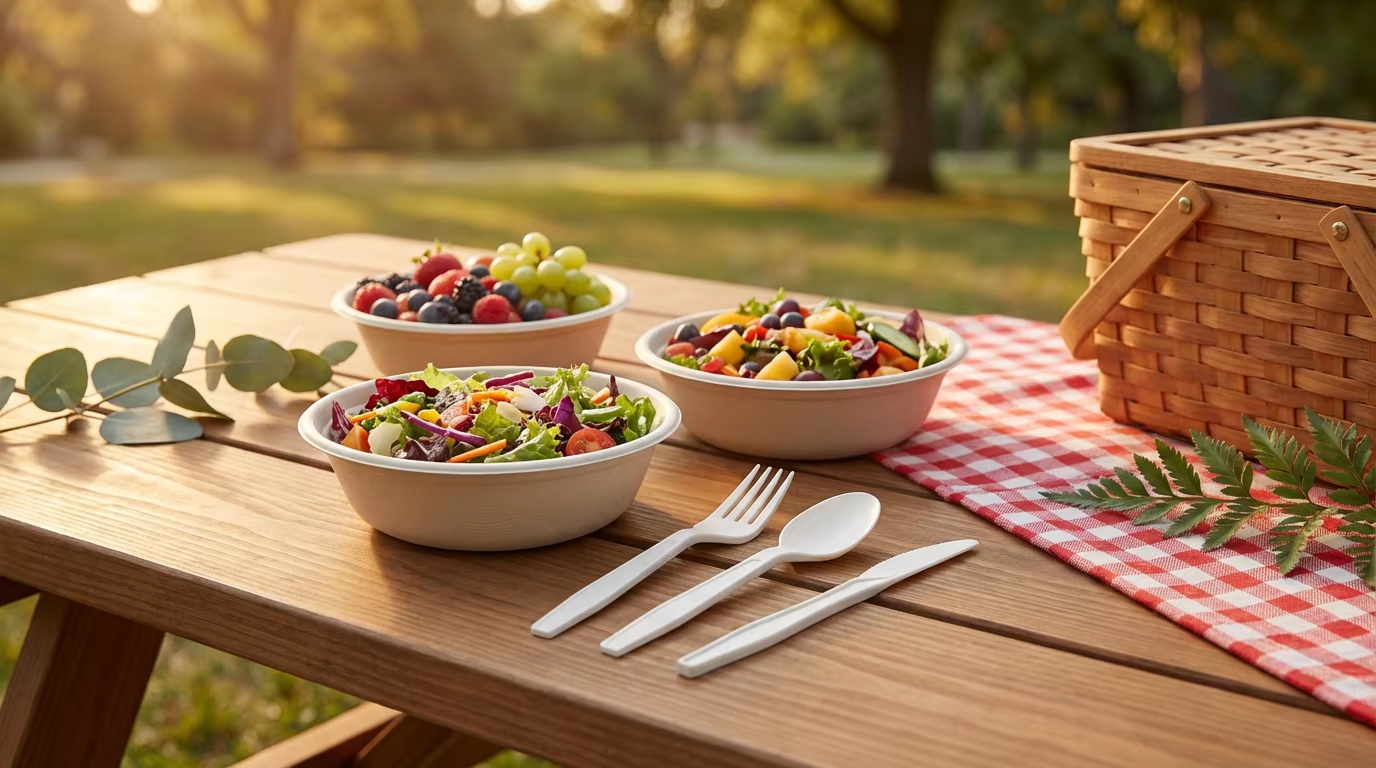
Analysis of China's Paper Tableware Export Share in 2026
2026-09-24
123123123
China's Position in the Global Market Landscape
China is the world's largest producer and exporter of paper tableware. According to industry research data, the global market for eco-friendly paper tableware is projected to exceed $18 billion in 2025, with the Chinese market contributing over $4.5 billion—accounting for 25% of the total. In terms of exports, Chinese paper tableware products represent nearly 59% of the global export volume, securing a dominant position by a wide margin.
Regarding production volume, China's share of global paper tableware output is expected to rise from 38% in 2025 to 44% in 2030, accompanied by a simultaneous expansion in export scale. Export volume is forecast to surpass 1.2 million tonnes in 2026, marking a 9.6% increase over 2025.
Within the broader landscape of tableware exports, China's total tableware export value reached $21.8 billion in 2025; disposable tableware accounted for approximately 4.8 million tonnes in volume and $8.7 billion in value. Exports of molded pulp tableware and containers for food service amounted to approximately $4.97 billion, representing 26.6% of total molded pulp exports. For the full year of 2026, China's total molded pulp export value is projected to exceed $23 billion, with food-service products continuing to account for an increasing share of the total.
Structural Challenges Facing Paper Tableware Exports
Despite the continued expansion of export volumes, China's exports of paper tableware are facing multiple pressures:
Escalating trade barriers. In the first half of 2026, Vietnam and Thailand initiated anti-dumping investigations against Chinese paper bowls, prompting Chinese enterprises to accelerate the establishment of overseas factories in Southeast Asia. With the EU’s Carbon Border Adjustment Mechanism (CBAM) set to include paper products in its scope in 2026, exporting companies face a projected 3% to 5% increase in carbon accounting costs.
Slowing export growth. The growth rate of China's tableware exports decelerated from 8% in 2024 to 6.2% in 2025, primarily due to stricter requirements in European and American markets regarding carbon footprint certification for imported products. While the value of US tableware imports from China fell by 4.7% year-on-year in 2025, imports from Southeast Asia rose by 23%, signaling an acceleration in supply chain diversification.
A need to upgrade product structure. European and American markets show strong demand for high-end, customized paper tableware (featuring embossed brand logos and microwave compatibility); however, China's exports remain dominated by standardized, high-volume products, leaving significant room to increase value-added content.
Analysis of Future Trends in Paper Tableware Development
1 Policy-driven: The window for a global ban on plastics has fully opened.
Between 2025 and 2026, over 60 countries and regions worldwide implemented bans or restrictions on single-use plastic products, directly driving a surge in demand for eco-friendly paper tableware. With the EU’s Single-Use Plastics (SUP) Directive entering its second phase of implementation and the EU’s Packaging and Packaging Waste Regulation (PPWR) mandating the phase-out of single-use plastics, sectors such as food delivery, tea chains, and FMCG brands are aggressively shifting toward paper-based solutions. Major players like Luckin Coffee, Starbucks, and McDonald's have already adopted PLA-lined paper cups, bowls, and paper straws on a large scale.
Domestic policies are also intensifying. China is deepening the implementation of its "14th Five-Year Plan" action plan for plastic pollution control; starting in 2026, certain provinces and cities will set targets requiring paper tableware to account for at least 30% of usage in the food delivery sector. In the first half of 2025, the domestic consumption of eco-friendly alternatives grew by 26.31% compared to the previous period.
The global molded pulp packaging market is projected to grow from $6.16 billion in 2026 to $11.01 billion by 2034, with the Asia-Pacific region accounting for nearly half of the market share.
2. Technological Upgrades: Bio-based Coatings Break Through Industry Bottlenecks
Inadequate water and oil resistance in traditional paper tableware was once a key pain point limiting industry expansion. Leading domestic manufacturers have now raised the yield rate for bio-based coatings from 82% in 2024 to 91%, effectively resolving this issue. By 2025, the number of published global patents related to eco-friendly paper tableware exceeded 8,500, with China accounting for 41%; key areas of innovation include oil- and water-resistant coating technologies, high-strength pulp molding processes, and composite technologies for bio-based degradable materials.
Leading enterprises invest an average of 6.2% of their revenue in R&D, driving a 15% reduction in product weight and a 30% improvement in impermeability, while shortening the post-disposal degradation period to under 90 days. Technological evolution is shifting from single-material solutions to composite structures, with "smart" or responsive products—such as those featuring nano-antimicrobial coatings or temperature-sensitive color-changing properties—entering the commercialization stage.

3. Competitive Landscape: Coexistence of Rising Concentration and Differentiated Competition
In 2025, the combined market share of the top five global paper tableware companies stands at 28%, an increase of 7 percentage points compared to 2020. Domestic Chinese enterprises are accelerating capacity expansion, with plans for over 80 new production lines by 2026; wet-molded pulp lines account for 65% of this planned capacity.
Meanwhile, small and medium-sized enterprises (SMEs) have found room for growth through differentiated materials, regional customization, and cross-border e-commerce channels. Leading global players—such as Huhtamaki and Graphic Packaging International—have established differentiated advantages in bio-based coating technologies and channel coverage capabilities.
Strategic recommendations for addressing issues faced by customer segments
1. Precise customer segmentation: Tiered operations and differentiated outreach
The core customer base for paper tableware can be categorized into four segments:
Tier 1: Chain restaurant and tea/beverage brands. Leading brands such as Luckin Coffee, Heytea, Starbucks, Mixue Ice Cream & Tea, and McDonald's are the largest purchasers of paper tableware. These clients demand high product quality, customization capabilities, and supply stability, but offer large-scale business volumes and strong customer loyalty.
Tier 2: Domestic and international traders and distributors. Characterized by low unit value and a dispersed consumer base, this segment requires the use of trader channels to reach "long-tail" markets.
Tier 3: Regional restaurant chains and small-to-medium-sized businesses (SMBs). This group includes regional fast-food chains, bakeries, and institutional catering enterprises; they are particularly sensitive to cost-effectiveness and delivery speed.
Tier 4: Industrial and medical packaging clients. Emerging application scenarios—such as cold-chain food packaging and trays for medical supplies—represent the fastest-growing segment but also entail the highest barriers to entry, requiring specialized certifications and custom development capabilities.
Tier 1: Chain restaurant and tea/beverage brands. Leading brands such as Luckin Coffee, Heytea, Starbucks, Mixue Ice Cream & Tea, and McDonald's are the largest purchasers of paper tableware. These clients demand high product quality, customization capabilities, and supply stability, but offer large-scale business volumes and strong customer loyalty.
Tier 2: Domestic and international traders and distributors. Characterized by low unit value and a dispersed consumer base, this segment requires the use of trader channels to reach "long-tail" markets.
Tier 3: Regional restaurant chains and small-to-medium-sized businesses (SMBs). This group includes regional fast-food chains, bakeries, and institutional catering enterprises; they are particularly sensitive to cost-effectiveness and delivery speed.
Tier 4: Industrial and medical packaging clients. Emerging application scenarios—such as cold-chain food packaging and trays for medical supplies—represent the fastest-growing segment but also entail the highest barriers to entry, requiring specialized certifications and custom development capabilities.
2. Product Strategy: From "Standardized Volume-Driven Sales" to "Customized Value-Added Offerings"
There is robust demand in overseas markets for high-end, customized paper tableware, yet Chinese exports remain dominated by standardized products. It is recommended that the platform adopt a "dual-track strategy" regarding its product offerings:
Standardized production lines: Target traders and small-to-medium-sized clients by offering standardized, high-turnover items—such as paper cups, bowls, and food containers—leveraging economies of scale to reduce costs and maintain price competitiveness.
Customized production lines: Target chain brands and high-end clients by offering customized products featuring branded logos, microwave compatibility, and special finishes (such as embossing, hot stamping, and die-cutting). Companies like Fuling Technology have successfully pinpointed product needs and supplied customized items—including paper cups and straws—through partnerships with domestic tea beverage brands.
Simultaneously, the platform should prioritize the deployment of bio-based coating technologies and non-wood fiber raw materials (such as bamboo fiber and sugarcane bagasse). These technologies serve as both an effective hedge against rising wood pulp prices and a critical capability for meeting carbon footprint certification requirements in export markets.

Industry News - September 19, 2026
Are PLA straws compostable? Is PLA 100% biodegradable?
Are PLA Straws Truly Compostable? The Truth About Biodegradability and a Buying Guide for B2B Buyers in 2026.
Industry News - September 16, 2026
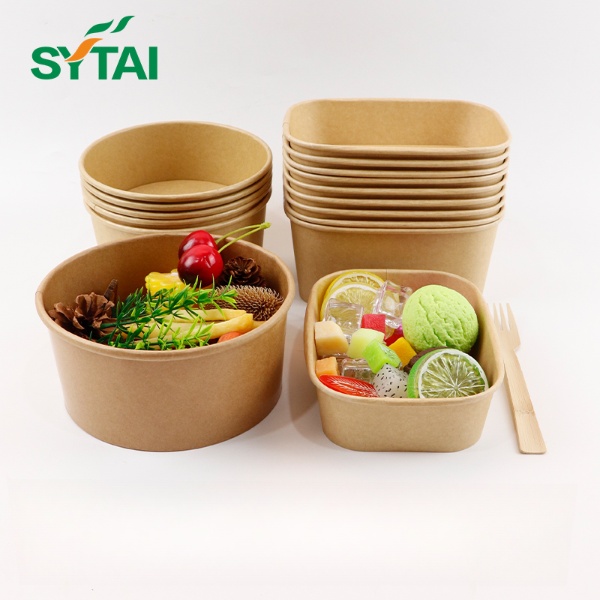
A Buying Guide to Types of Paper Salad Bowls
A comprehensive guide to paper salad bowl types, materials, sizes, and key purchasing factors. Covers popular products such as Kraft salad bowls, helping foodservice businesses and distributors make precise purchasing decisions.
Industry News - September 10, 2026
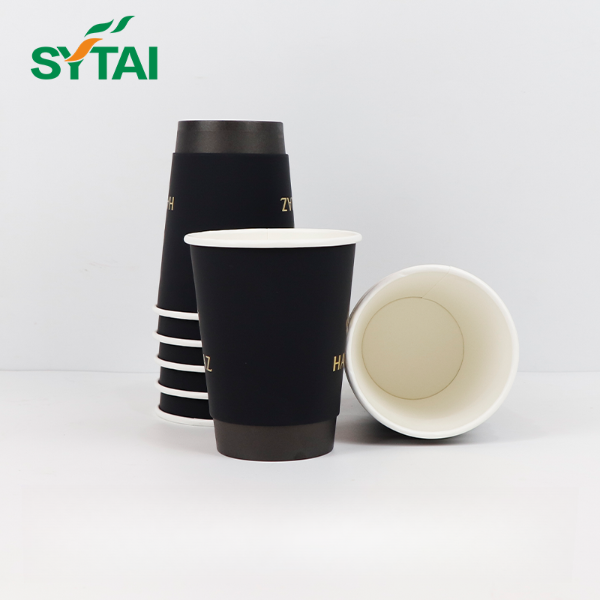
How to Select Double Wall Paper Cup?
A detailed analysis of key factors for selecting double-wall paper cups, comparing single-wall and double-wall options in terms of cost, thermal insulation, and environmental impact. Includes purchasing recommendations and material differences to help you make an informed buying decision.