


123123123
 123123123
Your intuition is correct.
While PLA straws are indeed compostable, they do not simply vanish when tossed into the soil. Standard PLA straws require industrial composting facilities—operating at sustained high temperatures of 55–60°C with controlled humidity and specific microbial cultures—to achieve over 90% biodegradation within 180 days. As for a backyard compost bin? It lacks the necessary heat and microbial activity; a PLA straw could sit in one for years without showing any signs of breaking down.

Taking EN 13432 as an example, a PLA straw must pass four tests to obtain certification: a biodegradation rate of ≥90% within 180 days; residual fragments ≤2mm after 12 weeks of disintegration; compliance with heavy metal content limits; and an inhibition rate of plant germination by the compost product of no more than 10%.
If cold beverages account for more than 70% of your store's product lineup, switching to PLA straws is a perfectly sensible move. However, if hot drinks make up the bulk of your sales, forcing the use of PLA straws will only lead to customer complaints.

Are PLA straws compostable? Is PLA 100% biodegradable?
2026-09-19
123123123
Are PLA Straws Compostable?
If you are a procurement manager for a coffee chain, or are vetting suppliers of disposable straws for hotels or airlines, the term "PLA biodegradable" has likely left you both intrigued and frustrated. You are intrigued because the eco-friendly label makes for a compelling story, yet frustrated because you have a nagging suspicion that things aren't quite what they seem.
Your intuition is correct.
While PLA straws are indeed compostable, they do not simply vanish when tossed into the soil. Standard PLA straws require industrial composting facilities—operating at sustained high temperatures of 55–60°C with controlled humidity and specific microbial cultures—to achieve over 90% biodegradation within 180 days. As for a backyard compost bin? It lacks the necessary heat and microbial activity; a PLA straw could sit in one for years without showing any signs of breaking down.

So, does the claim of being "100% biodegradable" hold water?
From a materials science perspective, PLA is 100% biodegradable. Under the action of microorganisms, its molecular chains eventually break down into carbon dioxide, water, and biomass, leaving no microplastic residue.
However, the crucial point is this: "biodegradation" is a process subject to extremely stringent conditions.
If thrown into the ocean, 16-week tests show almost zero mass loss. If buried in ordinary soil, the rate of degradation is so slow as to be practically meaningless.
Certification is the true hard currency in procurement.
Currently, there are three mainstream global certification systems for the compostability of PLA straws: the EU's EN 13432, the US's ASTM D6400 (associated with BPI certification), and Australia's AS 5810 (focused on home composting).
Taking EN 13432 as an example, a PLA straw must pass four tests to obtain certification: a biodegradation rate of ≥90% within 180 days; residual fragments ≤2mm after 12 weeks of disintegration; compliance with heavy metal content limits; and an inhibition rate of plant germination by the compost product of no more than 10%.
PLA straws have another drawback that no one really brings up: they are sensitive to heat.
PLA straws have a glass transition temperature of approximately 60°C. This means that if you insert one into a hot latte, it will go limp and collapse within two minutes. Consequently, PLA straws are best suited for cold beverages—such as iced Americanos, sparkling water, smoothies, and bubble tea (wide-bore versions work perfectly for this)—whereas hot drinks are better served with PP or paper straws.
If cold beverages account for more than 70% of your store's product lineup, switching to PLA straws is a perfectly sensible move. However, if hot drinks make up the bulk of your sales, forcing the use of PLA straws will only lead to customer complaints.

Three practical tips for purchasers
1. If the city where your store is located lacks an industrial composting collection system, PLA straws will most likely end up being incinerated or sent to a landfill. In such cases, the environmental advantage they hold over traditional plastic straws is significantly diminished. PLA only achieves a truly closed-loop lifecycle when there is an actual composting outlet available.
2. Look for certifications rather than just "plant-based" labels. "Plant-based" does not equate to "compostable." Many products marketed as "cornstarch straws" contain only a partial blend of starch-based materials and lack industrial composting certification.
3. The global average price for PLA straws is approximately $0.022 per unit, with gross margins ranging from 35% to 50%. If your procurement volume is in the millions, the price premium associated with certification can be absorbed—provided that the "compostable" claim in your brand story can be genuinely substantiated.
Industry News - September 16, 2026
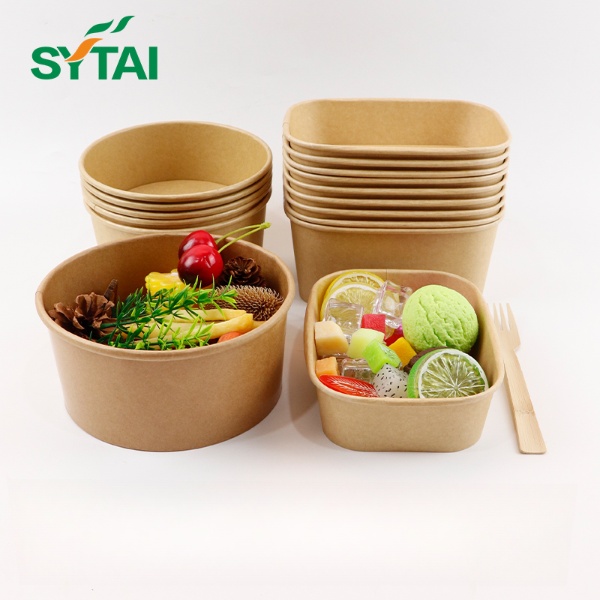
A Buying Guide to Types of Paper Salad Bowls
A comprehensive guide to paper salad bowl types, materials, sizes, and key purchasing factors. Covers popular products such as Kraft salad bowls, helping foodservice businesses and distributors make precise purchasing decisions.
Industry News - September 10, 2026
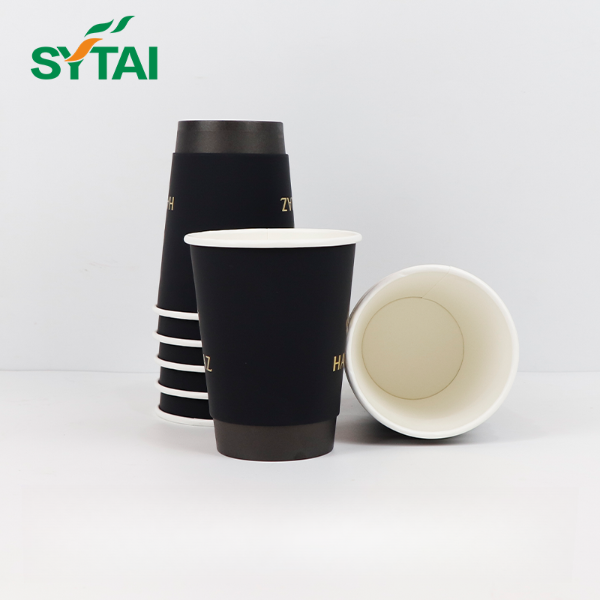
How to Select Double Wall Paper Cup?
A detailed analysis of key factors for selecting double-wall paper cups, comparing single-wall and double-wall options in terms of cost, thermal insulation, and environmental impact. Includes purchasing recommendations and material differences to help you make an informed buying decision.

Industry News - September 05, 2026
Can Food Paper Bags Be Composted?
More and more catering businesses, bakeries, and food delivery brands are turning to paper food packaging. But a core question continues to plague purchasing decision-makers: can paper food bags actually be composted and degraded? The answer is: yes, but under certain conditions.