


123123123
 123123123
Are Ppaper Soup Containers Microwavable?
2026-07-16
123123123
Can paper soup cups be heated in the microwave?
The question of whether paper soup cups are microwave-safe has become one of the most frequently asked inquiries among global foodservice providers, restaurant operators, and B2B procurement professionals.
With the rapid expansion of the food delivery sector and the steadily rising consumer demand for convenient, ready-to-eat meals, understanding the microwave safety of disposable paper soup cups is no longer merely optional—it has become a top priority for ensuring operational efficiency and customer safety.
Valued at $91.81 billion in 2024, the global market for disposable foodservice products is projected to grow to $201.15 billion by 2032, underscoring the critical importance of safety considerations for businesses sourcing paper soup cups in bulk.
With the rapid expansion of the food delivery sector and the steadily rising consumer demand for convenient, ready-to-eat meals, understanding the microwave safety of disposable paper soup cups is no longer merely optional—it has become a top priority for ensuring operational efficiency and customer safety.
Valued at $91.81 billion in 2024, the global market for disposable foodservice products is projected to grow to $201.15 billion by 2032, underscoring the critical importance of safety considerations for businesses sourcing paper soup cups in bulk.
The short answer: It depends.
Regarding whether paper soup cups are microwave-safe, the honest answer is: it depends on the specific product. Not all paper cups are created equal, and assuming they can all be microwaved could lead to serious consequences—ranging from container leakage and coating meltdown to potential fire hazards.
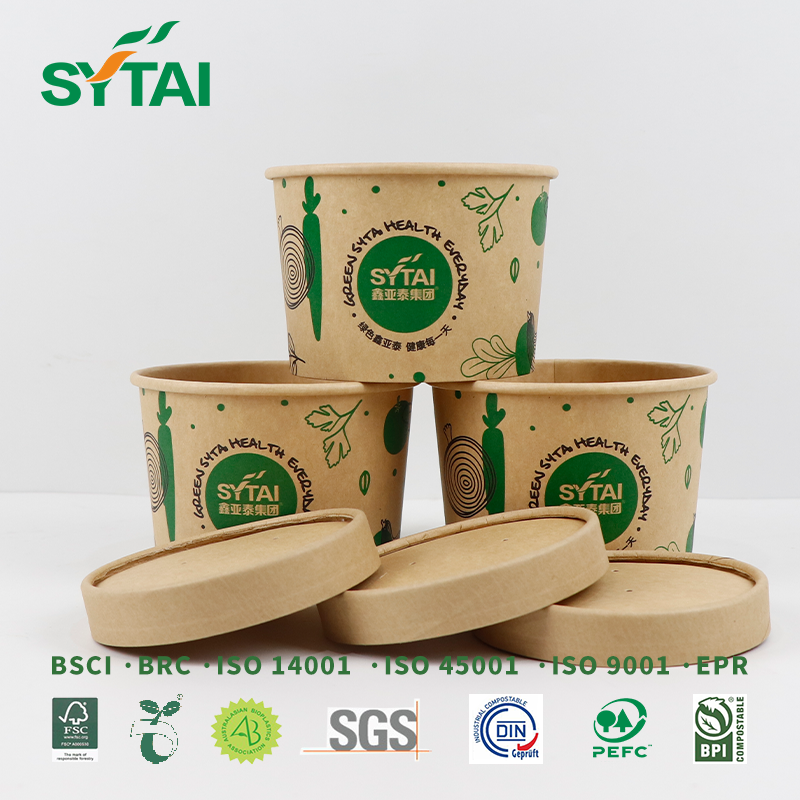
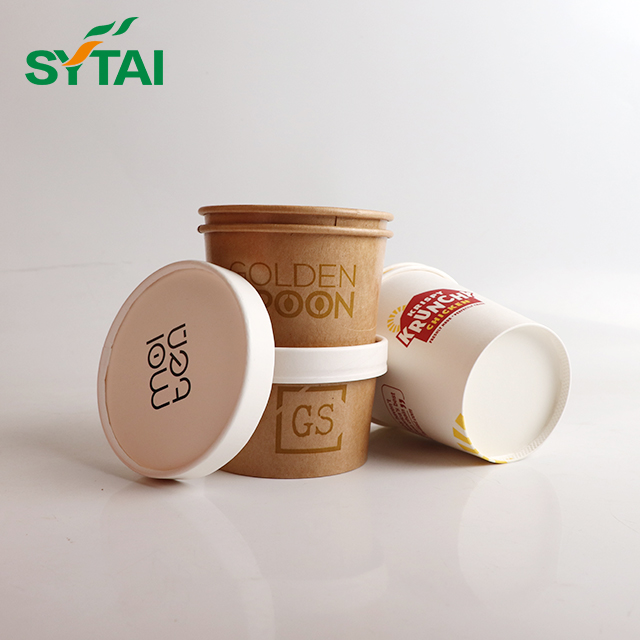
Many kraft paper soup containers on the market today are specifically designed and tested for microwave use. These products feature special coatings and structural designs that allow them to withstand the high temperatures generated during microwaving without deforming, leaking, or releasing harmful substances. However, a significant number of disposable paper soup cups are not suitable for microwave heating and should absolutely not be placed in a microwave.
Many kraft paper soup containers on the market today are specifically designed and tested for microwave use. These products feature special coatings and structural designs that allow them to withstand the high temperatures generated during microwaving without deforming, leaking, or releasing harmful substances. However, a significant number of disposable paper soup cups are not suitable for microwave heating and should absolutely not be placed in a microwave.
Why is there confusion? Let's start with the construction of paper cups.
To determine whether paper soup cups are microwave-safe, one must first understand their manufacturing process. Most paper food containers are not made of pure paper; to hold hot, oily, or liquid-rich foods without leaking or collapsing, the paper base is coated with a barrier layer. This coating is the critical factor determining microwave safety.
The three most common types of coatings used in commercial food packaging are:
PE (polyethylene) coating—a petroleum-based plastic lining. The vast majority of PE-coated containers are unsuitable for microwave use. At microwave heating temperatures, the PE coating may soften or even migrate into the food.
PLA (polylactic acid) coating—a plant-based bioplastic. PLA begins to soften at approximately 55–60°C; therefore, microwave heating is explicitly not recommended for most PLA-coated containers.
Water-based coating—this offers the best microwave compatibility, provided the manufacturer has conducted the relevant testing and the container is clearly labeled as microwave-safe.
The three most common types of coatings used in commercial food packaging are:
PE (polyethylene) coating—a petroleum-based plastic lining. The vast majority of PE-coated containers are unsuitable for microwave use. At microwave heating temperatures, the PE coating may soften or even migrate into the food.
PLA (polylactic acid) coating—a plant-based bioplastic. PLA begins to soften at approximately 55–60°C; therefore, microwave heating is explicitly not recommended for most PLA-coated containers.
Water-based coating—this offers the best microwave compatibility, provided the manufacturer has conducted the relevant testing and the container is clearly labeled as microwave-safe.
How to identify disposable paper soup cups that are microwave-safe.
For buyers purchasing kraft paper soup bowls or other disposable paper soup cups in bulk, the following are key points to check:
1. Look for microwave-safe markings
If the packaging or the cup itself is marked "microwave-safe" or displays a wavy-line icon, it indicates that the manufacturer has tested the product for microwave use. In the absence of such markings, transfer the food to a glass or ceramic bowl explicitly labeled as microwave-safe before heating.
If the packaging or the cup itself is marked "microwave-safe" or displays a wavy-line icon, it indicates that the manufacturer has tested the product for microwave use. In the absence of such markings, transfer the food to a glass or ceramic bowl explicitly labeled as microwave-safe before heating.
2. Check label instructions
Reputable suppliers clearly indicate microwave safety on the packaging. For example, many certified kraft paper soup bowls are labeled as suitable for both microwave and freezer use.
Reputable suppliers clearly indicate microwave safety on the packaging. For example, many certified kraft paper soup bowls are labeled as suitable for both microwave and freezer use.
3. Confirm the coating type
When purchasing paper soup cups in bulk, be sure to ask the supplier about the coating material. Containers with water-based coatings generally offer the best microwave compatibility.
When purchasing paper soup cups in bulk, be sure to ask the supplier about the coating material. Containers with water-based coatings generally offer the best microwave compatibility.
4. Verify compliance certifications
All disposable paper soup cups intended for direct food contact must meet local safety standards; reputable suppliers should provide relevant test reports verifying the product's thermal stability and coating integrity.
All disposable paper soup cups intended for direct food contact must meet local safety standards; reputable suppliers should provide relevant test reports verifying the product's thermal stability and coating integrity.
Best Practices for Microwave-Heating Paper Soup Cups
Common Misconceptions About Paper Soup Cups and Microwave Use
Myth 1: All paper cups are microwave-safe — Incorrect. Unless explicitly labeled otherwise, most paper soup cups are not suitable for microwave use.
Myth 2: PLA-coated cups are microwave-safe — Incorrect. PLA begins to soften at temperatures as low as 55–60°C, making it unsuitable for the vast majority of microwave heating applications.
Myth 3: Any paper cup can be microwaved if the heating time is short — Not necessarily. Even with short heating times, PE coatings can soften and seams can fail.
Myth 4: Kraft paper (brown) cups are inherently safer than white paper cups — Color is not the deciding factor; the coating and manufacturing process are what truly matter.
Myth 2: PLA-coated cups are microwave-safe — Incorrect. PLA begins to soften at temperatures as low as 55–60°C, making it unsuitable for the vast majority of microwave heating applications.
Myth 3: Any paper cup can be microwaved if the heating time is short — Not necessarily. Even with short heating times, PE coatings can soften and seams can fail.
Myth 4: Kraft paper (brown) cups are inherently safer than white paper cups — Color is not the deciding factor; the coating and manufacturing process are what truly matter.
Future Trends for Microwave-Safe Paper Soup Cups
The market for disposable paper soup cups continues to evolve rapidly. Driven by the demand for convenience and on-the-go dining, the global market is experiencing steady growth. Key trends include:
Sustainable materials—growing demand for biodegradable and compostable kraft paper soup cups.
Coating technology upgrades—advancements in water-based coatings and plastic-free barrier technologies, offering improved microwave compatibility.
Clearer labeling—more explicit and easily understood microwave-safe markings to reduce consumer confusion.
Customization services—an increasing desire among buyers for branded customization on paper soup cups.
Sustainable materials—growing demand for biodegradable and compostable kraft paper soup cups.
Coating technology upgrades—advancements in water-based coatings and plastic-free barrier technologies, offering improved microwave compatibility.
Clearer labeling—more explicit and easily understood microwave-safe markings to reduce consumer confusion.
Customization services—an increasing desire among buyers for branded customization on paper soup cups.
This is permissible only if the products have been specifically designed, tested, and clearly labeled as microwave-safe.
Due diligence is essential for buyers purchasing disposable paper soup cups or kraft paper soup bowls in bulk.
Please select a reliable supplier capable of providing clear microwave-safety information, compliance documentation, and test reports. Your customers' safety—and your brand's reputation—depend on it.
Due diligence is essential for buyers purchasing disposable paper soup cups or kraft paper soup bowls in bulk.
Please select a reliable supplier capable of providing clear microwave-safety information, compliance documentation, and test reports. Your customers' safety—and your brand's reputation—depend on it.
Industry News - October 13, 2026
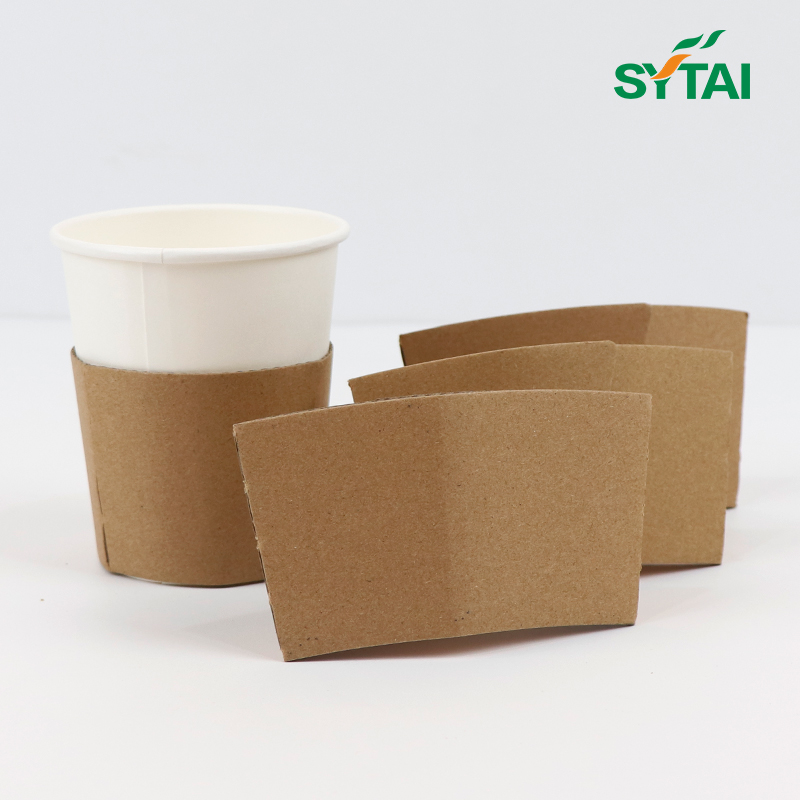
What is a paper cup sleeve? What is a cup sleeve used for?
What is a paper cup sleeve? A B2B purchasing guide covering materials, selection, and usage scenarios.We invite interested buyers to explore our latest product information; we are confident we can provide you with the best solutions.
Industry News - October 06, 2026
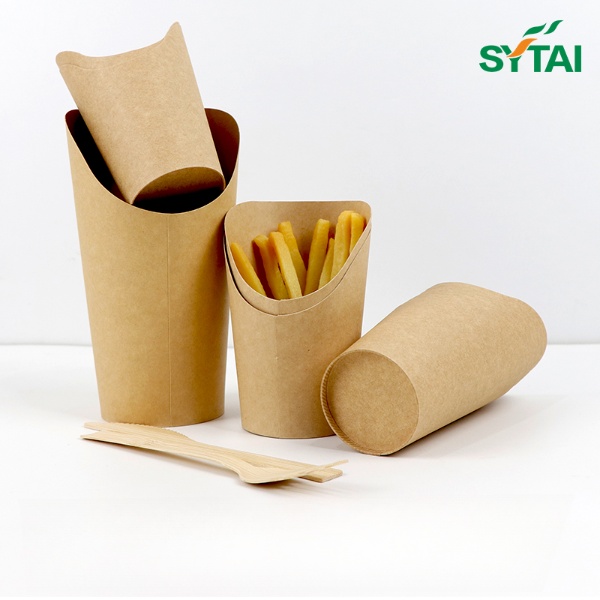
How to Choose a Takeaway Noodle Box
A comprehensive guide to materials, sizes, and purchasing—covering everything from material types and dimensions to custom printing and supplier evaluation.
Industry News - September 28, 2026
Custom Popcorn Buckets: A Guide to Choosing Packaging
From materials, dimensions, and printing to supplier selection, we help you fully clarify the procurement process for custom popcorn buckets.