


123123123
 123123123

2. Takeaway Paper Bags
These bags typically feature an SOS (Self-Opening Sack) square bottom design, providing a flat, upright position and strong load-bearing capacity. Whether it's hamburgers, fried chicken, or sandwiches, takeaway paper bags can handle them easily. Many takeaway paper bags also come with twisted handles or die-cut handles for easy carrying.

3. General Kraft Paper Food Bags
These kraft paper food bags have the widest range of applications—from snacks and nuts to pastries and desserts, from coffee beans to dried fruits and preserves, covering almost all packaging needs for dry foods. Depending on the weight, these bags can meet various needs, from lightweight packaging to heavy-duty load-bearing applications.
4. Coated or Laminated Paper Bags
Some food paper bags have a PE film or wax coating on the inside to prevent oil and water damage. Although these bags appear to be "made of paper," they contain plastic components, making them unsuitable for composting or even recycling—a "pseudo-environmentally friendly" trap that requires special attention when purchasing.
Condition 2: Ink and Adhesives Must Be Biodegradable
The inks used for printing must be water-based or soy-based; the sealing adhesive must be plant-based. Common chemical inks and synthetic adhesives release harmful substances during composting, contaminating the finished compost.
Condition 3: Must Pass Authoritative Composting Certification—This is the Most Crucial Condition
Certification is the dividing line between "truly compostable" and "marketing hype." Currently, globally accepted composting certification standards include:
Industrial compostable: Requires a dedicated composting facility under high temperature (55-60°C), high humidity, and continuous oxygen supply conditions. Products certified with EN 13432 and ASTM D6400 fall into this category.

Can Food Paper Bags Be Composted?
2026-09-05
123123123
Why is everyone asking "Can food paper bags be composted?"
If you're also searching for this question, it means you're already at the forefront of sustainable packaging.
In recent years, many countries and regions around the world have successively introduced regulations to limit or ban plastic use. From supermarket shopping bags to takeout packaging bags, from bakery paper bread bags to fast food restaurant takeaway paper bags, paper alternatives are emerging one after another.
But this also raises questions: Where do you throw these paper bags away after use? Can they be directly thrown into composting bins?
The answer is not as simple as it seems.
In recent years, many countries and regions around the world have successively introduced regulations to limit or ban plastic use. From supermarket shopping bags to takeout packaging bags, from bakery paper bread bags to fast food restaurant takeaway paper bags, paper alternatives are emerging one after another.
But this also raises questions: Where do you throw these paper bags away after use? Can they be directly thrown into composting bins?
The answer is not as simple as it seems.
What are some common types of food paper bags?
1. Kraft Paper Bread Bags
This is one of the most commonly used packaging materials in the baking industry. The natural brown kraft paper retains the natural color of lignin, giving it a strong eco-friendly visual appeal, making it particularly suitable for products like baguettes, croissants, and toast. Some high-end brands even add transparent windows (made of PLA, compostable) to kraft paper bread bags, showcasing the product while maintaining sustainability.
This is one of the most commonly used packaging materials in the baking industry. The natural brown kraft paper retains the natural color of lignin, giving it a strong eco-friendly visual appeal, making it particularly suitable for products like baguettes, croissants, and toast. Some high-end brands even add transparent windows (made of PLA, compostable) to kraft paper bread bags, showcasing the product while maintaining sustainability.
2. Takeaway Paper Bags
These bags typically feature an SOS (Self-Opening Sack) square bottom design, providing a flat, upright position and strong load-bearing capacity. Whether it's hamburgers, fried chicken, or sandwiches, takeaway paper bags can handle them easily. Many takeaway paper bags also come with twisted handles or die-cut handles for easy carrying.
3. General Kraft Paper Food Bags
These kraft paper food bags have the widest range of applications—from snacks and nuts to pastries and desserts, from coffee beans to dried fruits and preserves, covering almost all packaging needs for dry foods. Depending on the weight, these bags can meet various needs, from lightweight packaging to heavy-duty load-bearing applications.
4. Coated or Laminated Paper Bags
Some food paper bags have a PE film or wax coating on the inside to prevent oil and water damage. Although these bags appear to be "made of paper," they contain plastic components, making them unsuitable for composting or even recycling—a "pseudo-environmentally friendly" trap that requires special attention when purchasing.
Can food paper bags be composted?
Condition 1: Material Must Be 100% Fiber-Based
Compostable food paper bags must be made from pure pulp—whether virgin kraft paper or recycled pulp—and cannot contain plastic coatings, wax coatings, aluminum foil layers, or any synthetic chemical additives. Simply put: tear it open and check; if there's a smooth film on the inside, it's unacceptable.
Compostable food paper bags must be made from pure pulp—whether virgin kraft paper or recycled pulp—and cannot contain plastic coatings, wax coatings, aluminum foil layers, or any synthetic chemical additives. Simply put: tear it open and check; if there's a smooth film on the inside, it's unacceptable.
Condition 2: Ink and Adhesives Must Be Biodegradable
The inks used for printing must be water-based or soy-based; the sealing adhesive must be plant-based. Common chemical inks and synthetic adhesives release harmful substances during composting, contaminating the finished compost.
Condition 3: Must Pass Authoritative Composting Certification—This is the Most Crucial Condition
Certification is the dividing line between "truly compostable" and "marketing hype." Currently, globally accepted composting certification standards include:
| Certification Standard | Applicable Region | Composting Type | Key Requirements |
|---|---|---|---|
| EN 13432 | European Union | Industrial composting | >90% degradation within 180 days, no toxic residues |
| ASTM D6400 | United States | Industrial composting | Must be used in conjunction with BPI certification |
| NF T51-800 | France/Europe | Home composting | Degradation within 12 months at ambient temperature |
| OK Compost HOME | International | Home composting | TÜV-certified, suitable for backyard composting |
| AS 4736 / AS 5810 | Australia | Industrial/Home composting | Australian standards |
Home composting vs. industrial composting
Home compostable: Decomposes in a standard backyard compost bin, but at lower temperatures and under uncontrollable conditions, requiring the highest quality materials. Only products certified with OK Compost HOME or NF T51-800 can be labeled "home compostable."
Industrial compostable: Requires a dedicated composting facility under high temperature (55-60°C), high humidity, and continuous oxygen supply conditions. Products certified with EN 13432 and ASTM D6400 fall into this category.
How to choose compostable food paper bags?
1. Confirm PFAS Free
PFAS (per- and polyfluoroalkyl substances) were once widely used for oil-repellent treatment of paper bags, but their use in food contact materials has been banned globally since 2026. When purchasing, explicitly request suppliers to provide "PFAS-free" test reports.
PFAS (per- and polyfluoroalkyl substances) were once widely used for oil-repellent treatment of paper bags, but their use in food contact materials has been banned globally since 2026. When purchasing, explicitly request suppliers to provide "PFAS-free" test reports.
2. Confirm Food-Grade Safety Certification
Compostable does not mean safe for direct food contact. Food-grade paper bags must also pass FDA (US) or EU (EU) food-grade safety certification. Prioritize suppliers with ISO 22000 food safety management system certification.
Compostable does not mean safe for direct food contact. Food-grade paper bags must also pass FDA (US) or EU (EU) food-grade safety certification. Prioritize suppliers with ISO 22000 food safety management system certification.
3. Inquire about the Compostability of PLA Windows or Oil-Repellent Coatings
Some kraft paper bread bags have transparent windows—confirm whether the window material is PLA (polylactic acid, compostable) or ordinary plastic film. The former is compostable, the latter not. Similarly, oil-repellent treatments with bio-based coatings (such as PLA or PBS) are compostable; those with PE coatings are not.
Some kraft paper bread bags have transparent windows—confirm whether the window material is PLA (polylactic acid, compostable) or ordinary plastic film. The former is compostable, the latter not. Similarly, oil-repellent treatments with bio-based coatings (such as PLA or PBS) are compostable; those with PE coatings are not.
4. Consider MOQ and Supply Chain Stability for Wholesale Procurement
For restaurant chains that require wholesale purchasing, in addition to the environmental friendliness of the products themselves, it's crucial to assess the supplier's production capacity, delivery time, and customization capabilities. Prioritize source manufacturers with FSC certification, BRC food safety certification, and stable export experience.
For restaurant chains that require wholesale purchasing, in addition to the environmental friendliness of the products themselves, it's crucial to assess the supplier's production capacity, delivery time, and customization capabilities. Prioritize source manufacturers with FSC certification, BRC food safety certification, and stable export experience.
Choosing certified paper bread bags, takeaway paper bags, and kraft paper food bags is not only a responsible choice for the planet but also an investment in the long-term value of your brand.
In today's world where sustainable packaging is becoming increasingly important, choosing the right products and suppliers is a crucial step for food and beverage brands to win in the future.
Have you ever used compostable food paper bags? Or have you encountered any difficulties in the procurement process? Feel free to share your experiences in the comments section, and let's explore the further possibilities of sustainable packaging together.
In today's world where sustainable packaging is becoming increasingly important, choosing the right products and suppliers is a crucial step for food and beverage brands to win in the future.
Have you ever used compostable food paper bags? Or have you encountered any difficulties in the procurement process? Feel free to share your experiences in the comments section, and let's explore the further possibilities of sustainable packaging together.

Industry News - October 19, 2026
Fast Food Paper Bag Guide: Packaging Solutions
Choosing take out paper bags? Compare kraft, PE-coated and compostable options, sizing and food-safety checks in Sytai's buyer guide.
Industry News - October 13, 2026
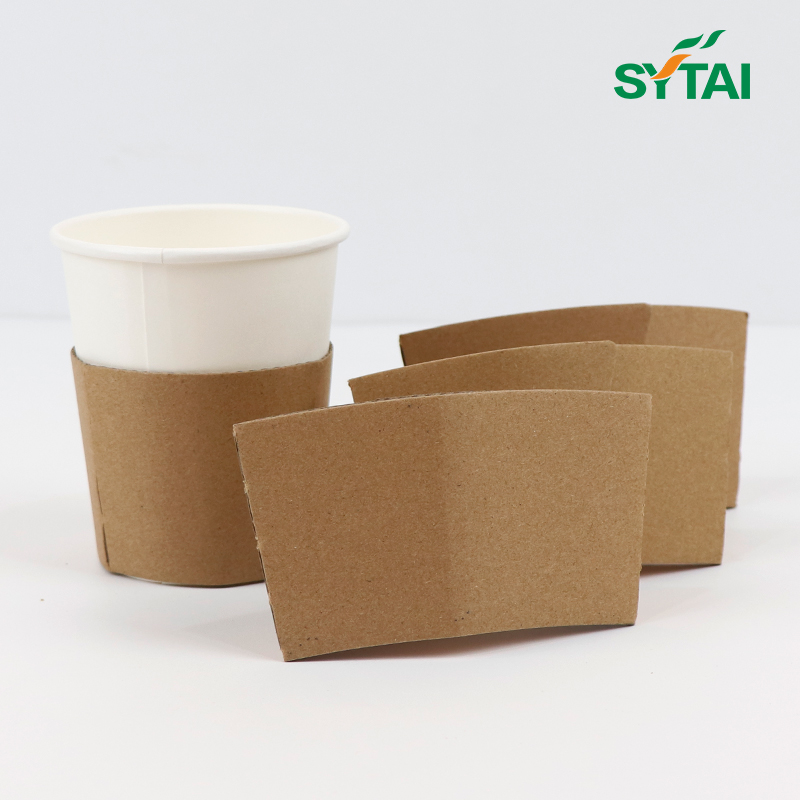
What is a paper cup sleeve? What is a cup sleeve used for?
What is a paper cup sleeve? A B2B purchasing guide covering materials, selection, and usage scenarios.We invite interested buyers to explore our latest product information; we are confident we can provide you with the best solutions.
Industry News - October 06, 2026
How to Choose a Takeaway Noodle Box
A comprehensive guide to materials, sizes, and purchasing—covering everything from material types and dimensions to custom printing and supplier evaluation.