


123123123
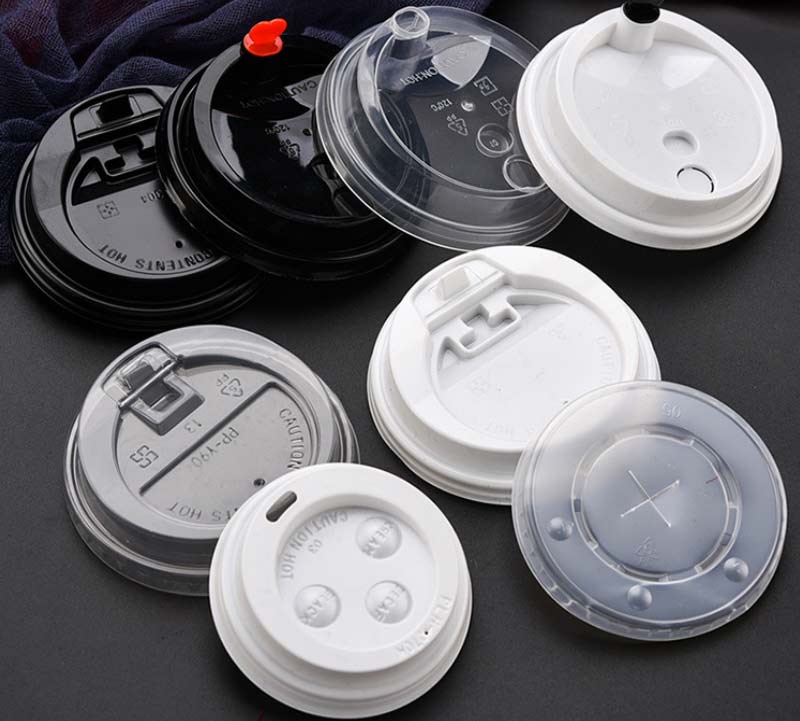 123123123


Paper lids are made from paperboard and feature an internal PE or PLA coating to prevent liquid penetration. They have rapidly emerged as an eco-friendly alternative in recent years, particularly favored by brands committed to sustainability.
Advantages of paper lids:
Renewable resources: Made from paper sourced from certified forests.
Recyclable: Can be recycled within existing paper recycling streams.
Lower carbon footprint: Paperboard lids have a carbon footprint at least 50% lower than that of plastic lids.
Reduced plastic usage: Producing 100 million paper lids can save up to 400 tons of plastic.
The material of the internal coating determines the lid's water resistance; paper lids with a PLA coating are 100% biodegradable.
Different Types Of Llids For Ccontainers: Materials And Uses
2026-07-31
123123123
A Comprehensive Analysis of Disposable Cup Lid Materials
In the food and beverage packaging industry, cup lids—despite their small size—directly impact the consumer experience, brand image, and operational costs. The global cup lid market reached a valuation of $17.74 billion in 2025 and is projected to grow to $20.97 billion by 2030. Given this immense market demand, selecting the right material for cup lids is a critical decision for B2B purchasers and foodservice professionals alike.
Common disposable cup lids on the market fall into five main categories: PP (polypropylene), PS (polystyrene), PET (polyethylene terephthalate), PLA (polylactic acid), and paper lids. Each material offers distinct advantages and disadvantages regarding heat resistance, transparency, cost, and environmental impact, making them suitable for different beverage applications.
Common disposable cup lids on the market fall into five main categories: PP (polypropylene), PS (polystyrene), PET (polyethylene terephthalate), PLA (polylactic acid), and paper lids. Each material offers distinct advantages and disadvantages regarding heat resistance, transparency, cost, and environmental impact, making them suitable for different beverage applications.
PP Lid (Polypropylene Cup Lid): The top choice for hot drinks and the champion of heat resistance
Made from polypropylene (PP)—a thermoplastic polymer widely used in the packaging industry for its exceptional durability and high-temperature resistance—the PP lid maintains its shape even under high heat, making it ideal for hot beverages like coffee and tea. The material offers a degree of flexibility, allowing it to form a tight seal with the cup rim and effectively prevent leaks.
Key advantages of PP plastic lids include:
Superior heat resistance: Capable of withstanding temperatures above 85°C, making them an ideal choice for hot coffee and tea.
Sturdy and durable: Structurally stable and resistant to cracking, making them well-suited for takeout and delivery.
Recyclability: In most regions, PP lids are classified as recyclable plastic.
Key advantages of PP plastic lids include:
Superior heat resistance: Capable of withstanding temperatures above 85°C, making them an ideal choice for hot coffee and tea.
Sturdy and durable: Structurally stable and resistant to cracking, making them well-suited for takeout and delivery.
Recyclability: In most regions, PP lids are classified as recyclable plastic.
PS Lid (Polystyrene Cup Lid): A Cost-Effective Choice, Standard for Cold Drinks
The PS lid is the most common type of disposable cup lid on the market, made from polystyrene. Known for its cost-effectiveness and high clarity, it is particularly well-suited for cold beverages such as iced tea, soda, and milkshakes.
Key advantages of PS lids include:
Affordability: Priced at approximately $0.015–$0.025 per unit, making it the least expensive option among the five material types.
High Clarity: Clearly showcases the beverage, enhancing visual appeal.
Lightweight Design: Low weight helps reduce transportation costs.
However, PS lids have poor heat resistance and may release harmful substances at high temperatures, making them unsuitable for hot drinks. Additionally, PS lids suffer from low recycling rates in some regions, resulting in a poor environmental profile.
Key advantages of PS lids include:
Affordability: Priced at approximately $0.015–$0.025 per unit, making it the least expensive option among the five material types.
High Clarity: Clearly showcases the beverage, enhancing visual appeal.
Lightweight Design: Low weight helps reduce transportation costs.
However, PS lids have poor heat resistance and may release harmful substances at high temperatures, making them unsuitable for hot drinks. Additionally, PS lids suffer from low recycling rates in some regions, resulting in a poor environmental profile.
PET Lid: Highly transparent for excellent visibility—the visual highlight for cold drinks.
PET lids are made from polyethylene terephthalate, offering excellent clarity and impact resistance. Commonly featuring a dome design, they are ideal for showcasing specialty cold drinks topped with whipped cream or ice cream.
Key features of PET lids include:
Crystal-clear transparency: Perfectly displays the layers and toppings of the beverage, enhancing product appeal.
Durability: High impact resistance; resistant to cracking or breaking.
Recyclability: PET is one of the most widely recycled plastic materials.
Widely used in cold drink shops, bubble tea stores, and iced coffee outlets, PET lids are a leading product in the cold beverage cup lid market.
Key features of PET lids include:
Crystal-clear transparency: Perfectly displays the layers and toppings of the beverage, enhancing product appeal.
Durability: High impact resistance; resistant to cracking or breaking.
Recyclability: PET is one of the most widely recycled plastic materials.
Widely used in cold drink shops, bubble tea stores, and iced coffee outlets, PET lids are a leading product in the cold beverage cup lid market.
PLA Lid: Eco-friendly, biodegradable, and a new trend in sustainable packaging
PLA lids are made from polylactic acid, a material derived from renewable, plant-based resources such as corn starch and sugarcane bagasse. As environmental awareness grows, PLA lids are increasingly favored by both brands and consumers.
Key benefits of PLA lids:
Compostable and biodegradable: Fully biodegradable under specific industrial composting conditions.
Renewable raw materials: Derived from plant-based sources, reducing reliance on fossil fuels.
Eco-friendly brand image: Using PLA lids helps enhance a company's image regarding sustainability.
Key benefits of PLA lids:
Compostable and biodegradable: Fully biodegradable under specific industrial composting conditions.
Renewable raw materials: Derived from plant-based sources, reducing reliance on fossil fuels.
Eco-friendly brand image: Using PLA lids helps enhance a company's image regarding sustainability.
Paper Lids: Natural, sustainable, and a new alternative to plastic
Paper lids are made from paperboard and feature an internal PE or PLA coating to prevent liquid penetration. They have rapidly emerged as an eco-friendly alternative in recent years, particularly favored by brands committed to sustainability.
Advantages of paper lids:
Renewable resources: Made from paper sourced from certified forests.
Recyclable: Can be recycled within existing paper recycling streams.
Lower carbon footprint: Paperboard lids have a carbon footprint at least 50% lower than that of plastic lids.
Reduced plastic usage: Producing 100 million paper lids can save up to 400 tons of plastic.
The material of the internal coating determines the lid's water resistance; paper lids with a PLA coating are 100% biodegradable.
How do you choose the right lid material for your business?
1. Beverage temperature dictates material selection
For hot drinks (coffee, tea), PP lids are the preferred choice due to their heat resistance and safety; for cold drinks (iced tea, fruit juice, milkshakes), options include PS, PET, or PLA lids.
For hot drinks (coffee, tea), PP lids are the preferred choice due to their heat resistance and safety; for cold drinks (iced tea, fruit juice, milkshakes), options include PS, PET, or PLA lids.
2. Visual presentation needs influence design choices
If showcasing features like whipped cream toppings or layered drinks is required, a PET dome lid is the best choice; for standard cold drinks, a PS or PET flat lid is suitable.
If showcasing features like whipped cream toppings or layered drinks is required, a PET dome lid is the best choice; for standard cold drinks, a PS or PET flat lid is suitable.
3. Sustainability goals determine material choice
If the brand has clear sustainability objectives, PLA lids and paper lids are eco-friendly options worth considering.
If the brand has clear sustainability objectives, PLA lids and paper lids are eco-friendly options worth considering.
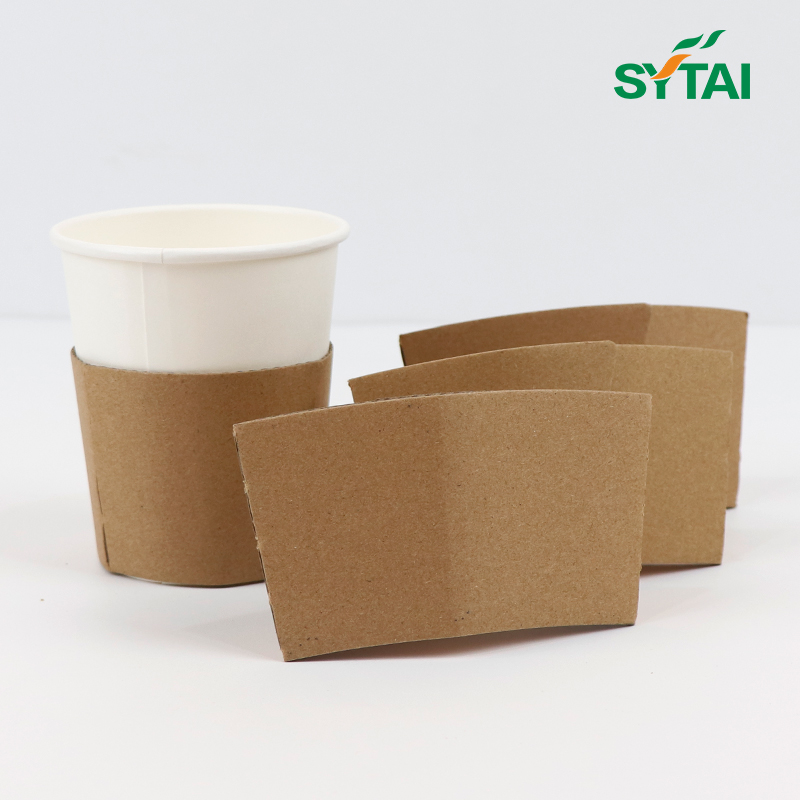
Industry News - October 13, 2026
What is a paper cup sleeve? What is a cup sleeve used for?
What is a paper cup sleeve? A B2B purchasing guide covering materials, selection, and usage scenarios.We invite interested buyers to explore our latest product information; we are confident we can provide you with the best solutions.
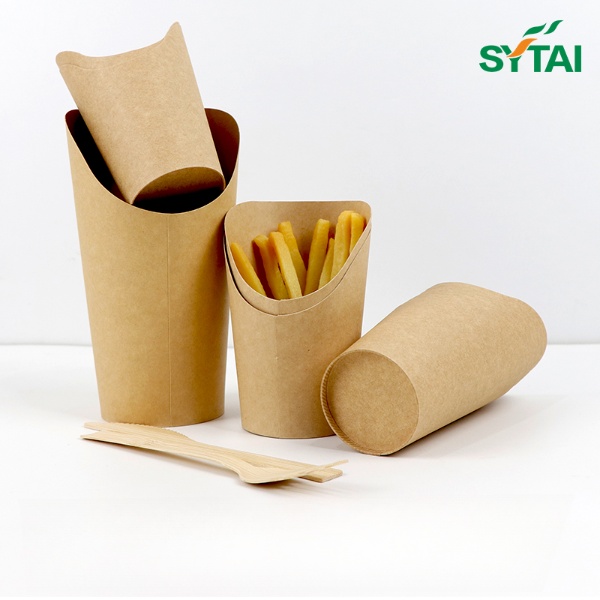
Industry News - October 06, 2026
How to Choose a Takeaway Noodle Box
A comprehensive guide to materials, sizes, and purchasing—covering everything from material types and dimensions to custom printing and supplier evaluation.
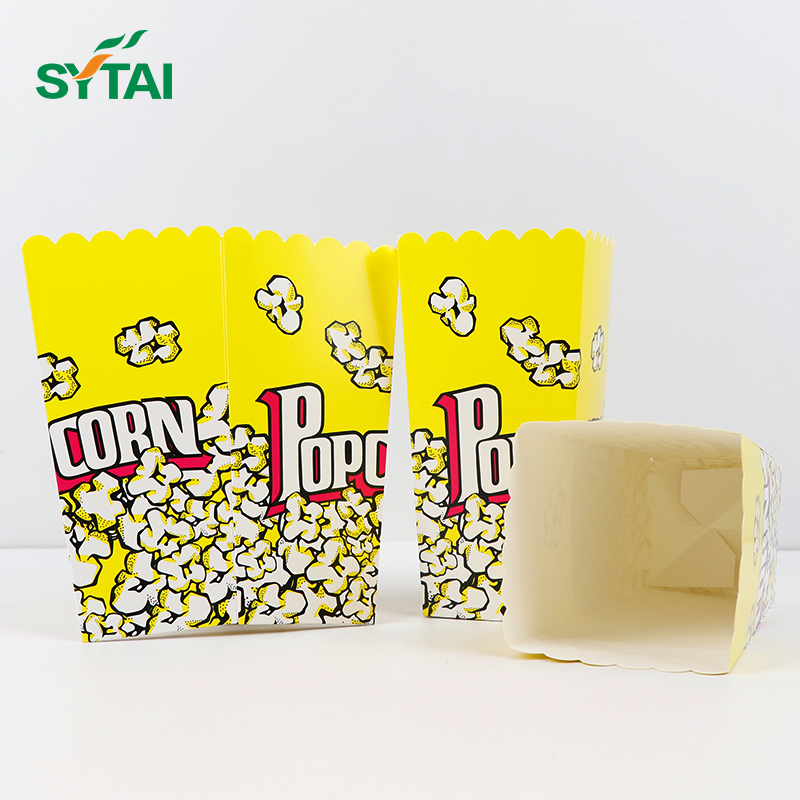
Industry News - September 28, 2026
Custom Popcorn Buckets: A Guide to Choosing Packaging
From materials, dimensions, and printing to supplier selection, we help you fully clarify the procurement process for custom popcorn buckets.