


123123123
 123123123


Disposable Rectangular Paper Bowls: Materials, Uses, and Solutions
2026-07-28
123123123
Disposable Rectangular Paper Bowls: An Innovative Choice for Modern Food Packaging
The global market for paper-based tableware is experiencing significant growth. Industry data indicates that the global market for disposable pulp-based tableware was valued at approximately US$10.41 billion in 2024 and is projected to reach US$14.8 billion by 2032, growing at a compound annual growth rate (CAGR) of 4.50%. This expansion is driven by rising consumer demand for sustainable packaging solutions and the accelerating global trend of replacing plastic with paper. Amidst this shift, disposable rectangular paper bowls are emerging as a favorite in the foodservice industry, thanks to their unique design advantages and eco-friendly attributes.
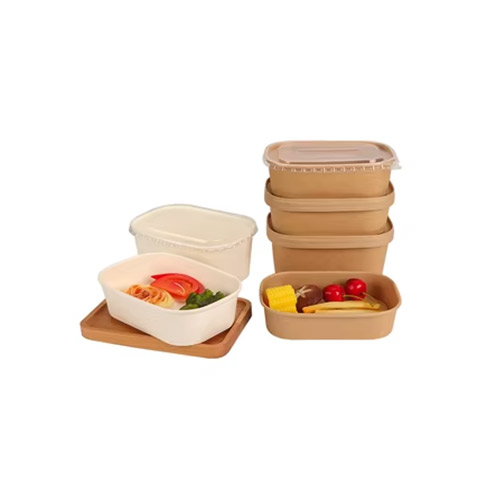
Compared to traditional round paper bowls, the flat-bottomed design of rectangle bowls offers superior stability, effectively preventing food spills. Their uniform geometric shape allows for highly efficient stacking and storage, significantly optimizing kitchen and warehouse space.
For restaurants, food delivery platforms, food trucks, and chain brands, opting for rectangular bowls not only maximizes space utilization but also projects a modern, neat, and professional brand image.
For restaurants, food delivery platforms, food trucks, and chain brands, opting for rectangular bowls not only maximizes space utilization but also projects a modern, neat, and professional brand image.
How do you choose the right paper bowl for your business?
The performance of disposable rectangular paper bowls hinges primarily on their material composition and coating technology. Mainstream products on the market typically utilize food-grade kraft paper or paperboard as the base material, enhanced with functional coatings to improve water and grease resistance.
Base Material Selection: Kraft paper is a popular choice for rectangular paper bowls due to its natural brown appearance, high strength, and texture that lends itself well to branding. Food-grade white paperboard is suitable for applications where a minimalist, clean aesthetic is desired.
Base Material Selection: Kraft paper is a popular choice for rectangular paper bowls due to its natural brown appearance, high strength, and texture that lends itself well to branding. Food-grade white paperboard is suitable for applications where a minimalist, clean aesthetic is desired.
Coating technology—this is the most critical decision point when choosing a rectangular bowl with lid:
- PE (Polyethylene) Coating: The most traditional and cost-effective waterproofing material, effectively blocking moisture and grease. It is suitable for hot foods—such as noodle soups and stir-fries—and oily dishes. However, PE-coated bowls require the separation of paper and plastic during recycling and are not fully biodegradable.
- PLA (Polylactic Acid) Coating: A biomass-based, biodegradable material that decomposes under specific industrial composting conditions. PLA-coated paper bowls are an ideal choice for brands seeking a sustainable image and align with increasingly strict environmental regulations in European and North American markets. Note that the heat resistance of PLA coating is slightly lower than that of PE.
- Water-based Coating: A completely plastic-free, eco-friendly option suitable for applications with the highest standards for biodegradability.
In addition, an increasing number of manufacturers are offering PFAS-free paper bowls to meet consumers' heightened focus on food safety.
Versatile Uses: Diverse Application Scenarios for Rectangular Paper Bowls
The application of rectangular paper bowls extends far beyond traditional salad bowls. Their versatility makes them an ideal packaging choice for a wide range of foodservice scenarios:
- Takeout and Delivery: Rectngular bowls with lids prevent spills during transport and help maintain food freshness.
- Dine-in Service: The modern, minimalist rectangular design elevates food presentation, making them suitable for salads, rice dishes, noodles, and more.
- Catering and Banquets: Their efficient stackability facilitates large-scale meal preparation and transport.
- Meal Prep: Their uniform shape allows for neat stacking in the refrigerator, making them a favorite among health-focused food brands.
- Supermarket Ready-to-Eat Sections: An ideal container for pre-packaged salads, fruit, and deli items.
Solution: One-Stop Paper Bowl Purchasing Guide
- Certification and Compliance: Ensure products hold certifications for food-contact safety (such as FDA) and compostability (such as BPI). EPR compliance for the EU market is also a key consideration.
- Customization Capabilities: Branded printing (flexographic or offset) is a vital tool for enhancing brand visibility. OEM/ODM services enable businesses to customize dimensions, materials, and designs to meet their specific needs.
- Comprehensive Solutions: A robust product line of rectangular bowls with lids should offer a variety of lid options—such as PP, PET, and paper lids—to accommodate different food types and temperature requirements.
Amid the global shift toward paper-based packaging and increasingly stringent environmental regulations, rectangular paper bowls are emerging as a key innovation in the food packaging industry, thanks to their stability, space efficiency, and sustainability.
Whether for chain restaurant brands, independent eateries, or food delivery platforms, selecting the right rectangular disposable paper bowl solution enhances operational efficiency while meeting consumer expectations for eco-friendly packaging.
Whether for chain restaurant brands, independent eateries, or food delivery platforms, selecting the right rectangular disposable paper bowl solution enhances operational efficiency while meeting consumer expectations for eco-friendly packaging.
Industry News - October 06, 2026
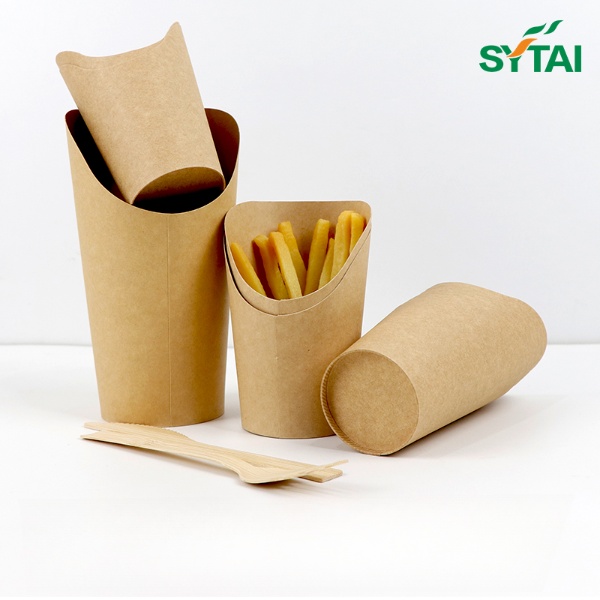
How to Choose a Takeaway Noodle Box
A comprehensive guide to materials, sizes, and purchasing—covering everything from material types and dimensions to custom printing and supplier evaluation.
Industry News - September 28, 2026
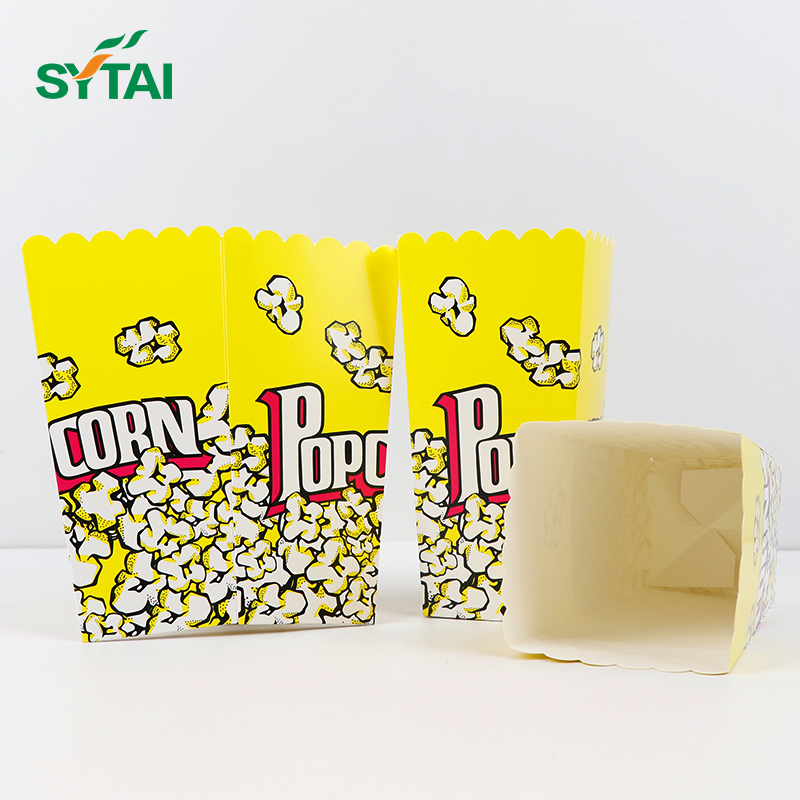
Custom Popcorn Buckets: A Guide to Choosing Packaging
From materials, dimensions, and printing to supplier selection, we help you fully clarify the procurement process for custom popcorn buckets.

Industry News - September 24, 2026
Analysis of China's Paper Tableware Export Share in 2026
An in-depth look at China's paper tableware export share in 2026, including an analysis of export destinations and industry development trends.