


123123123
 123123123
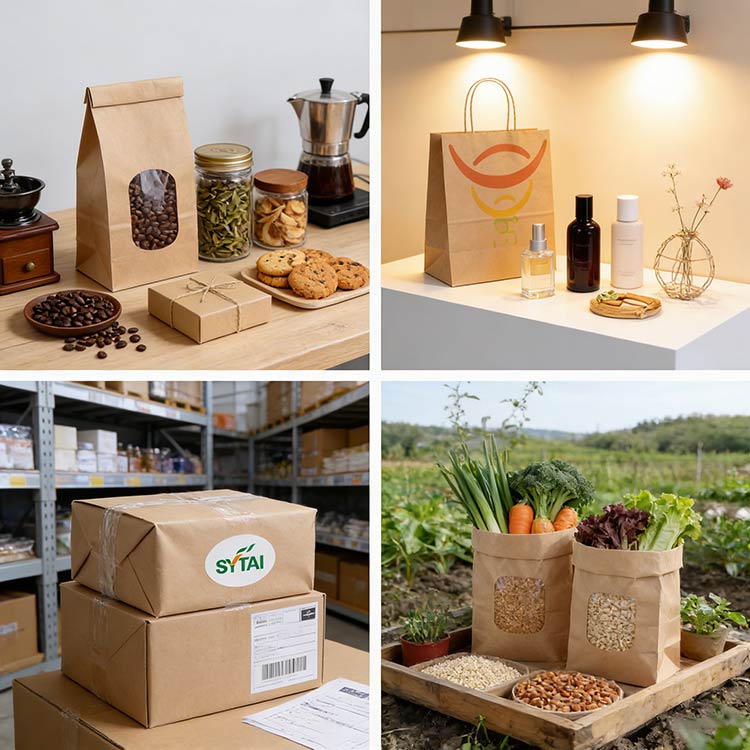


Paper Gift Bags: Key Features and Buying Guide
2026-07-18
123123123
Why are gift paper bags becoming a focal point for B2B procurement in 2026?
The global gift packaging market is undergoing a profound transformation. Industry reports indicate that the market is projected to grow from $29.6 billion in 2024 to $47.6 billion by 2034, representing a compound annual growth rate (CAGR) of approximately 4.9%.
Meanwhile, the reusable packaging market reached approximately $41.3 billion in 2025 and is expected to grow to $58.7 billion by 2029, driven by a robust CAGR of 9.2%.
Meanwhile, the reusable packaging market reached approximately $41.3 billion in 2025 and is expected to grow to $58.7 billion by 2029, driven by a robust CAGR of 9.2%.
Amidst this growth, paper gift bags are shifting from an "optional choice" to a "must-have." Among U.S. consumers aged 25 to 44, 72% state that they "definitely or probably" would reuse a gift bag if it featured sturdy handles and an attractive design.
Concurrently, the revised EU Packaging and Packaging Waste Regulation mandates that, by 2027, all packaging labeled as "reusable" must meet standards allowing for at least 10 cycles of reuse.
Concurrently, the revised EU Packaging and Packaging Waste Regulation mandates that, by 2027, all packaging labeled as "reusable" must meet standards allowing for at least 10 cycles of reuse.
Key Characteristics of Gift Paper Bags: A Comprehensive Analysis from Materials to Craftsmanship
1 Material Selection: Why Has Kraft Paper Become the Mainstream Choice?
The material of a gift paper bag directly determines its durability, appearance, and eco-friendliness. Common materials on the market include:
The material of a gift paper bag directly determines its durability, appearance, and eco-friendliness. Common materials on the market include:
Kraft paper is highly favored for its exceptional durability and rustic, natural aesthetic. Produced via a chemical process that preserves natural fibers, it offers high strength and tear resistance. Kraft gift bags typically utilize 120–180 GSM paper, striking a balance between durability and environmental compliance. Many manufacturers offer FSC-certified or recycled options, meeting sustainability standards in EU and North American markets.
Additionally, matte paper offers a refined look suitable for high-end occasions like weddings and anniversaries; glossy paper enhances the visual impact of colors and patterns, making it ideal for promotional events; and recycled paper reflects a commitment to the circular economy.
2 Paper Weight (GSM): A Key Factor Influencing Load-Bearing Capacity and Texture
Paper weight is measured in grams per square meter (GSM) and directly determines the bag's thickness and sturdiness. Industry recommendations suggest that 190–250 GSM offers optimal durability, while 250–300 GSM specialty paper or heavy-duty white cardstock has become the mainstream standard for 2026. Paper bags with handles generally require higher GSM to withstand the tension exerted on the handles.
Paper weight is measured in grams per square meter (GSM) and directly determines the bag's thickness and sturdiness. Industry recommendations suggest that 190–250 GSM offers optimal durability, while 250–300 GSM specialty paper or heavy-duty white cardstock has become the mainstream standard for 2026. Paper bags with handles generally require higher GSM to withstand the tension exerted on the handles.
80–120 GSM: Lightweight; suitable for small gifts and light merchandise; highly flexible.
120–180 GSM: Medium weight; suitable for retail and everyday gift packaging.
190–250+ GSM: Heavy-duty; suitable for heavier items such as books, wine bottles, and gourmet foods.
3 Handle Types: A Blend of Functionality and Brand Experience
Handles are a crucial component of paper gift bags, directly influencing both the user experience and load-bearing capacity. Common handle types include:
Handles are a crucial component of paper gift bags, directly influencing both the user experience and load-bearing capacity. Common handle types include:
Twisted paper handles: The classic choice; comfortable and eco-friendly, typically found on "standard gift bags."
Flat paper handles: Sturdier and suitable for heavier items.
Ribbon handles: Add a touch of luxury; ideal for high-end gift packaging.
Cotton rope handles: Soft and comfortable, offering a blend of durability and aesthetic appeal.
Die-cut handles: Cut directly into the bag body; a simple and cost-effective option.
4 Customization Options: From Logo Printing to Surface Finishing
For B2B buyers, custom paper gift bags serve as a vital medium for brand communication. Leading suppliers offer comprehensive customization services:
For B2B buyers, custom paper gift bags serve as a vital medium for brand communication. Leading suppliers offer comprehensive customization services:
Printing techniques: Full-color CMYK printing, gold/silver hot stamping, debossing, and spot UV coating.
Surface finishes: Matte or glossy lamination, embossing, and debossing.
Structural innovations: Die-cut windows, collapsible designs, and magnetic closures.
Complementary services: Custom tissue paper, gift tags, etc.
Gift Paper Bag Purchasing Guide: A Must-Read for Buyers
Self-Assessment Before Purchasing: Clarify Needs for Precise Product Selection
Many buyers ask about price right away, but this puts the cart before the horse.
The correct procurement process should be:
Many buyers ask about price right away, but this puts the cart before the horse.
The correct procurement process should be:
Step 1: Clarify the usage scenario
1. Retail → Focus on print quality and brand image.
2. Food service → Focus on grease resistance and food safety compliance.
3. Gifts/High-end products → Focus on visual impact and texture/feel.
4. Delivery/Logistics → Focus on bottom stability and stackability.
Step 2: Evaluate product characteristics
1. List the heaviest items the bag needs to carry
2. Measure the product's length, width, and height
3. Note whether product edges are sharp, hard, or fragile
4. Confirm whether the contents are single items or a mix of items
Step 3: Decide between brand priority and functional priority
If the goal is low-cost daily transport, plain or lightly printed kraft paper bags may suffice; if the goal is to enhance brand recall and gift value, custom paper gift bags make more sense.
If the goal is low-cost daily transport, plain or lightly printed kraft paper bags may suffice; if the goal is to enhance brand recall and gift value, custom paper gift bags make more sense.
FAQs About Paper Packaging Bags
Q1: What is the difference between kraft gift bags and standard paper bags?
Kraft paper is produced using a chemical pulping process that preserves natural long fibers, resulting in superior strength and tear resistance. Standard paper bags may use short-fiber pulp, offering relatively lower load-bearing capacity and durability.
Kraft paper is produced using a chemical pulping process that preserves natural long fibers, resulting in superior strength and tear resistance. Standard paper bags may use short-fiber pulp, offering relatively lower load-bearing capacity and durability.
Q2: How can I assess the quality of paper bags with handles?
Check three key factors: ① whether the paper GSM (weight) is suitable for the intended load; ② the reinforcement at the handle-to-bag attachment points; and ③ the strength of the bottom seal and the quality of the side-fold construction.
Check three key factors: ① whether the paper GSM (weight) is suitable for the intended load; ② the reinforcement at the handle-to-bag attachment points; and ③ the strength of the bottom seal and the quality of the side-fold construction.
Q3: How long does it usually take to produce custom paper gift bags?
Standard lead times typically range from 15 to 30 days, depending on order volume and the complexity of the customization.
Standard lead times typically range from 15 to 30 days, depending on order volume and the complexity of the customization.
Q5: Are paper gift bags recyclable?
The vast majority of kraft paper gift bags are made from 100% recyclable and biodegradable materials. However, please note that bags featuring plastic lamination or mixed materials may affect recyclability.
The vast majority of kraft paper gift bags are made from 100% recyclable and biodegradable materials. However, please note that bags featuring plastic lamination or mixed materials may affect recyclability.
If your brand is looking for the right wholesale supplier of paper gift bags, please feel free to share your procurement needs, target markets, or specific questions in the comments section—our team of packaging experts is ready to provide you with personalized, professional advice.
From material selection and customization options to MOQ optimization and logistics arrangements, let us help you make smarter purchasing decisions.
From material selection and customization options to MOQ optimization and logistics arrangements, let us help you make smarter purchasing decisions.
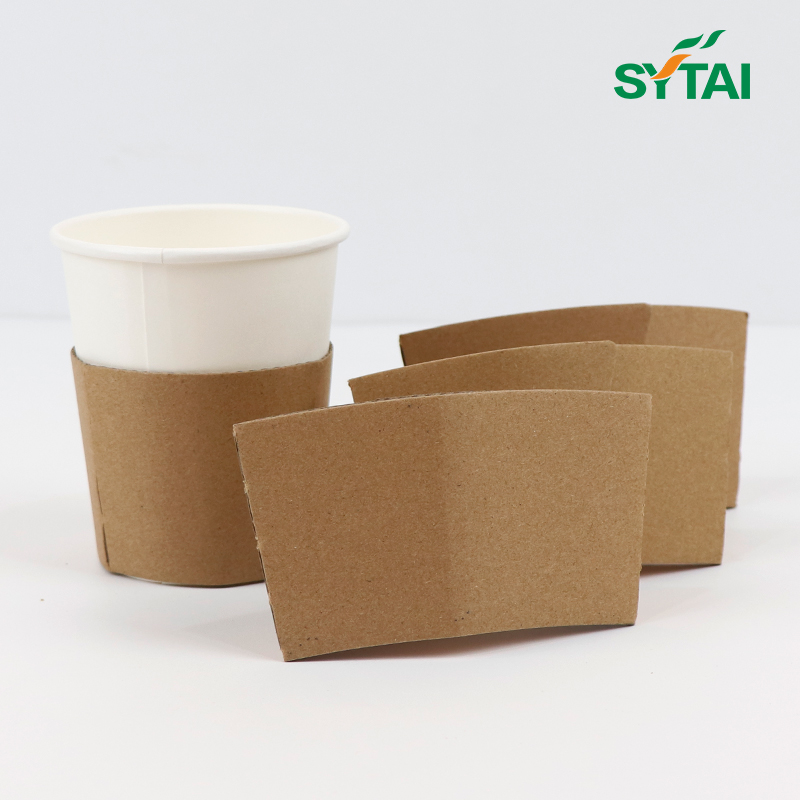
Industry News - October 13, 2026
What is a paper cup sleeve? What is a cup sleeve used for?
What is a paper cup sleeve? A B2B purchasing guide covering materials, selection, and usage scenarios.We invite interested buyers to explore our latest product information; we are confident we can provide you with the best solutions.
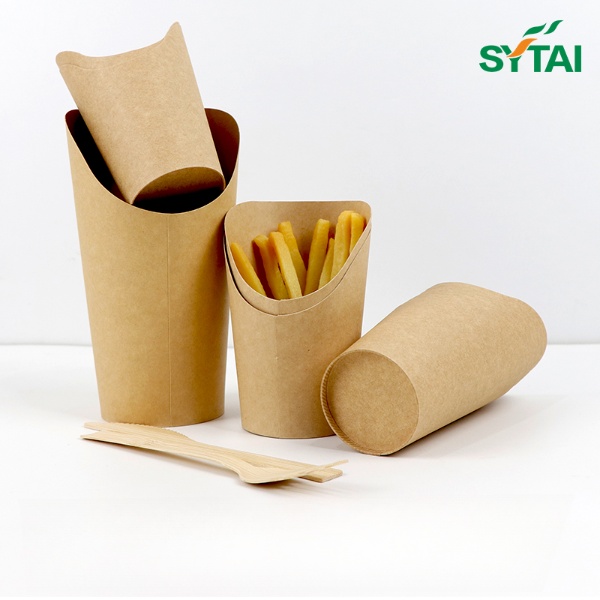
Industry News - October 06, 2026
How to Choose a Takeaway Noodle Box
A comprehensive guide to materials, sizes, and purchasing—covering everything from material types and dimensions to custom printing and supplier evaluation.
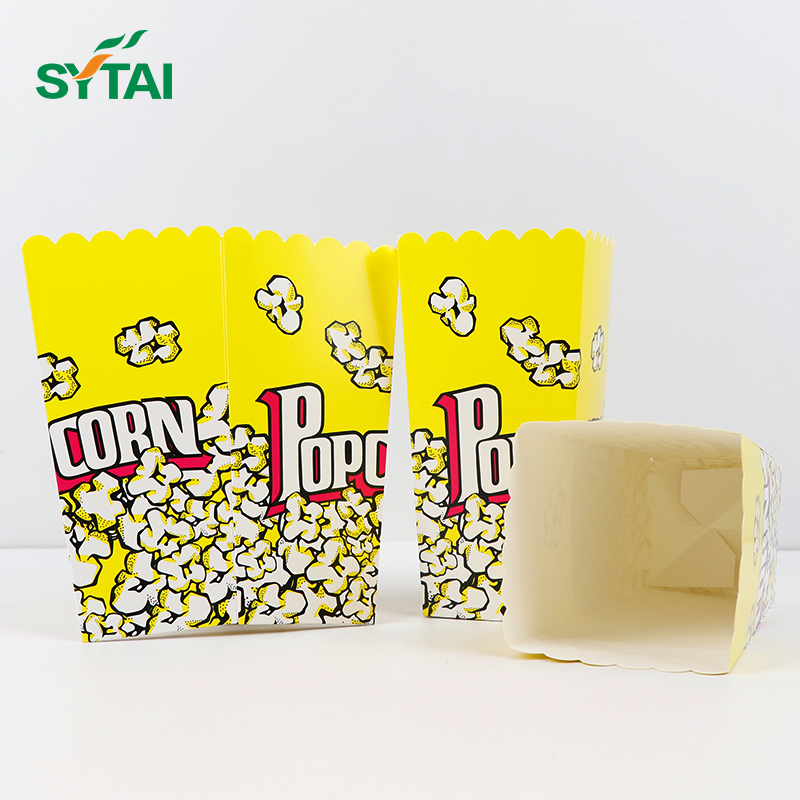
Industry News - September 28, 2026
Custom Popcorn Buckets: A Guide to Choosing Packaging
From materials, dimensions, and printing to supplier selection, we help you fully clarify the procurement process for custom popcorn buckets.