


123123123
 123123123


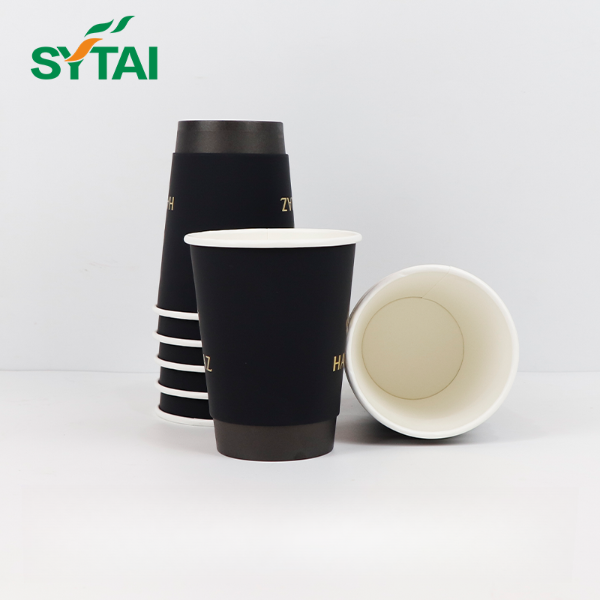
How to Select Double Wall Paper Cup?
2026-09-10
123123123
You are making procurement decisions for your stores' supplies for the upcoming quarter.
The single-wall cup plus sleeve configuration adds 12 to 15 seconds of preparation time per cup—a delay that can become an operational bottleneck during peak hours. In contrast, double-wall paper cups eliminate the need for sleeves entirely, simplify inventory management, and convey a more premium brand image.
The single-wall cup plus sleeve configuration adds 12 to 15 seconds of preparation time per cup—a delay that can become an operational bottleneck during peak hours. In contrast, double-wall paper cups eliminate the need for sleeves entirely, simplify inventory management, and convey a more premium brand image.
This article is designed for procurement heads at restaurant chains, supply chain managers at coffee brands, and food packaging distributors; it provides a systematic breakdown of the selection logic and key pitfalls to avoid when choosing double-wall paper cups.
Why Double-Walled Paper Cups Are Worth the Extra Cost
The key feature of a double-walled paper cup is not simply the "extra layer of paper," but the 2-to-4-millimeter air gap maintained between the two layers of paperboard. Since air is a poor conductor of heat, this gap alters the heat transfer path from "paper-to-hand" to "paper-to-air-to-paper-to-hand," significantly slowing the rate at which the outer wall heats up.
Empirical data illustrates the difference: when filled with 90°C water, the outer wall of a single-walled cup rises to 68°C within two minutes—making it too hot to hold comfortably—whereas the outer wall of a double-walled cup peaks at around 52°C and heats up more gradually. For a "commuter coffee" that a customer needs to hold for three to five minutes, this distinction is a deciding factor in the overall experience.
Cost calculations also require a fresh perspective. While the unit price of a double-walled cup is typically 60% to 80% higher than that of a single-walled version, the true cost of the single-walled option is the sum of the cup and the sleeve. Sleeves require separate procurement, storage, and staff training, and stockouts during peak seasons can disrupt operations. When the cost of sleeves is combined with the associated labor overhead, the total cost of ownership for double-walled cups often proves more advantageous.
Empirical data illustrates the difference: when filled with 90°C water, the outer wall of a single-walled cup rises to 68°C within two minutes—making it too hot to hold comfortably—whereas the outer wall of a double-walled cup peaks at around 52°C and heats up more gradually. For a "commuter coffee" that a customer needs to hold for three to five minutes, this distinction is a deciding factor in the overall experience.
Cost calculations also require a fresh perspective. While the unit price of a double-walled cup is typically 60% to 80% higher than that of a single-walled version, the true cost of the single-walled option is the sum of the cup and the sleeve. Sleeves require separate procurement, storage, and staff training, and stockouts during peak seasons can disrupt operations. When the cost of sleeves is combined with the associated labor overhead, the total cost of ownership for double-walled cups often proves more advantageous.
Material Specifications: GSM, coating, and cup wall grammage
When sourcing double-wall hot cups, paper grammage (GSM) and coating type are the specifications most often obscured or vaguely defined.
Regarding paper grammage, high-quality double-wall cups should utilize food-grade virgin wood pulp paper with a density of at least 230 GSM for the inner wall, while the outer wall is ideally between 200 and 250 GSM. Some suppliers cut costs by using recycled fibers or lower grammage paper; however, recycled paper carries risks of delamination and leakage when exposed to high-temperature liquids, making the use of virgin pulp for the inner wall essential.
The choice of coating directly impacts three key areas: heat resistance, recyclability, and regulatory compliance. PE (polyethylene) coating is the industry standard, offering stable sealing and heat resistance (withstanding temperatures of approximately 90–95°C). However, because PE bonds tightly with paper fibers, standard paper mill equipment struggles to separate them, resulting in vast quantities of PE-coated cups ending up in landfills.
PLA (polylactic acid) coating is derived from plant starch and is compostable under commercial conditions; however, standard PLA has a low heat-resistance threshold, requiring special modification for use with hot beverages.
A pragmatic approach to B2B procurement is to first clarify the beverage type, serving temperature, and target market before selecting a coating solution. For the EU market, where regulations regarding packaging recyclability (such as the PPWR) are becoming increasingly stringent, water-based coatings or certified PLA solutions offer greater flexibility regarding compliance.
Environmental Compliance: From "Recyclability Labels" to "Verifiable Data"
In terms of industry trends, double-wall paper cups have captured a 47.10% share of the global market by 2025 and have become the standard choice for coffee chains.
This structural shift is driven not merely by environmental narratives, but by the combined benefits of improved operational efficiency—thanks to superior thermal insulation—and the potential for higher brand premiums. Procurement logic is shifting from a focus on the unit price per cup to the total cost of a beverage from preparation to delivery into the customer's hands.
This structural shift is driven not merely by environmental narratives, but by the combined benefits of improved operational efficiency—thanks to superior thermal insulation—and the potential for higher brand premiums. Procurement logic is shifting from a focus on the unit price per cup to the total cost of a beverage from preparation to delivery into the customer's hands.
What is your biggest challenge when sourcing double-wall paper cups? Is it batch-to-batch inconsistency in GSM, or issues aligning eco-friendly coating certifications with local regulations?
Feel free to leave your questions in the comments section; Sytai will compile a supplier audit checklist based on the most frequently raised issues.
Feel free to leave your questions in the comments section; Sytai will compile a supplier audit checklist based on the most frequently raised issues.
Industry News - October 21, 2026
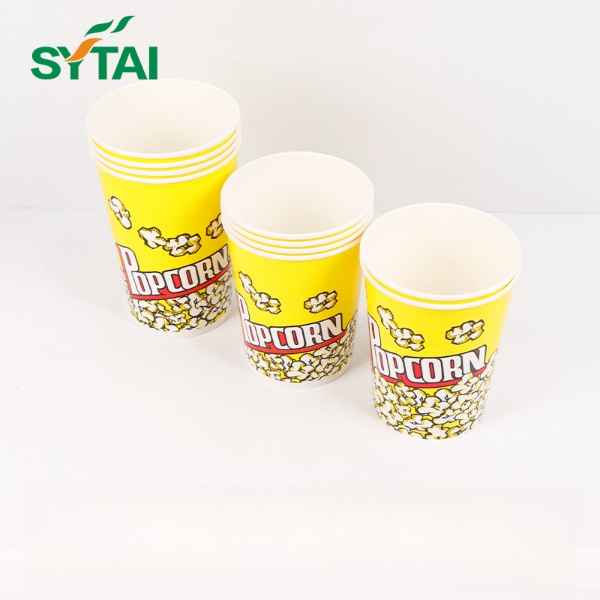
Paper Popcorn Buckets 2026: PFAS, 85 oz & Cost per Serve
A paper popcorn bucket is decided by board grade, coating chemistry and cost per serve, not by the word eco-friendly. 2026 guide: PFAS rules, custom print, 85 oz specs and export freight.

Industry News - October 19, 2026
Fast Food Paper Bag Guide: Packaging Solutions
Choosing take out paper bags? Compare kraft, PE-coated and compostable options, sizing and food-safety checks in Sytai's buyer guide.
Industry News - October 13, 2026
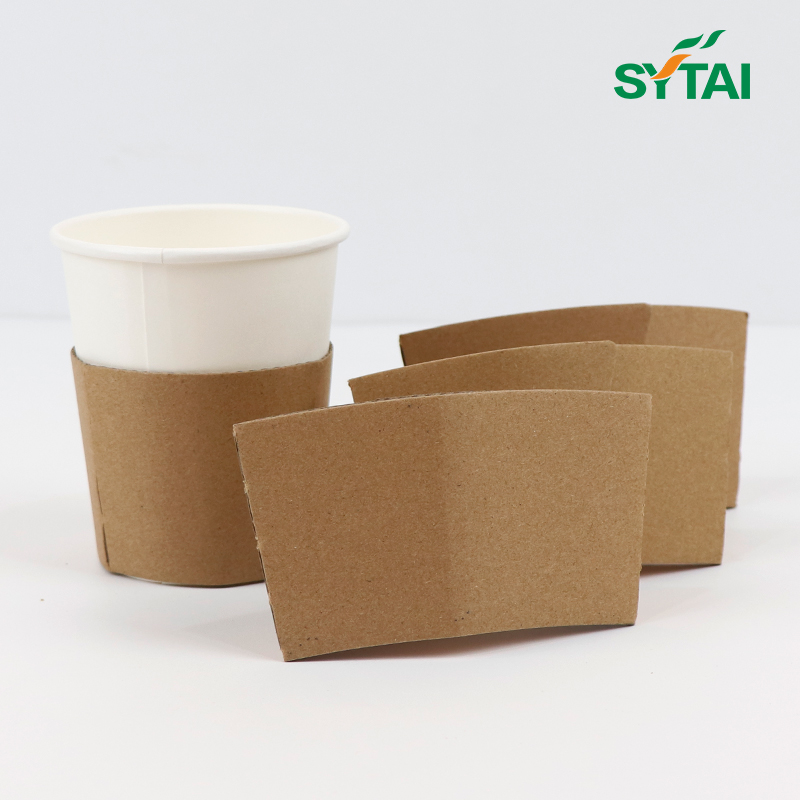
What is a paper cup sleeve? What is a cup sleeve used for?
What is a paper cup sleeve? A B2B purchasing guide covering materials, selection, and usage scenarios.We invite interested buyers to explore our latest product information; we are confident we can provide you with the best solutions.