


123123123
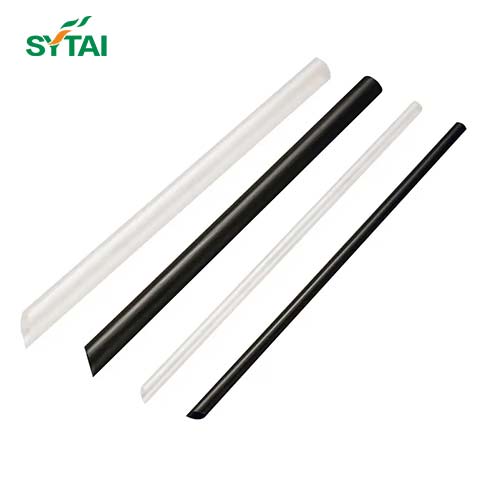 123123123
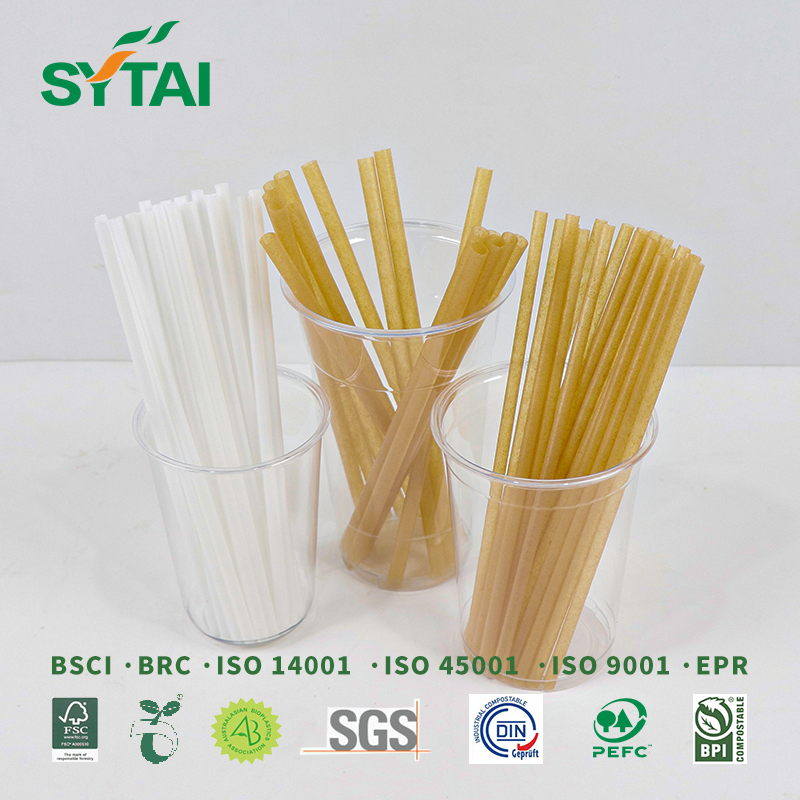
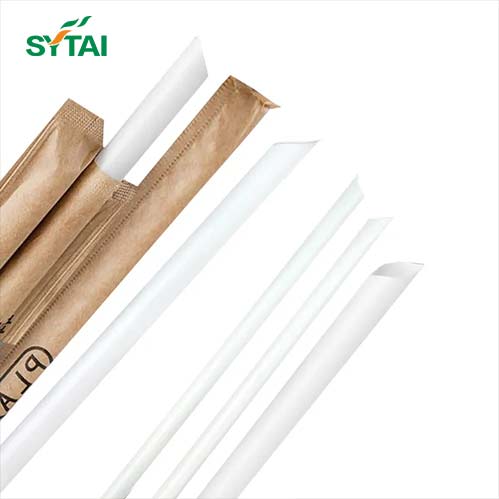
What Is A PLA Straw?What Are PLA Straws Made Of?
2026-07-08
123123123
As global restrictions on plastics continue to tighten, PLA straws are rapidly becoming the preferred alternative to traditional plastic straws in the food service industry.
So, what is a PLA straw? Simply put, a PLA straw is an eco-friendly, disposable straw made from polylactic acid (PLA).
What are PLA straws made of? The raw materials for PLA straws are primarily derived from renewable plant resources—natural crops such as corn starch, sugarcane, and cassava. These plant starches undergo processes such as fermentation and polymerization to be converted into PLA resin, which is then shaped into straws through extrusion molding.
So, what is a PLA straw? Simply put, a PLA straw is an eco-friendly, disposable straw made from polylactic acid (PLA).
What are PLA straws made of? The raw materials for PLA straws are primarily derived from renewable plant resources—natural crops such as corn starch, sugarcane, and cassava. These plant starches undergo processes such as fermentation and polymerization to be converted into PLA resin, which is then shaped into straws through extrusion molding.
What Are PLA Straws? — A Comprehensive Overview from Raw Material to Finished Product
PLA straws—short for Polylactic Acid straws—are eco-friendly, disposable drinking straws made from bio-based, biodegradable materials. Amidst the global wave of bans on conventional plastics, PLA straws are increasingly replacing traditional polypropylene (PP) plastic straws, becoming the preferred choice for coffee shops, bubble tea stores, restaurants, hotels, and other food service establishments.
Unlike petroleum-based plastic straws, PLA straws are biodegradable; after use, they can return to nature under specific conditions without causing long-term environmental pollution. The global market for PLA straws reached approximately $1.2 billion in 2025 and is projected to grow to $2.245 billion by 2032, reflecting a compound annual growth rate (CAGR) of 9.2%. This growth trend clearly demonstrates the strong market demand for compostable PLA straws.
Unlike petroleum-based plastic straws, PLA straws are biodegradable; after use, they can return to nature under specific conditions without causing long-term environmental pollution. The global market for PLA straws reached approximately $1.2 billion in 2025 and is projected to grow to $2.245 billion by 2032, reflecting a compound annual growth rate (CAGR) of 9.2%. This growth trend clearly demonstrates the strong market demand for compostable PLA straws.
What Are PLA Straws Made Of?
Understanding the material composition of PLA straws is key to grasping their environmental value.
The primary raw material for PLA straws is polylactic acid (PLA), a bio-based polymer derived from renewable plant resources. Specifically:
The primary raw material for PLA straws is polylactic acid (PLA), a bio-based polymer derived from renewable plant resources. Specifically:
First, raw material sources—PLA is primarily made from natural crops such as corn starch, sugarcane, and cassava. These plants absorb carbon dioxide through photosynthesis; lactic acid monomers are extracted via fermentation, and PLA resin is subsequently formed through polymerization. Some manufacturers are also exploring the use of non-food raw materials—such as reeds and crop stalks—to further reduce reliance on food-grade resources.
Second, production formulation—High-quality compostable PLA straws typically consist mainly of PLA (accounting for 94%–96% of the composition), supplemented by additives such as PEO and toughening agents to optimize performance. Some products also incorporate biodegradable polymers like PBAT to enhance flexibility and durability.
Third, manufacturing process—PLA straws are produced using an extrusion process: PLA pellets are heated and melted, then extruded through a die to form a tubular shape; the tube is subsequently cooled and set in a water bath before being automatically cut to the specified length. While the overall production process mirrors that of traditional plastic straws, the change in raw materials transforms the product from "non-degradable" to "biodegradable."
Environmental Advantages and Usage Limitations of PLA Straws
Environmental Advantages
The core value of compostable PLA straws lies in their ability to biodegrade through composting. Under industrial composting conditions (temperatures around 58°C and appropriate humidity), they can fully decompose into carbon dioxide, water, and organic biomass within 180 days.
Furthermore, these PLA straws have obtained several authoritative international certifications, including BPI (Biodegradable Products Institute) certification, compliance with the ASTM D6400 compostability standard, and FDA certification for food-contact safety. These certifications provide B2B buyers with reliable quality assurance, ensuring the products can successfully clear customs and meet market regulatory requirements in various countries.
Usage Limitations
It is important to note that PLA straws are currently primarily suitable for cold beverages. Standard PLA straws have a heat resistance range of approximately 50°C to 80°C; however, they begin to soften and deform at temperatures exceeding 60°C.
Consequently, PLA straws are best suited for cold drinks such as iced coffee, milk tea, fruit juice, cocktails, and milkshakes. For hot beverage applications, it is recommended to choose heat-resistant PLA formulations or alternative options such as paper straws.
Consequently, PLA straws are best suited for cold drinks such as iced coffee, milk tea, fruit juice, cocktails, and milkshakes. For hot beverage applications, it is recommended to choose heat-resistant PLA formulations or alternative options such as paper straws.
Application Scenarios for PLA Straws
Compostable PLA straws are suitable for a wide range of applications, covering virtually all needs for cold beverage straws:
Coffee chains and specialty coffee shops—iced Americanos, cold brew, iced lattes, etc.
Milk tea and fruit tea brands—bubble tea, fruit-infused teas, etc.
Restaurants and hotel dining—post-meal cold drinks, bar service.
Bars and parties—cocktails, mixed drinks.
Aviation and railway catering—in-flight and on-board beverage service.
Schools and healthcare institutions—student meals, patient beverages.
Coffee chains and specialty coffee shops—iced Americanos, cold brew, iced lattes, etc.
Milk tea and fruit tea brands—bubble tea, fruit-infused teas, etc.
Restaurants and hotel dining—post-meal cold drinks, bar service.
Bars and parties—cocktails, mixed drinks.
Aviation and railway catering—in-flight and on-board beverage service.
Schools and healthcare institutions—student meals, patient beverages.
As the world moves toward sustainable development, PLA straws are emerging as a compelling, eco-friendly alternative to traditional plastic straws, offering significant market potential and environmental value. Whether for food and beverage brands seeking compliant green solutions or distributors looking to expand their sustainable product lines, compostable PLA straws represent a choice that balances commercial viability with social responsibility.
Sytai is a professional PLA straw manufacturer dedicated to providing high-quality, compostable PLA straws to B2B clients worldwide. We offer OEM/ODM customization services and invite global restaurant chains, packaging distributors, and hospitality suppliers to contact us for inquiries and collaboration.
📧 Please leave a message or send us a direct message to request our product catalog and price list—we respond promptly to every inquiry!
Industry News - October 13, 2026
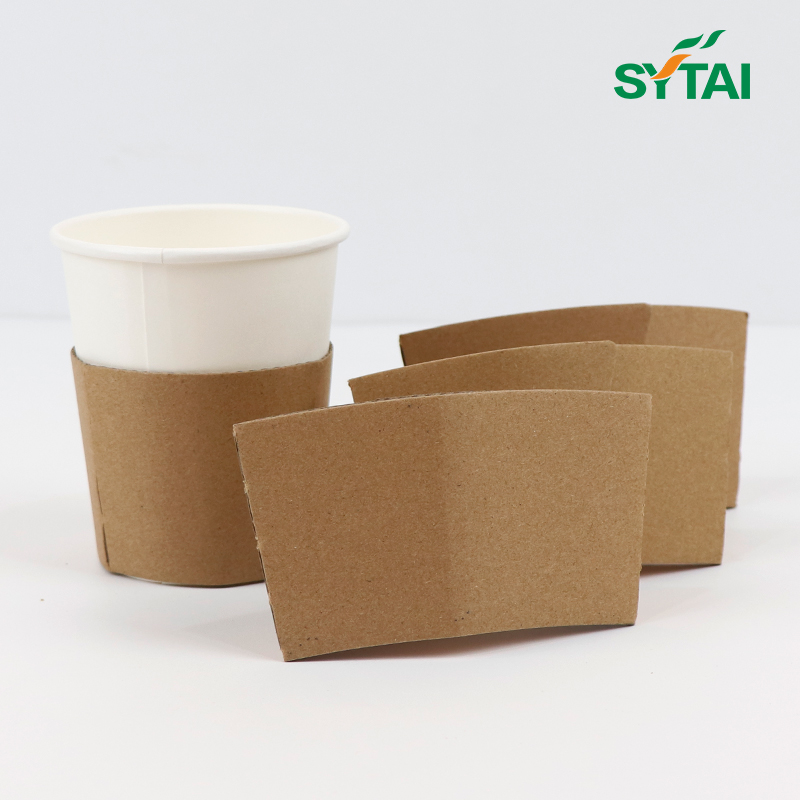
What is a paper cup sleeve? What is a cup sleeve used for?
What is a paper cup sleeve? A B2B purchasing guide covering materials, selection, and usage scenarios.We invite interested buyers to explore our latest product information; we are confident we can provide you with the best solutions.
Industry News - October 06, 2026
How to Choose a Takeaway Noodle Box
A comprehensive guide to materials, sizes, and purchasing—covering everything from material types and dimensions to custom printing and supplier evaluation.
Industry News - September 28, 2026
Custom Popcorn Buckets: A Guide to Choosing Packaging
From materials, dimensions, and printing to supplier selection, we help you fully clarify the procurement process for custom popcorn buckets.