


123123123
 123123123

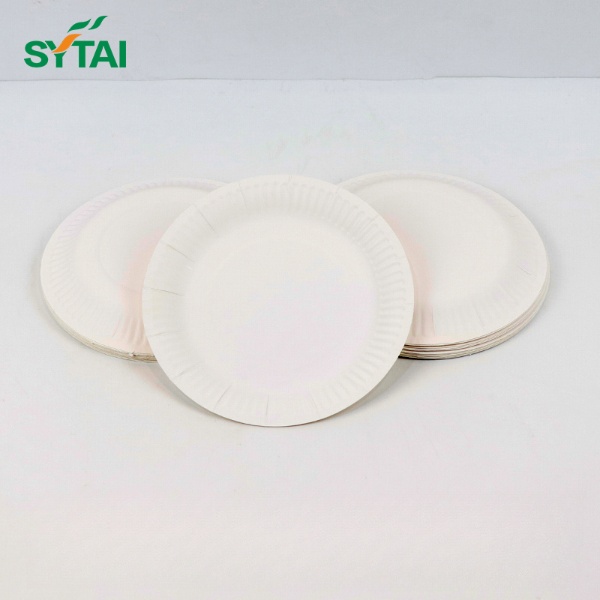
What are paper plates actually made of?
Before delving into the types, let's look at the materials used in paper plates. Most disposable paper plates are primarily made of fiber-based materials, including cardboard, molded pulp, or plant fibers. Common substrates include:
Conventional paperboard: The most common material, economical, and easy to print on.
Bagasse pulp: A byproduct of sugarcane processing, completely biodegradable.
Bamboo fiber: A fast-growing, renewable resource.
Wheat straw fiber: Recycled agricultural waste.
Recycled paper fiber: Environmentally friendly and recyclable.
These materials determine the basic properties of paper plates—strength, cost, appearance, and environmental value vary.
Paper fibers naturally absorb grease and moisture, so many paper plates have a thin barrier coating on the food-contacting surface. The type of coating directly affects the plate's intended use:
Uncoated: Offers no oil or water resistance, suitable for dry foods such as bread, cookies, and cakes. Advantages include low cost and high recyclability.
PE Coating: A polyethylene coating with strong oil and water resistance, but as a traditional plastic coating, it is difficult to recycle and compost.
PLA Coating: A plant-based polymer, an environmentally friendly alternative to PE, offering similar oil and water resistance, but typically requires industrial composting conditions to decompose.
Wax Coating: Provides mild moisture and oil protection, suitable for cold foods and desserts.
Water-Based Barrier Coating: A liquid coating that dries to form a film, reducing the use of traditional plastic films.


What are the different types of paper plates?Purchase Guide
2026-09-03
123123123
Paper plates have come a long way from the flimsy, single-use items of the past. Today's disposable paper plates come in an astonishing variety of materials, sizes, coatings, and designs—making the selection process far more complex than you might expect.
Whether you're running a restaurant, managing a catering operation, or planning a large-scale event, choosing the right paper plates can directly impact your food presentation, customer satisfaction, and even your bottom line.
Whether you're running a restaurant, managing a catering operation, or planning a large-scale event, choosing the right paper plates can directly impact your food presentation, customer satisfaction, and even your bottom line.
This guide breaks down everything you need to know about the different types of paper plates available on the market.
We'll explore the key differences between traditional paperboard plates and molded fiber options made from sugarcane bagasse or bamboo pulp.
We'll explore the key differences between traditional paperboard plates and molded fiber options made from sugarcane bagasse or bamboo pulp.
For B2B buyers, we've included practical sourcing tips—what certifications to look for (FDA, BPI, OK Compost), how to evaluate suppliers, and why ordering samples before committing to bulk purchases can save you from costly mistakes.
Complete Guide to Paper Plate Types: Essential Reading for Food Service Procurement in 2026
What are paper plates actually made of?
Before delving into the types, let's look at the materials used in paper plates. Most disposable paper plates are primarily made of fiber-based materials, including cardboard, molded pulp, or plant fibers. Common substrates include:
Conventional paperboard: The most common material, economical, and easy to print on.
Bagasse pulp: A byproduct of sugarcane processing, completely biodegradable.
Bamboo fiber: A fast-growing, renewable resource.
Wheat straw fiber: Recycled agricultural waste.
Recycled paper fiber: Environmentally friendly and recyclable.
These materials determine the basic properties of paper plates—strength, cost, appearance, and environmental value vary.
Paper plates can be categorized by coating type: Coated vs. Uncoated
Paper fibers naturally absorb grease and moisture, so many paper plates have a thin barrier coating on the food-contacting surface. The type of coating directly affects the plate's intended use:
Uncoated: Offers no oil or water resistance, suitable for dry foods such as bread, cookies, and cakes. Advantages include low cost and high recyclability.
PE Coating: A polyethylene coating with strong oil and water resistance, but as a traditional plastic coating, it is difficult to recycle and compost.
PLA Coating: A plant-based polymer, an environmentally friendly alternative to PE, offering similar oil and water resistance, but typically requires industrial composting conditions to decompose.
Wax Coating: Provides mild moisture and oil protection, suitable for cold foods and desserts.
Water-Based Barrier Coating: A liquid coating that dries to form a film, reducing the use of traditional plastic films.
Classified by size: Choosing the right size will make all the difference
| Size Type | Diameter Range | Best Use Cases |
|---|---|---|
| Dessert Plate | 5–7 inches | Cakes, pastries, appetizers |
| Lunch Plate | 8–9 inches | Light meals, sandwiches, kids' meals |
| Dinner Plate | 10–12 inches | Main courses, entrees, buffet lines |
| Platter / Tray | Rectangular or multi‑compartment | Buffets, cafeterias, picnics |
Classified by shape and design
Besides traditional round paper plates, the market also offers:
Oval: Suitable for buffet plating, giving a more upscale look.
Square: Commonly used for appetizers and finger food.
Compartment/Divided: With 2–5 compartments, different foods are kept separate to prevent flavors from mixing.
Printed/Colored: For parties, available in vibrant colors and elegant prints.
Customized: Can be printed with logos or specific themes, a powerful tool for brand marketing.
Oval: Suitable for buffet plating, giving a more upscale look.
Square: Commonly used for appetizers and finger food.
Compartment/Divided: With 2–5 compartments, different foods are kept separate to prevent flavors from mixing.
Printed/Colored: For parties, available in vibrant colors and elegant prints.
Customized: Can be printed with logos or specific themes, a powerful tool for brand marketing.
Are compostable paper plates a worthwhile investment?
With increasingly stringent global restrictions on plastic products, demand for compostable paper plates and eco-friendly disposable plates is exploding. The global paper plate market is projected to reach nearly $140.46 billion by 2034, with environmentally friendly products being the fastest-growing segment.
If you are looking for eco-friendly disposable plates, pay attention to the following:
Check certifications: BPI certification, OK Compost, ASTM D6400, etc., are hallmarks of reliable compostable products.
Check materials: Bagasse pulp, bamboo fiber, and wheat straw are all renewable and environmentally friendly materials.
Check coatings: PLA or water-based coatings are more environmentally friendly than PE.
Distinguish between "biodegradable" and "compostable": The former does not necessarily decompose quickly in the natural environment, while the latter has clearly defined standards.
Check certifications: BPI certification, OK Compost, ASTM D6400, etc., are hallmarks of reliable compostable products.
Check materials: Bagasse pulp, bamboo fiber, and wheat straw are all renewable and environmentally friendly materials.
Check coatings: PLA or water-based coatings are more environmentally friendly than PE.
Distinguish between "biodegradable" and "compostable": The former does not necessarily decompose quickly in the natural environment, while the latter has clearly defined standards.
Hopefully, this guide will help you clarify your thoughts and select the disposable paper plates that best suit your business needs.
If you have specific purchasing requirements or would like to learn more about the products, feel free to leave a comment below—Sytai will reply as soon as possible!
If you have specific purchasing requirements or would like to learn more about the products, feel free to leave a comment below—Sytai will reply as soon as possible!
Industry News - October 13, 2026
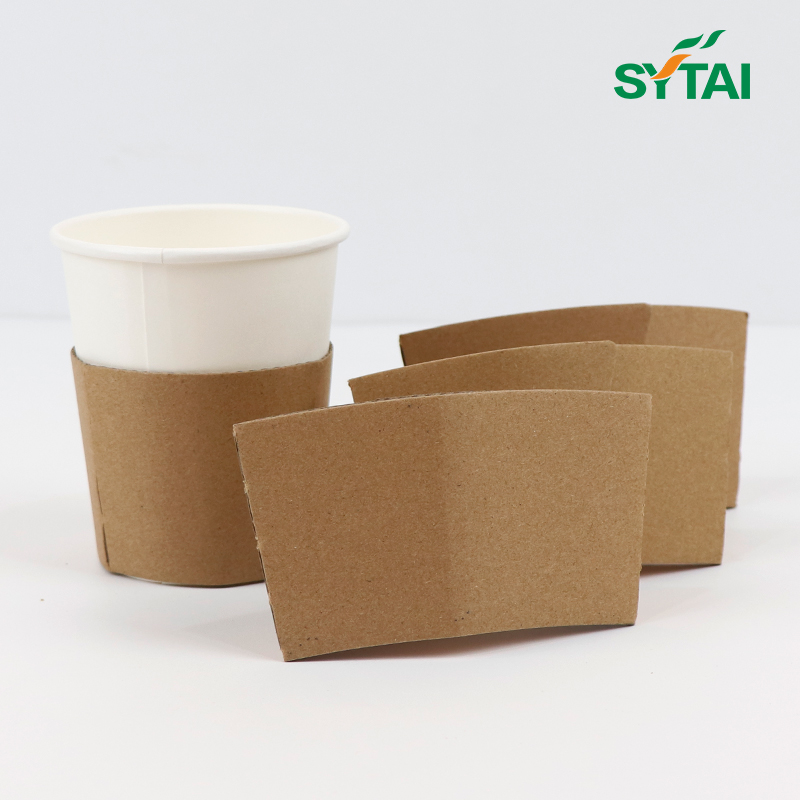
What is a paper cup sleeve? What is a cup sleeve used for?
What is a paper cup sleeve? A B2B purchasing guide covering materials, selection, and usage scenarios.We invite interested buyers to explore our latest product information; we are confident we can provide you with the best solutions.
Industry News - October 06, 2026
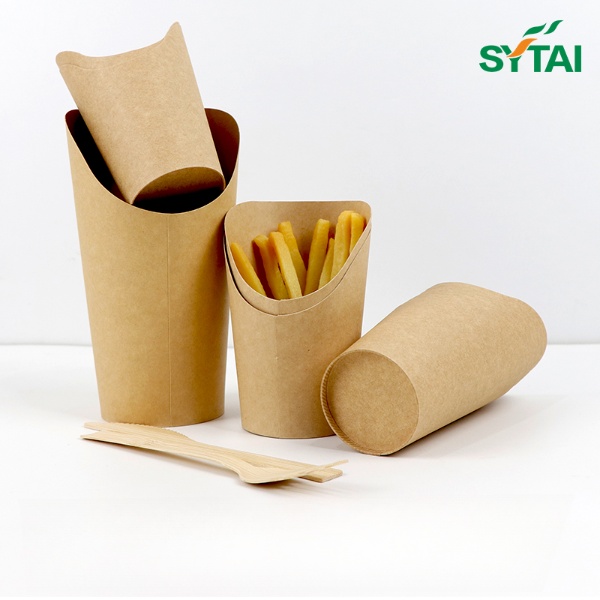
How to Choose a Takeaway Noodle Box
A comprehensive guide to materials, sizes, and purchasing—covering everything from material types and dimensions to custom printing and supplier evaluation.
Industry News - September 28, 2026
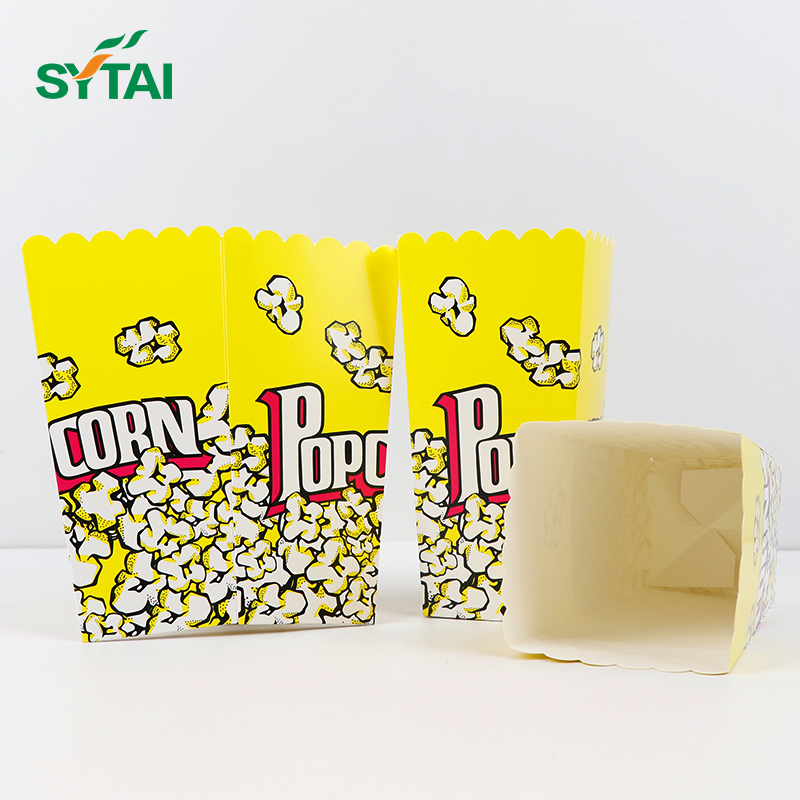
Custom Popcorn Buckets: A Guide to Choosing Packaging
From materials, dimensions, and printing to supplier selection, we help you fully clarify the procurement process for custom popcorn buckets.